
Field Trips That Teach Themselves: 15 Tampa Bay Outings Mapped to What Kids Learn
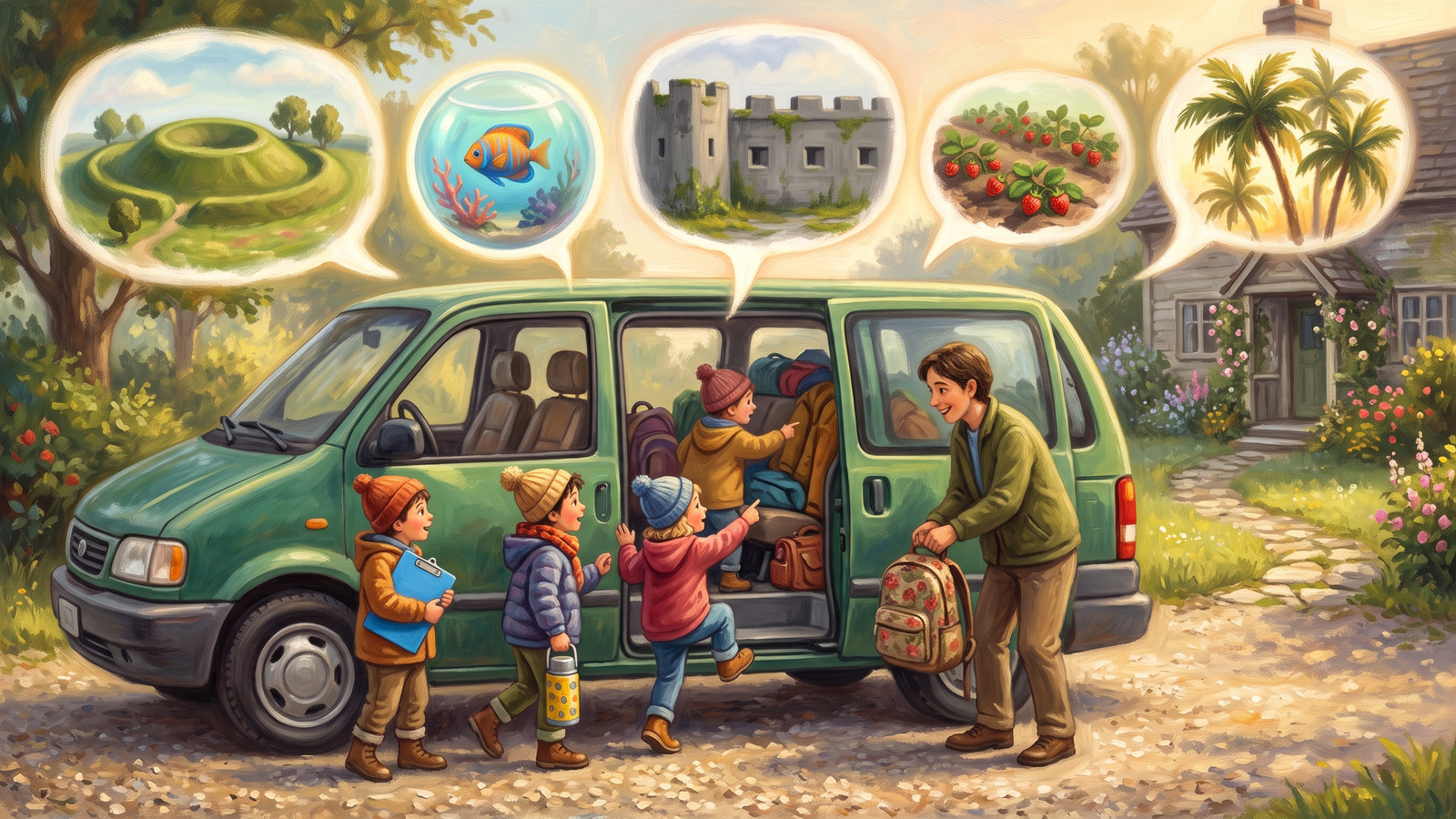
There's a certain kind of parent who reads a museum placard aloud in a teacher voice while their child stares at an exit sign, and this article would like to gently retire that method. The trips don't need the voice. Around this bay, the outings teach themselves: the mound at Philippe Park is a thousand-year history lecture shaped like a hill, the ferry to Caladesi is a math problem with a beach at the end, and the Skyway pier is an economics seminar that smells like squid. What a parent actually has to supply is smaller and easier: one question before, one capture during, one retell after. Here are fifteen outings mapped to what they quietly teach, and the method that makes it stick.
The fifteen, mapped
| The outing | What it quietly teaches | Start here |
|---|---|---|
| Philippe Park mound | Pre-contact civilization, archaeology | The mounds guide |
| Weedon Island preserve | Ecosystems, Tocobaga life, kayak skills | Weedon with kids |
| Ybor City morning | Immigration, industry, civics | Ybor with kids |
| Tampa Bay History Center | 12,000 years, evidence vs legend | The History Center plan |
| Florida Aquarium | Marine biology, conservation careers | The game plan |
| Clearwater Marine Aquarium | Rescue medicine, ethics | CMA with kids |
| The Bishop, Bradenton | Deep time, rehab science | The Bishop guide |
| Egmont Key by boat | Layered history, island ecology | The Egmont field trip |
| Tarpon Springs docks | Greek heritage, working waterfront | Sponge docks with kids |
| TECO manatee viewing | Winter ecology, energy and wildlife | Manatee season |
| Tide pooling a minus tide | Invertebrates, tides, gentle hands | Tide pooling guide |
| A licensed fishing pier | Food webs, patience, economics | Fishing with kids |
| Caladesi ferry day | Schedules, budgets, barrier islands | Caladesi and Honeymoon |
| Fort De Soto batteries | Military history, engineering | The batteries walk |
| A beach cleanup hour | Stewardship, data, civic muscle | Cleanups with kids |
Fifteen trips, five subjects, zero worksheets: and every one of them already has its own article on this site with the details, the timing, and the activity built in.
How the method works
Before: one question. Not a quiz, a hook: "the people who built the mound we're visiting never used metal tools, so how did they build it?" or "the ferry costs twenty dollars and we have four people: what's our day going to cost?" Asked in the car, answered by the place. A child who arrives holding a question walks in as an investigator; a child who arrives cold walks in as cargo.
During: one capture. Pick the instrument before arrival: the nature journal for outdoor trips, the three-photo assignment for museums (photograph the most interesting thing, the oldest thing, one thing you'd take home), or the collected fact for docks and piers (ask one working adult one question). One capture, not ten: the trip is the lesson, the capture is the bookmark.
After: the retell. This is the step families skip and the step that does the most: that evening, the child explains the trip to someone who wasn't there: the other parent, a grandparent by phone, the family journal if no audience is available. Retelling forces organization: what mattered, what order, what surprised. Teachers call it synthesis. Grandmothers call it a phone call. Both are right, and the grandmother version comes with an audience that never grades harshly.
Pacing the year
The local rhythm that survives contact with real life: one anchor trip weekly in the school-year months, chosen to match whatever's running at home (fractions week loves the ferry budget; the Florida history unit runs the mound-museum-Ybor loop); the seasonal specials slotted when the bay schedules them (manatees in winter, minus tides by the chart, migration in spring); and the deliberate off-weeks where the only agenda is a beach day, because a curriculum with no white space stops being a gift. Museum-heavy stretches pair naturally with the homeschool day calendars and pass programs, which move most of these trips toward free.
The Little Naturalist activity
Promote a kid to trip director, one trip per month: they pick the outing from the fifteen (budget provided), check the schedule and the tide or ferry math, write the packing list against the family checklist, plant the before-question for the family, and run the retell at dinner. Rotate the office among siblings. The director learns logistics, the family gets a trip with someone else's fingerprints on it, and the parent gets the strangest gift in homeschooling: a Tuesday somebody else planned.
Questions families ask
What if the kid's question doesn't get answered on the trip?
Best outcome available: an open question rides home and becomes the library's job, which teaches the true shape of research (places raise questions; sources settle them). The library card curriculum exists for exactly this handoff.
How do we field trip with mixed ages?
Give each child their own before-question at their own altitude (the four-year-old asks what manatees eat; the ten-year-old asks why they're at the power plant in January), share the capture, and let the retells differ. Same trip, tiered curriculum: it's the one-room schoolhouse trick, and the bay is the schoolhouse.
Do museum staff mind homeschool questions on random weekdays?
The opposite: weekday-morning staff are the most generous teachers in the region, and docents light up for a child with a real question. Teach kids to open with it: "we're studying the Tocobaga: what should we not miss?" unlocks tours no ticket buys.
Is fifteen the whole list?
It's the starter map: the full catalog on this site runs past a hundred articles, and nearly every one hides a trip. When the fifteen are stamped, the junior ranger circuit and the weekend planner open the next ring.
Questions families ask
How do you make a field trip actually educational?
The before-during-after method: one question planted before you go (something the trip will answer), one capture during (a journal page, three photos, a collected fact), and one retell after (the child explains the trip to someone who wasn't there, at dinner or by phone to a grandparent). The retell is where the learning sets.
What subjects can Tampa Bay field trips cover?
All of them, without straining: marine science at the aquariums and flats, history from the Tocobaga mounds through Ybor City, civics and economics at working piers and markets, math in tide charts and ferry schedules, art at the Dalí, and writing in the journal that rides along.
How often should a homeschool family take field trips?
The local rhythm that works: one anchor trip a week during the school year, mapped to whatever unit is running, with the beach and library days between. More than that turns trips into wallpaper; less wastes the region you live in.
Are these trips only for homeschoolers?
No: every outing here works as a weekend or school-break trip for any family. The mapping to subjects simply tells you what your child is absorbing between the snacks.
Sources
More from the Bae
 Learn
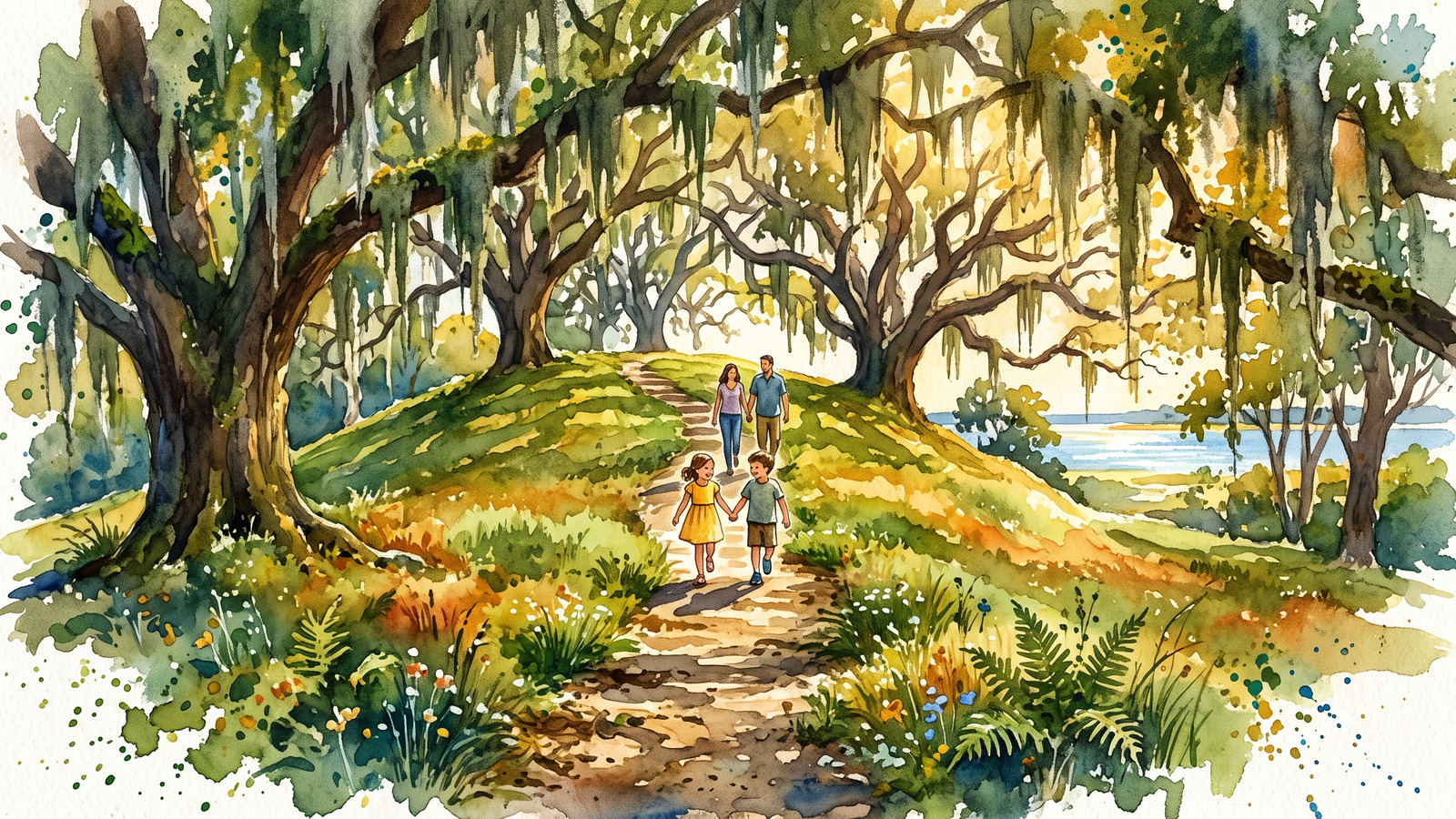
LearnThe Mounds at Philippe Park: A Walk Through 1,000 Years in One Afternoon
Philippe Park in Safety Harbor holds the Tampa Bay region's largest temple mound, Florida's first grapefruit grove, and a free afternoon of real history.
 Learn
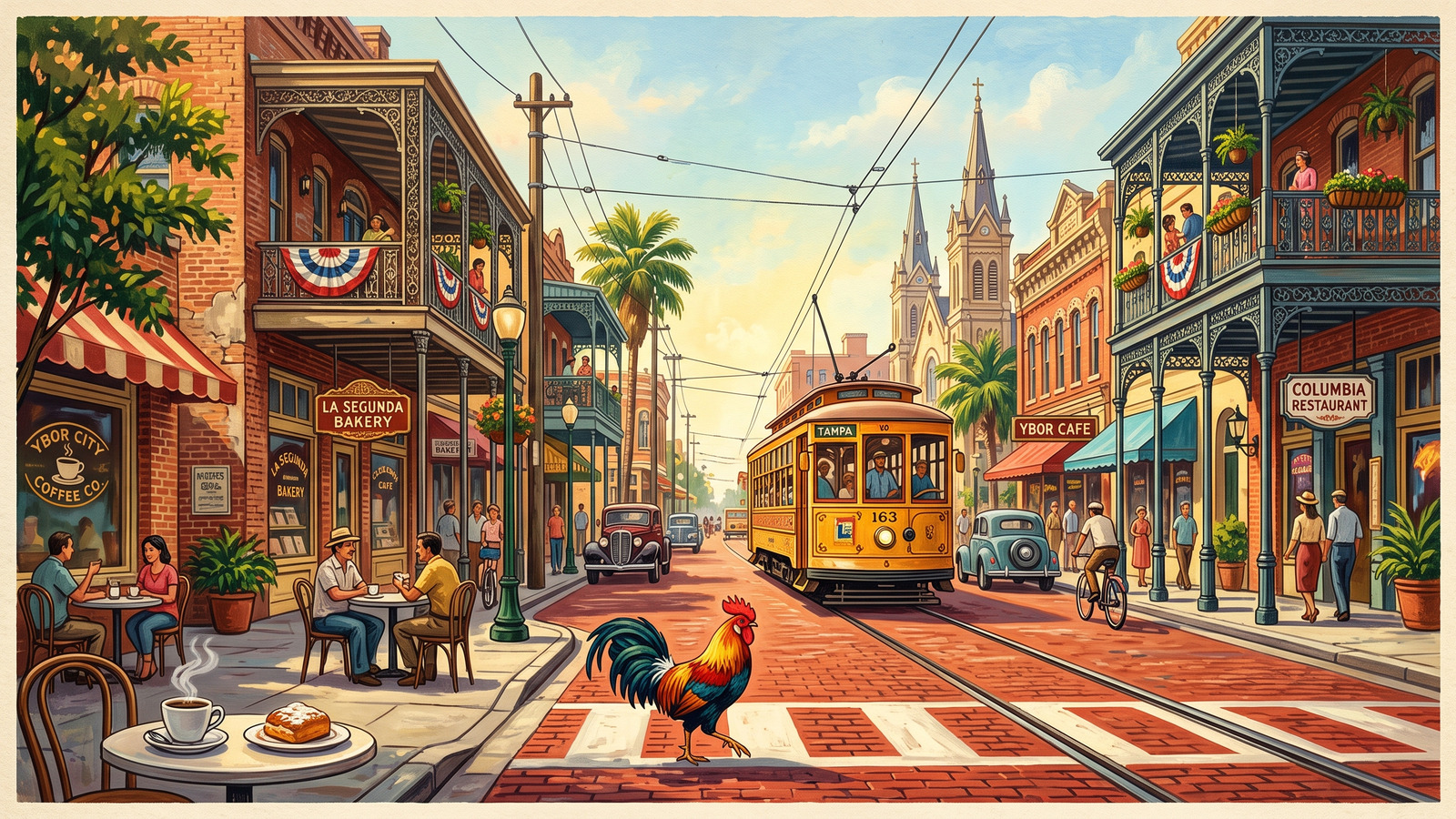
LearnYbor City with Kids: Cigars, Cuban Bread, and the Immigrant Story of Tampa
Ybor City was the cigar capital of the world, built by Cuban, Spanish, and Italian immigrants. The family version: lectores, Cuban bread, and chickens.
 LearnCornerstone
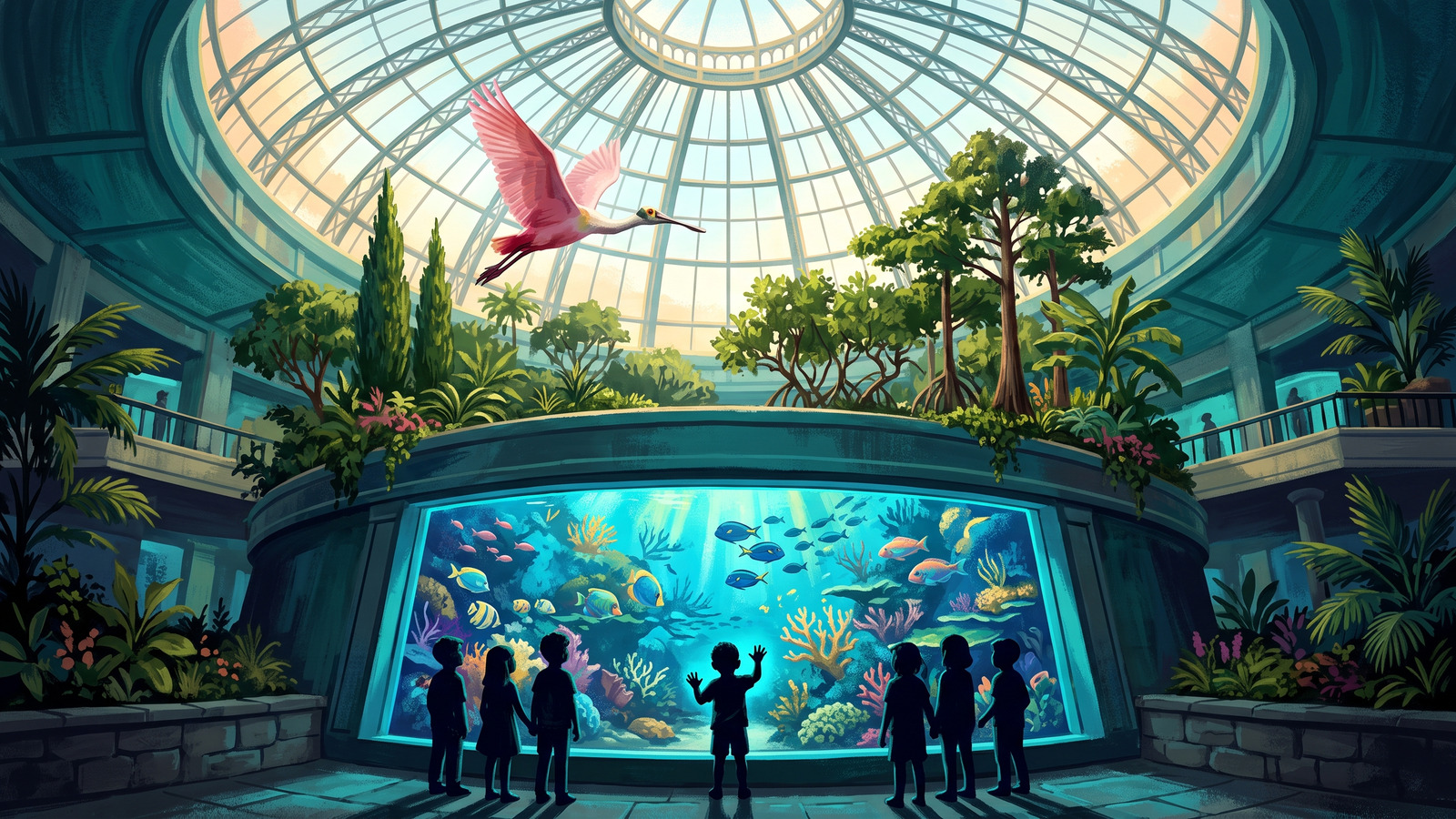
The Florida Aquarium with Kids: A Local's Room-by-Room Game Plan
The Florida Aquarium with kids: the room-by-room game plan, from the wetlands dome to the stingray touch pool, plus timing and ticket strategy.