Tampa Bay History Center: Making 12,000 Years Interesting to a Nine-Year-Old
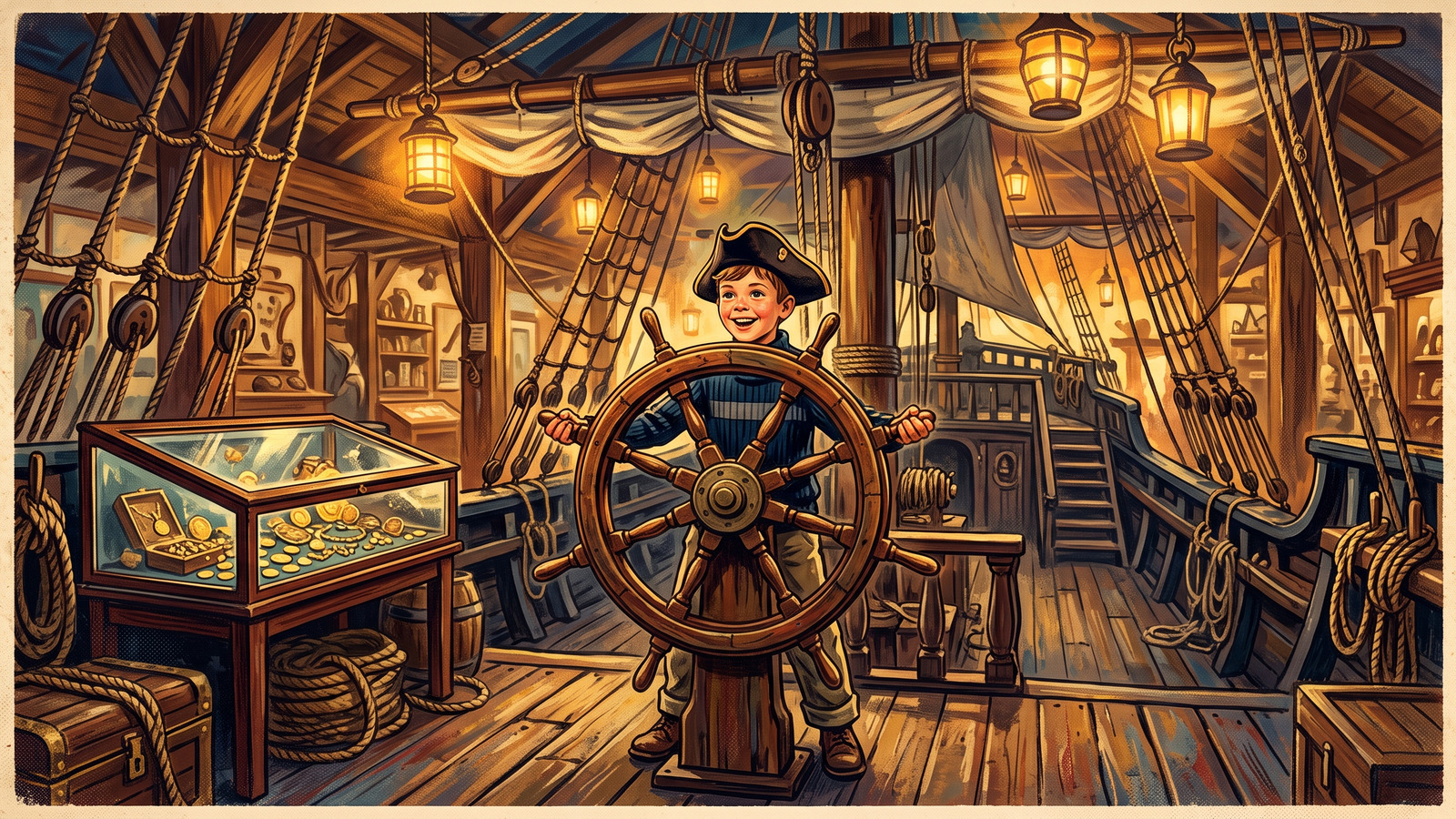
Somewhere on the second floor of a glass building on Tampa's Riverwalk, a nine-year-old is standing at the wheel of a pirate ship, and a museum has him exactly where it wants him. He came for the ship. He will leave having absorbed the Tocobaga's thousand-year capital, the conquistadors' doomed marches, the cattle barons and cigar rollers who built the state, and (the part his parents will enjoy most) the documented truth that Tampa's famous pirate never existed: all without noticing he was being educated, which is the highest compliment a history museum can earn. The Tampa Bay History Center is this site's entire Old Florida cluster, air-conditioned and boardable.
Treasure Seekers: the ship that teaches
Start where the kids will drag you anyway: the Treasure Seekers wing, the History Center's pirate floor, built around a ship children board and operate: wheel, rigging views, cargo questions: alongside the real thing: genuine shipwreck artifacts, salvage science, and the archaeology of how sunken history gets found and read. And then the move this series applauds loudest: the exhibit takes on José Gaspar himself, laying out the legend, the missing evidence, and the 1904 invention of the tradition: the museum-grade version of the historian's toolkit your family already ran. Kids who did the legend-laboratory activity arrive as peers here: watching them fact-check a museum exhibit approvingly is one of this curriculum's finest spectator sports. Real piracy's gulf history (privateers, wreckers, the navy's 1820s sweeps) fills the honest remainder: the fiction and the facts, finally in one room.
The floors below: the whole arc
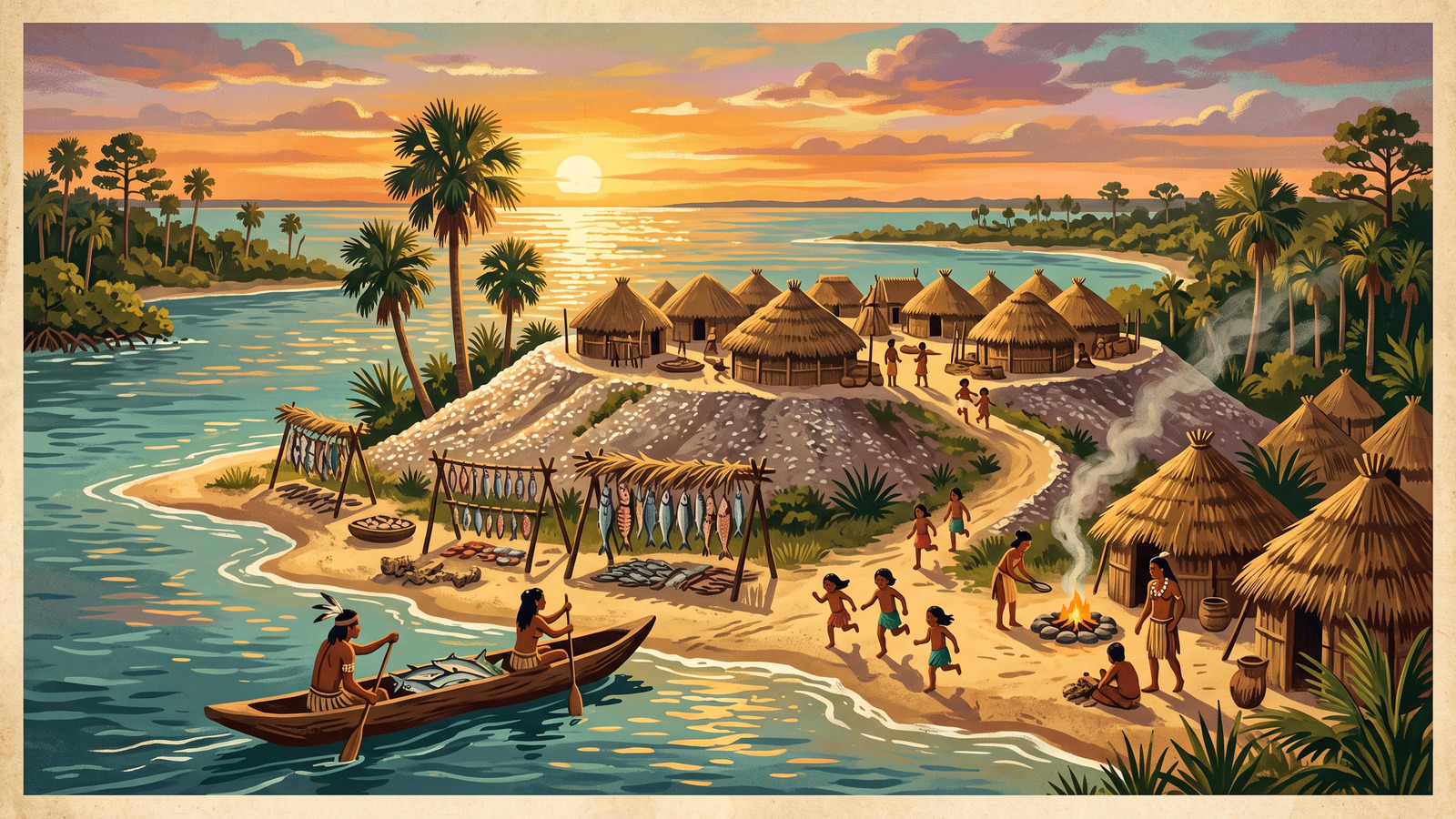
Worked top to bottom, the galleries run the region's full story in the order this site taught it. The first peoples' floor: the Tocobaga and their forebears rendered in life-scale: dugout canoes, mound-town recreations, the shell-tool economy your kids inventoried at Weedon's center, with the Spanish-contact galleries carrying the Narváez and de Soto disasters forward honestly. The pioneer and cattle floors: Florida's cracker-cattle centuries, the cow-hunter economy kids rarely hear about (Spanish cattle gone feral, whips cracking: the state's actual founding industry). The cigar city galleries: immersive streetscapes of Ybor's boom: the factory floor, the lector's platform, the mutual-aid societies: the full immigrant epic, previewing or reviewing the bricks themselves. The building sits on the Riverwalk with the Glazer-library cluster upstream, and the Columbia Cafe (the 1905 institution's downtown outpost) handles lunch without leaving the story: Cuban sandwich, 1905 salad, curriculum on rye.
| The visit | The plan |
|---|---|
| Duration | 2-3 hours at kid pace |
| The order | Treasure Seekers first (the magnet), then descend through time |
| Lunch | Columbia Cafe in the lobby: the edible exhibit |
| The pairing | Riverwalk stroll, Glazer for split-age crews, Amalie-district wander |
| The budget | Library pass rotations include it; check first |
| The loop | Museum and real sites, both directions: mounds, Ybor, the fort |
The museum-and-sites loop, run properly
Here's the pedagogy this cluster has been building toward: the History Center and the region's real places teach in a loop, and the loop runs both directions. Sites-first families (the ones who've walked the mound, ridden the Ybor streetcar, climbed the batteries) arrive at the museum recognizing everything: the galleries organize what their feet already know. Museum-first families collect the map here, then spend a season cashing it outdoors, site by site. Either direction, the child who's done both holds regional history the way locals hold tide charts: as lived reference, not school subject. Assign the loop deliberately: it's the difference between a museum visit and a curriculum.
The Little Naturalist activity
Run the curator's challenge: each kid picks the one artifact in the building they'd save in a fire (justification required: age, story, irreplaceability), then designs the label card for one object from their own life a museum should keep in 2126: what would future kids need explained? The exercise teaches what museums actually are (arguments about what matters, made of objects), and the family's proposed artifacts (a shell-collection star, the ship's log, somebody's flattened penny) tend to reveal exactly what this coast's childhood is made of.
Questions families ask
What ages does the History Center actually serve?
The ship wing works from preschool up; the galleries' sweet spot is 7 through teen, with the immersive streetscapes carrying the younger tail. Under-5 crews pair a short ship visit with Glazer next door rather than forcing the floors.
Is the Columbia Cafe worth it versus packing lunch?
It's the rare museum café that is itself an exhibit: the 1905 original's recipes, downtown convenience, kid menu included. Budget crews picnic the Riverwalk; celebration crews order the 1905 salad tableside and call it history homework.
Does the museum cover the harder chapters honestly?
Yes, and increasingly well: the galleries address the Tocobaga's destruction, slavery and the Seminole wars, and the cigar era's labor struggles at kid-appropriate depth: the same honest-and-gentle standard this series uses. Parents wanting preview can walk floors solo in twenty minutes; the curation deserves the trust.
How does it fit a homeschool schedule?
Like a keystone: the center runs education programs and homeschool-aimed offerings, the galleries map to Florida-history requirements, and the museum-and-sites loop above converts to a semester plan almost verbatim. The Discovery Pass makes the repeat visits free, which is the whole trick.
Questions families ask
Is the Tampa Bay History Center good for kids?
Unusually: the Treasure Seekers wing centers on a boardable pirate ship and shipwreck science, the first-peoples galleries bring the Tocobaga world to life, and the cigar-city floor runs immersive streetscapes. It's a history museum built by people who understood nine-year-olds.
What is the Treasure Seekers exhibit?
The History Center's pirate-and-seafaring wing: a period ship kids can board and crew, real shipwreck artifacts and treasure, and an honest reckoning with the Gaspar legend: the fiction, the facts, and how Tampa turned an invented pirate into a real tradition.
How long does the History Center take with kids?
Two to three hours at kid pace covers the three floors: first peoples, conquistadors, cattle and cigars, and the pirate wing, with the Columbia Cafe downstairs solving lunch. It pairs with the Riverwalk and downtown's other stops for the full day.
Does the History Center connect to local field trips?
It's the indoor twin of half this site's outings: the Tocobaga galleries preview the real mounds at Philippe Park and Weedon Island, the Gasparilla exhibit completes the legend-vs-history lesson, and the cigar floors set up Ybor City's bricks. Museum first or sites first, the loop teaches double.
Sources
More from the Bae
 LearnCornerstone
Who Lived Here First? The Tocobaga of Tampa Bay, Told for Kids
The Tocobaga built shell-mound towns around Tampa Bay for centuries before Europe arrived. Their story, told for kids, and where families can stand in it.
 Learn
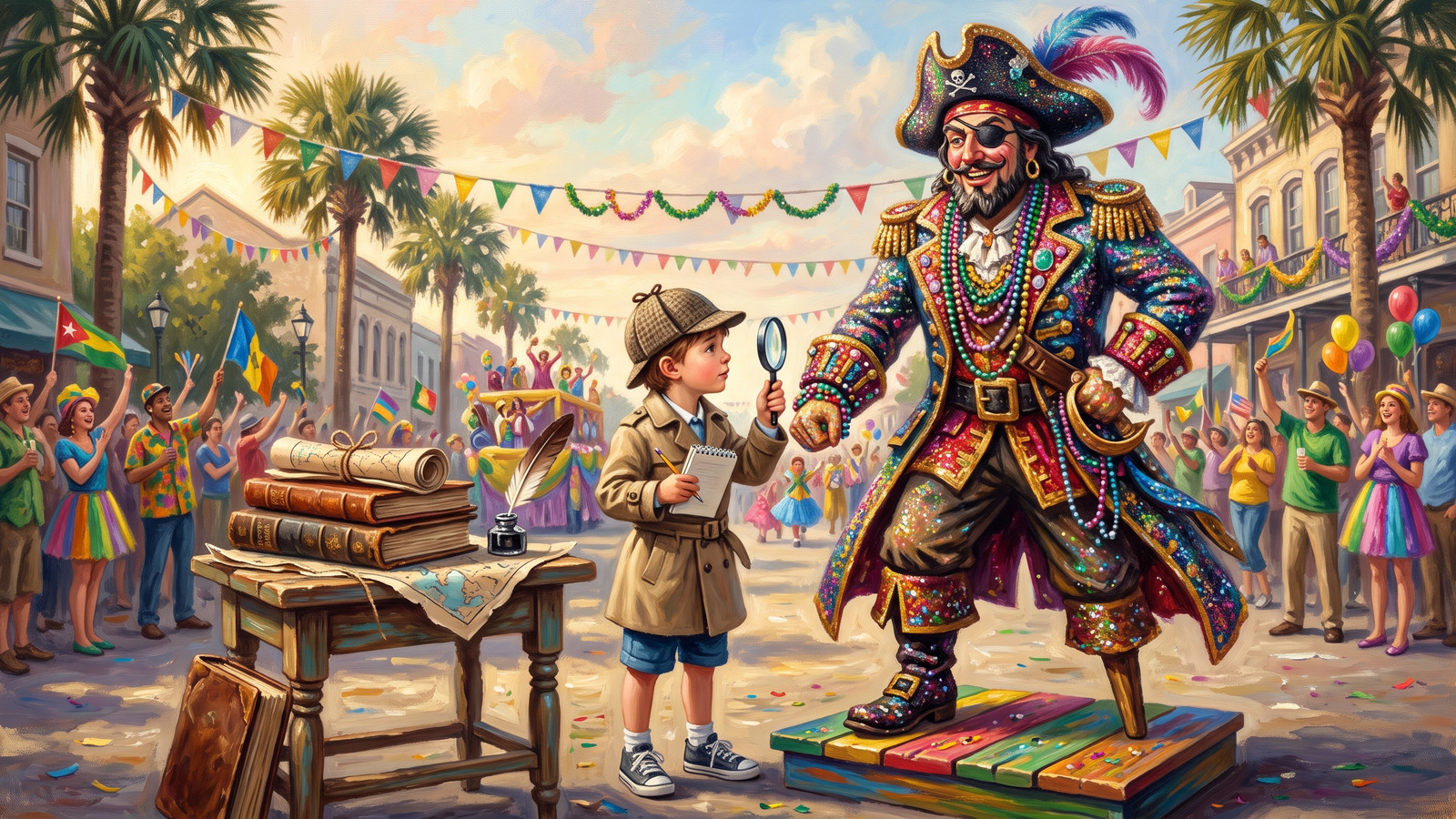
LearnGasparilla, the Pirate Who Probably Never Was: Legend vs. History for Kids
José Gaspar, Tampa's famous pirate, almost certainly never existed. How the legend was invented and why the city celebrates anyway.
 Learn
LearnYbor City with Kids: Cigars, Cuban Bread, and the Immigrant Story of Tampa
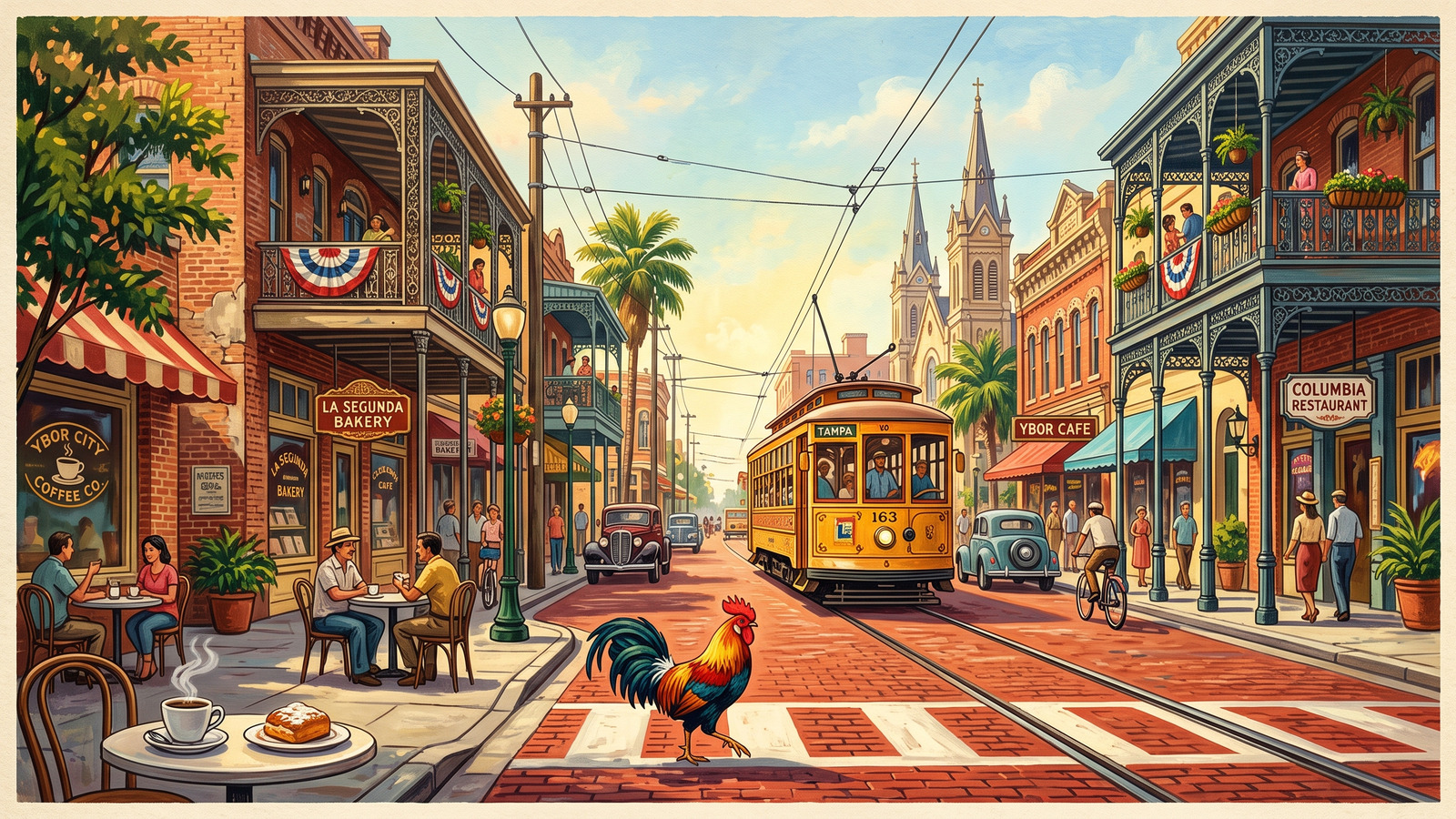
Ybor City was the cigar capital of the world, built by Cuban, Spanish, and Italian immigrants. The family version: lectores, Cuban bread, and chickens.