The Bishop Museum in Bradenton: Manatee Rehab, Mastodons, and a Planetarium
There's a museum an easy drive south of the Skyway where your kids can watch a rescued manatee eat its way back to the wild, stand under a mastodon that walked this exact peninsula when the Tocobaga's deep ancestors hunted it, and then lean back in a planetarium while the ceiling becomes the sky the dark beaches promised. The Bishop Museum of Science and Nature is Bradenton's compact wonder-cabinet, it punches far above its square footage, and it holds one of the great animal biographies in American history: a manatee named Snooty, who spent sixty-nine years teaching Florida to love his species.
The rehab pool: the hospital's second act
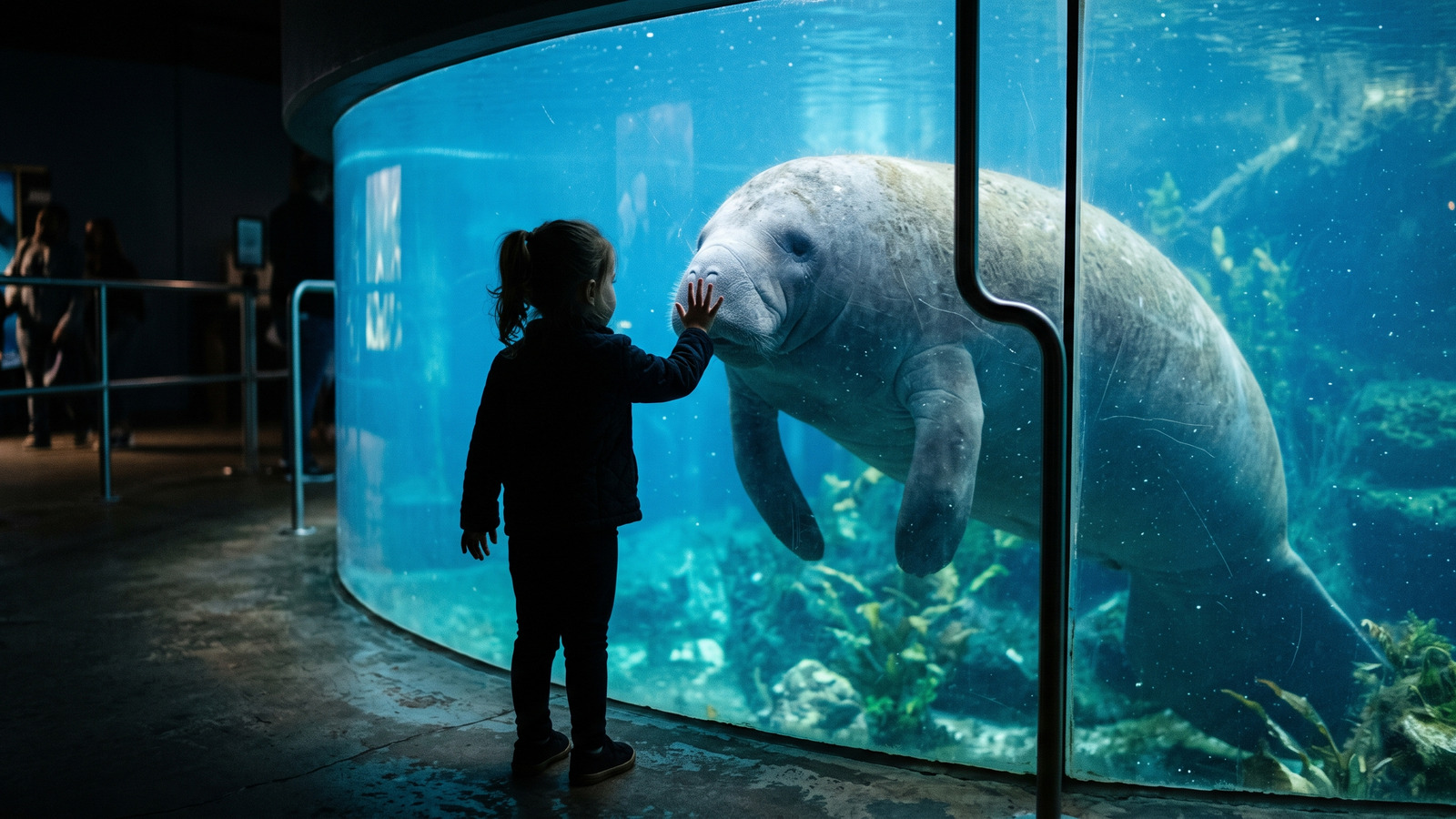
Your family knows the rescue pipeline's front end: the hotline, the critical-care hospitals. The Bishop is the convalescent wing: second-stage rehabilitation, where manatees stabilized elsewhere come to gain weight, heal fully, and prove themselves ready for release: which makes the viewing genuinely different from an exhibit. The patients are temporary by design (regulars track arrivals and graduations like CMA's turtle board), the keepers' talks cover each animal's actual case (boat strike, cold stress, orphaned calf: the zone rules and TECO lessons made flesh), and the underwater windows give kids the eye-level minutes the boardwalk viewing never quite allows: lettuce-crunching audible, propeller-scar histories readable, the whole animal at last. Ask the schedule for feeding times on arrival; the pool's rhythm sets the visit's.
Snooty: the biography worth the drive
Tell it properly, because it's one of Florida's great animal stories: Snooty was born in captivity in 1948 (aquarium-born, before the ethics evolved), came to Bradenton as a yearling, and simply stayed: for sixty-nine years, through twelve presidents, greeting generations of schoolchildren, starring in birthday parties the whole city attended, and becoming Manatee County's official mascot and the oldest known manatee in recorded history: living proof of the species' possible lifespan, decades past wild averages. His death in 2017 (a tank accident, mourned like a statesman) closed the resident era; the rehab mission his fame and funding built carries forward in the Parker habitat your kids are watching. The arc (one beloved individual converting a whole region to his species' cause) is the adopt-a-manatee logic played out at civic scale, and children absorb it exactly that way.
Mastodons, megafauna, and deep time
Upstairs from the manatees, the museum runs the deep-time gallery this coast's story needs: Ice Age Florida, when sea levels sat lower, the peninsula spread wider, and mastodons, giant ground sloths, and saber-cats walked ground your family beach-combs: the fossil evidence (much of it pulled from local rivers and pits) stands assembled, mastodon centerpiece and all. For kids raised on this series, the gallery snaps threads together: the 2.5-million-year-old crane fossils, the horseshoe crab's deeper-still tenure, the first-peoples galleries bridging toward the mound-builders: Florida's timeline, walkable in an afternoon. The Bishop Planetarium caps it: daily sky shows and science features under the dome, the region's best "what you'd see without the streetlights" hour, and the air-conditioned finale every summer-storm itinerary appreciates.
| The Bradenton day | The clock |
|---|---|
| Bishop opening: rehab pool + keeper talk | 10:00 |
| Ice Age galleries + first peoples | 11:15 |
| Planetarium show (check times at entry) | 12:30 |
| Lunch: downtown Bradenton riverfront | 1:30 |
| The pairing: Robinson Preserve towers or Anna Maria beach | 2:30 |
| The Skyway drive home (name game in effect) | 5:00 |
The Little Naturalist activity
Run the timeline ribbon: before the visit, have kids mark a long ribbon or register-tape scroll with the stops (445 million years: horseshoe crabs; Ice Age: mastodon; 1,000 years back: Tocobaga mounds; 1948: Snooty's birth; this year: the current rehab patient's rescue), then walk the museum finding each stop's evidence and adding one fact per station. The rolled-up ribbon comes home as the homeschool artifact of the season: deep time, made carryable, with a manatee at both ends.
Questions families ask
How does the Bishop compare to the big Tampa museums?
Smaller, deeper, calmer: it's the naturalist's museum rather than the spectacle, and families who've done the big-ticket circuit often rank the Bishop's manatee-plus-mastodon hour as the sleeper best of the year. The Bradenton address filters crowds; the content doesn't deserve the filtering.
Is the planetarium show worth planning around?
Yes: schedule the galleries around a show time picked at entry: the sky shows run kid-friendly durations, and the dome does for astronomy what the aquarium's reef window does for the ocean: scale, delivered sitting down.
What's Robinson Preserve, and why pair it?
Bradenton's restored coastal preserve minutes from the museum: mangrove trails, paddle launches, and observation towers over the restoration-economy landscape: the outdoor lab to the museum's lecture. Museum-then-preserve is the south-bay version of Weedon's classic day.
Did Snooty really know his keepers?
By every account: he responded to voices, learned routines across decades, and performed his enrichment behaviors for delighted generations: longevity plus personality made him the argument his species needed. The honest coda for kids: today's ethic keeps healthy manatees wild, and the rehab pool's rotating patients (touched by no public, released on schedule) are Snooty's legacy done the modern way.
Questions families ask
Can you really see manatees at the Bishop Museum?
Yes: the museum's Parker Manatee Rehabilitation Habitat is a working second-stage rehab facility where rescued manatees fatten up and finish healing before release, viewable above and below the waterline. The patients rotate as they recover, so regulars meet a changing cast.
Who was Snooty the manatee?
The museum's legendary resident for nearly seventy years and the oldest known manatee ever: born in captivity in 1948, Bradenton's official mascot, and beloved across generations until his death in 2017. Today's rehab habitat continues the manatee mission his fame built.
What else is in the Bishop Museum besides manatees?
Ice Age Florida done properly: a mastodon skeleton and megafauna gallery, deep fossil collections, exhibits on Florida's first peoples and Spanish contact, and the Bishop Planetarium running daily sky and science shows. It's a compact natural-history museum with unusual range.
How long is a Bishop Museum visit and is it worth the Bradenton drive?
Two to three hours covers manatees, mastodon, and a planetarium show, and the drive math works best as a pairing: Bishop morning plus an Anna Maria Island or Robinson Preserve afternoon makes the classic south-of-the-bay family day.
Sources
More from the Bae
 Learn
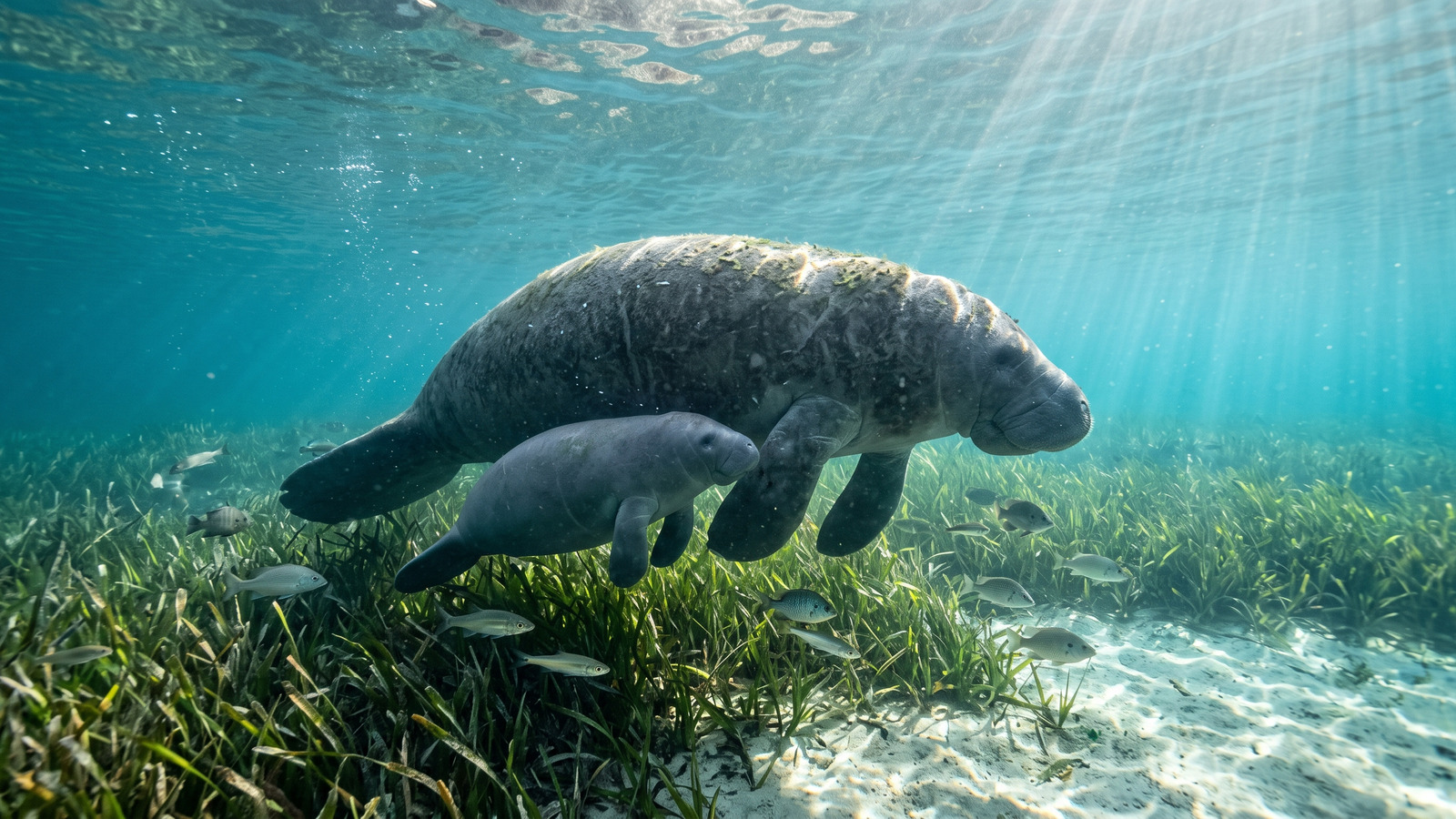
LearnManatees for Families: Where to See Them Near Tampa Bay and the Rules That Keep Them Safe
Where to see manatees near Tampa Bay: the free TECO Manatee Viewing Center opens November 1, plus the look-don't-touch rules families should know.
 LearnCornerstone
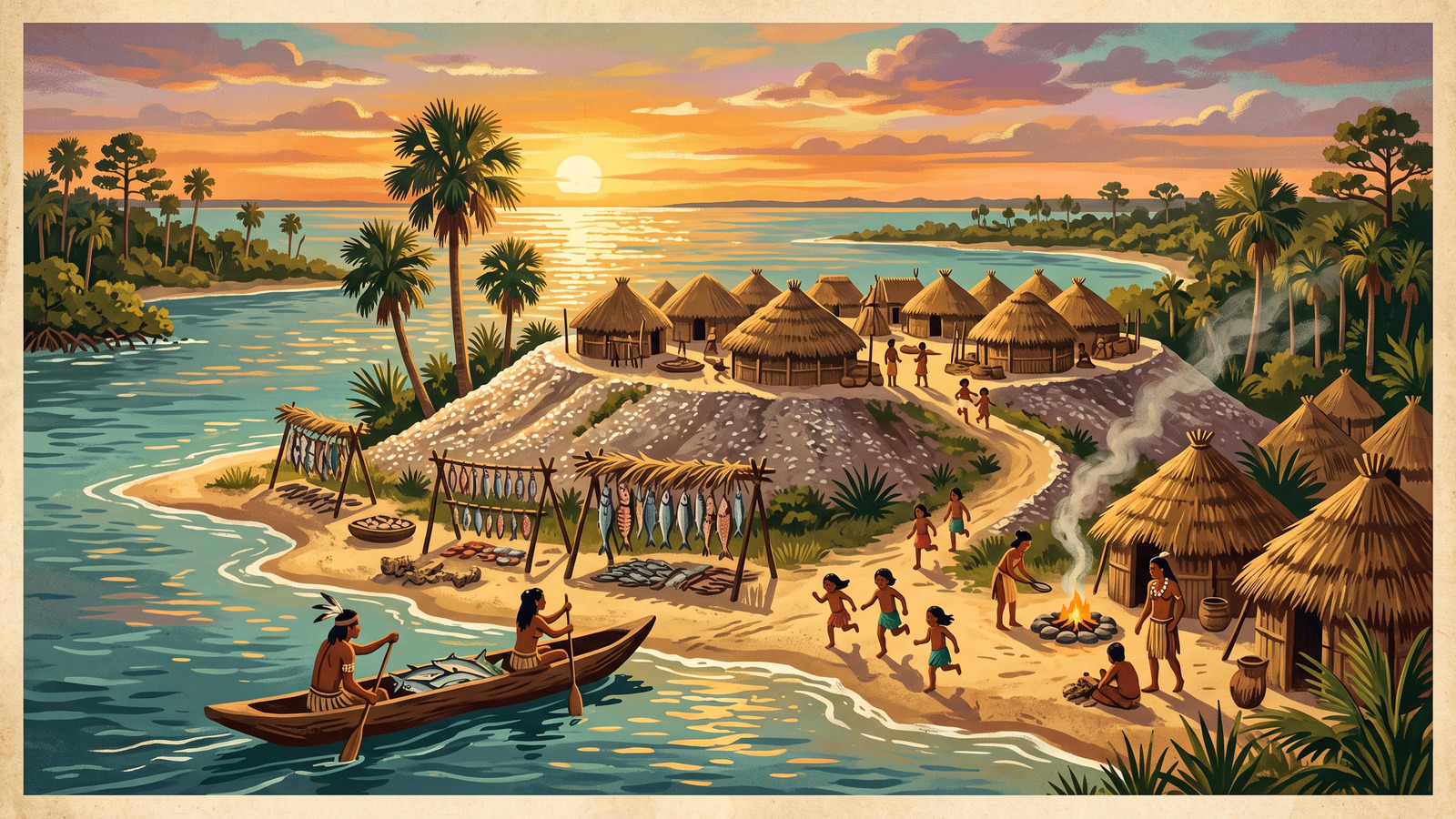
Who Lived Here First? The Tocobaga of Tampa Bay, Told for Kids
The Tocobaga built shell-mound towns around Tampa Bay for centuries before Europe arrived. Their story, told for kids, and where families can stand in it.
 Protect
Adopt, Sponsor, Volunteer: Family Conservation Programs Around Tampa Bay Worth Joining
The Tampa Bay family conservation menu: adopt a real named manatee, steward shorebirds, build oyster reefs, and pick programs that do real work.