Junior Ranger Programs: How State and National Parks Turn Hikes into Badges
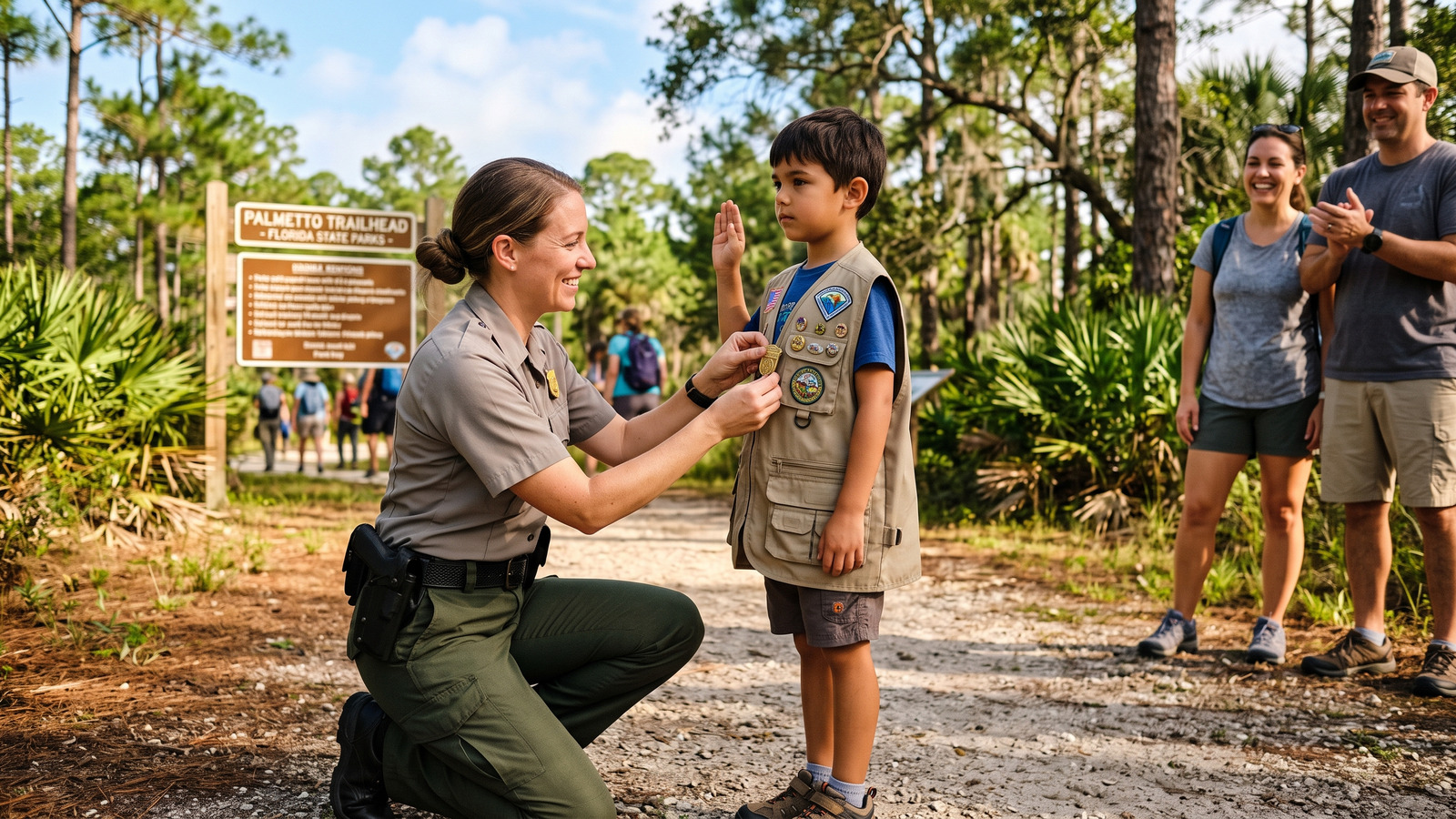
Children are credential animals. Any parent who has watched a five-year-old defend a sticker chart knows this, and the park systems of America know it too: which is why the smartest free program in Florida is a small paper kit that turns every hike into a quest. The Junior Ranger program runs on the oldest motivational engine there is (a pledge, a badge, a ladder to climb), and it aims that engine at exactly what this site has been teaching all year: shorebirds, seagrass, tides, and the discipline of leaving a place better than you found it. Your child hikes anyway. This makes the hike count.
The ladder, explained
The program's structure deserves a parent's appreciation, because it's built exactly backward from school and exactly right for kids: the badge arrives at the pledge, not the finish. A newly sworn junior ranger walks the Osprey Trail differently: they are now personnel. The six core activities that earn the patch spread across the four categories, so a child can't badge out on wildlife alone: something cultural (the park's history), something recreational (a skill: casting, paddling, flag reading), and something in service (a cleanup handful, a survey) round the ledger. The passport turns the whole state system into a collection: stamps accumulate park by park, and the completed book converts to the pin plus that free vehicle entry, which makes the final stamp a family economic event. Downloadable and virtual versions exist for rain weeks and pre-trip prep: print the activities before a Caladesi ferry day and the boat ride becomes the briefing. One quiet note on pacing: the badge-at-the-pledge design means even a single visit sends a child home credentialed, so families with one state park day a season still belong in the program: the ladder waits between trips without complaint.
The local circuit
| The park | The junior ranger angle | Pair it with |
|---|---|---|
| Honeymoon Island SP | Osprey Trail, shorebird zones, the classic first badge | The two-island day |
| Caladesi Island SP | Ferry logistics, wild beach, shelling ethics | Shelling with kids |
| Egmont Key SP | Ruins, gopher tortoises, island stewardship | The Egmont field trip |
| Hillsborough River SP | The other Florida: river, rapids, hammock forest | One-tank trips |
| De Soto National Memorial (NPS) | The federal badge: conquistador history, mangrove shore | The 1528 story |
Two systems, one region: the state program's ladder plus the National Park Service's separate booklet-and-badge tradition at De Soto National Memorial, where the Narváez story your family already knows gets its official site. NPS badges are their own national collection (many families travel on them), and the Bradenton memorial is among the easiest in Florida to earn. Note the boundary for local accuracy: Fort De Soto is a county park (magnificent, but badge-less), so aim junior ranger ambitions at the state and federal properties and let the county days be recess.
Running it as a unit
For homeschool families, the program converts to a ready-made semester: one park a month, the kit's activities as the workbook, the nature journal as the field record, and the passport as the progress bar: attach the completed activity pages to the portfolio binder and the evaluation practically writes itself. For school families, it's the weekend structure that survives the season: the stamp hunt gives a reason to try the park you'd otherwise skip, and the service activities fold into the cleanup habit this site keeps prescribing. Either way, teach the pledge seriously the first time: kids who raised a hand and promised to protect the parks hold posted areas and dune paths to a code no lecture installs.
The Little Naturalist activity
Between park trips, have the family design its own badge: pick the home territory (your beach, your preserve, the backyard), name the honor (the Sand Dollar Star, the Mangrove Medal), and write its six requirements using the state program's four categories: something natural, something historical, something skilled, something served. Draw the badge, laminate it, award it at a ceremony with the full pledge treatment. The exercise reveals whether the kids absorbed the program's actual lesson: that a badge is a list of things a place needs from you, folded into a circle.
Questions families ask
Do we have to finish the six activities in one visit?
No: the kit travels home, activities span visits, and staff stamp progress whenever you return. The unhurried version (one park, several trips, activities spread across a season) often teaches more than the checklist sprint.
What's the difference between the state and NPS programs?
Parallel traditions: Florida's runs the badge-patch-pin ladder with the statewide passport; the National Park Service issues site-specific booklets and badges at each unit (De Soto National Memorial locally, then the whole national map on vacations). Collectors run both, and no rule says choose.
Is there anything for teens who've aged past the cuteness?
The service category grows with them: parks take teen volunteers seriously (cleanup crews, citizen surveys, event help), and the citizen science circuit picks up exactly where the badge ladder ends. The pin on the backpack ages into hours on the college application.
Can grandparents run the junior ranger circuit?
It's the best grandparent program in Florida: low cost, built-in structure, a ceremony at the end, and a ferry ride in the middle. The passport lives in the grandkid go-bag, and the winter visits fill it fast.
Questions families ask
How does the Florida State Parks Junior Ranger program work?
Ask any participating park's staff for the free Junior Ranger kit: kids take the pledge and receive a badge and member card on the spot, then complete six core activities to earn the patch. A passport collects stamps park by park, and a completed passport earns the pin plus a free vehicle entry to any state park.
Does the program cost anything?
The kit, badge, patch, and pin are free: you pay only normal park entry. There's also a Virtual Junior Ranger option with downloadable activities for home or pre-trip prep.
Which parks near Tampa Bay participate?
Honeymoon Island and Caladesi Island state parks anchor the local circuit, with Egmont Key, Hillsborough River, and the wider state park map beyond. De Soto National Memorial in Bradenton runs the National Park Service's separate junior ranger badge, so the region offers both systems.
What ages is junior ranger for?
The sweet spot is roughly 5 through 12, but parks welcome younger siblings shadowing and older kids finishing passports. Rangers have sworn in plenty of proud four-year-olds with a parent's help on the writing.
Sources
More from the Bae
 Explore
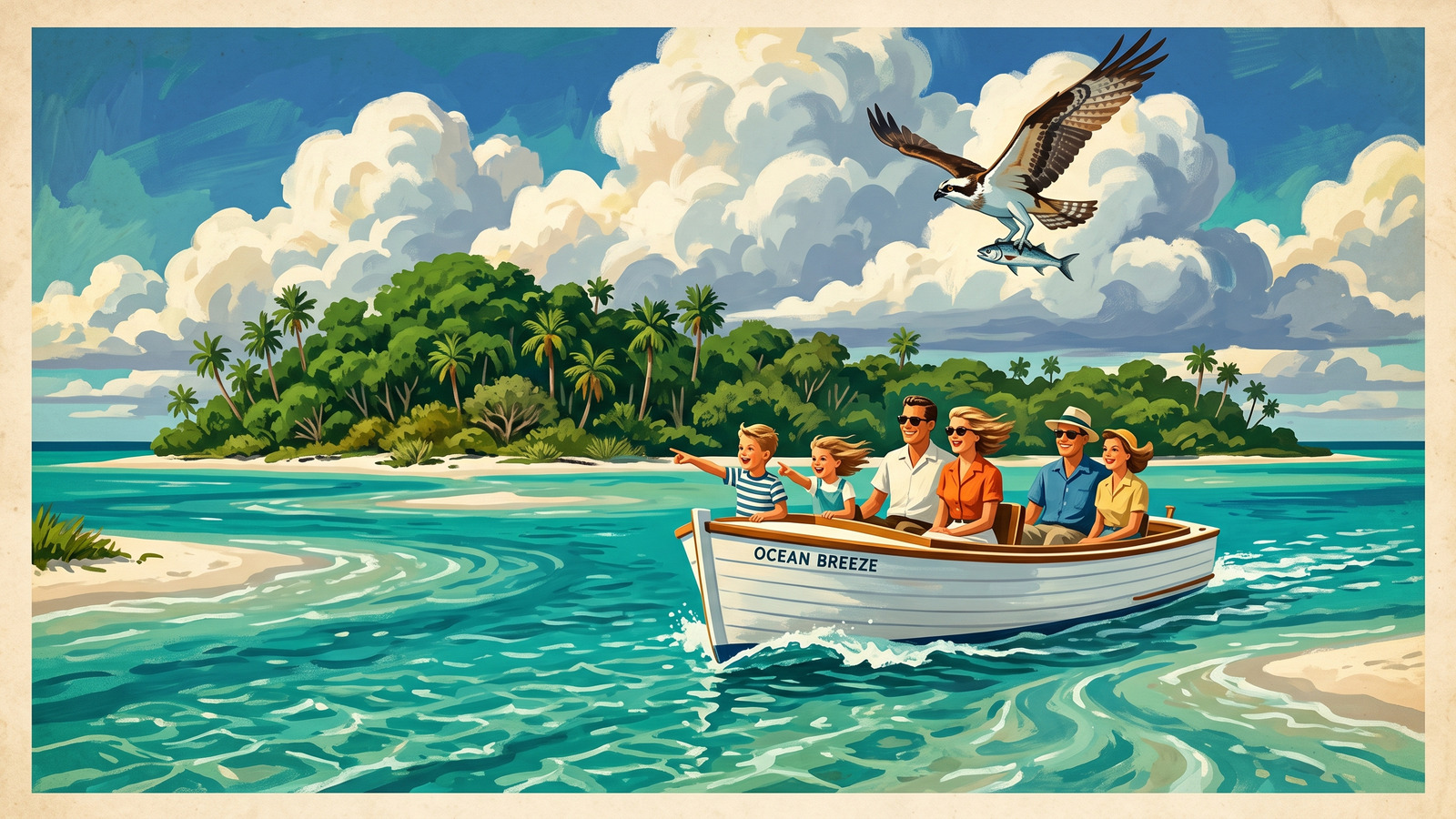
Caladesi and Honeymoon Island with Kids: The Full Day, Planned
Caladesi and Honeymoon Island with kids: the ferry ($20 adults, $10 kids), the Osprey Trail, the pet beach, and the full two-island day, planned.
 Learn
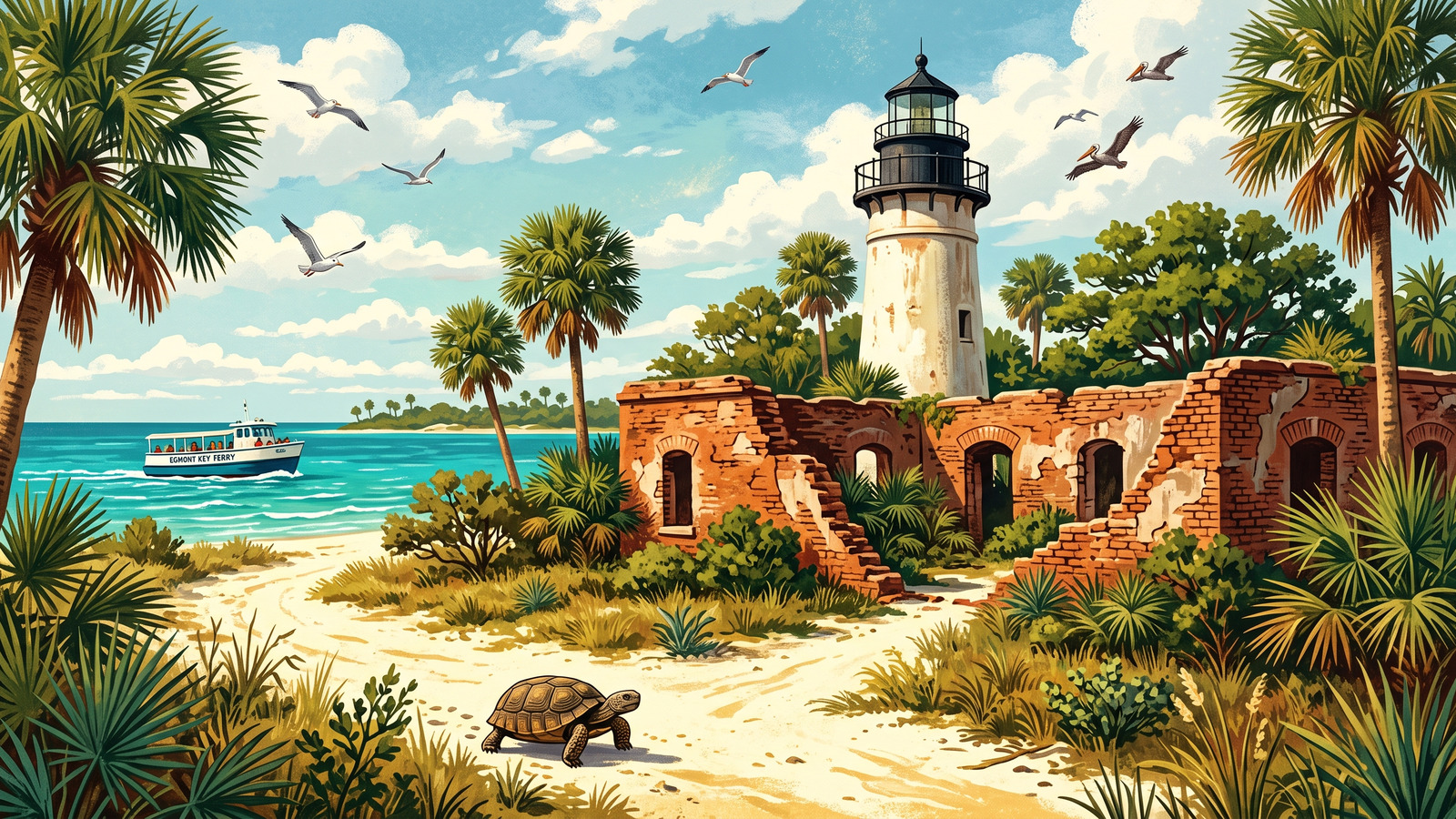
LearnEgmont Key by Ferry: Lighthouse, Fort, and Tampa Bay's Best History Field Trip
Egmont Key packs an 1858 lighthouse, Fort Dade's ruins, brick ghost-town streets, and a ferry ride with dolphins into Tampa Bay's best history field trip.
 Learn
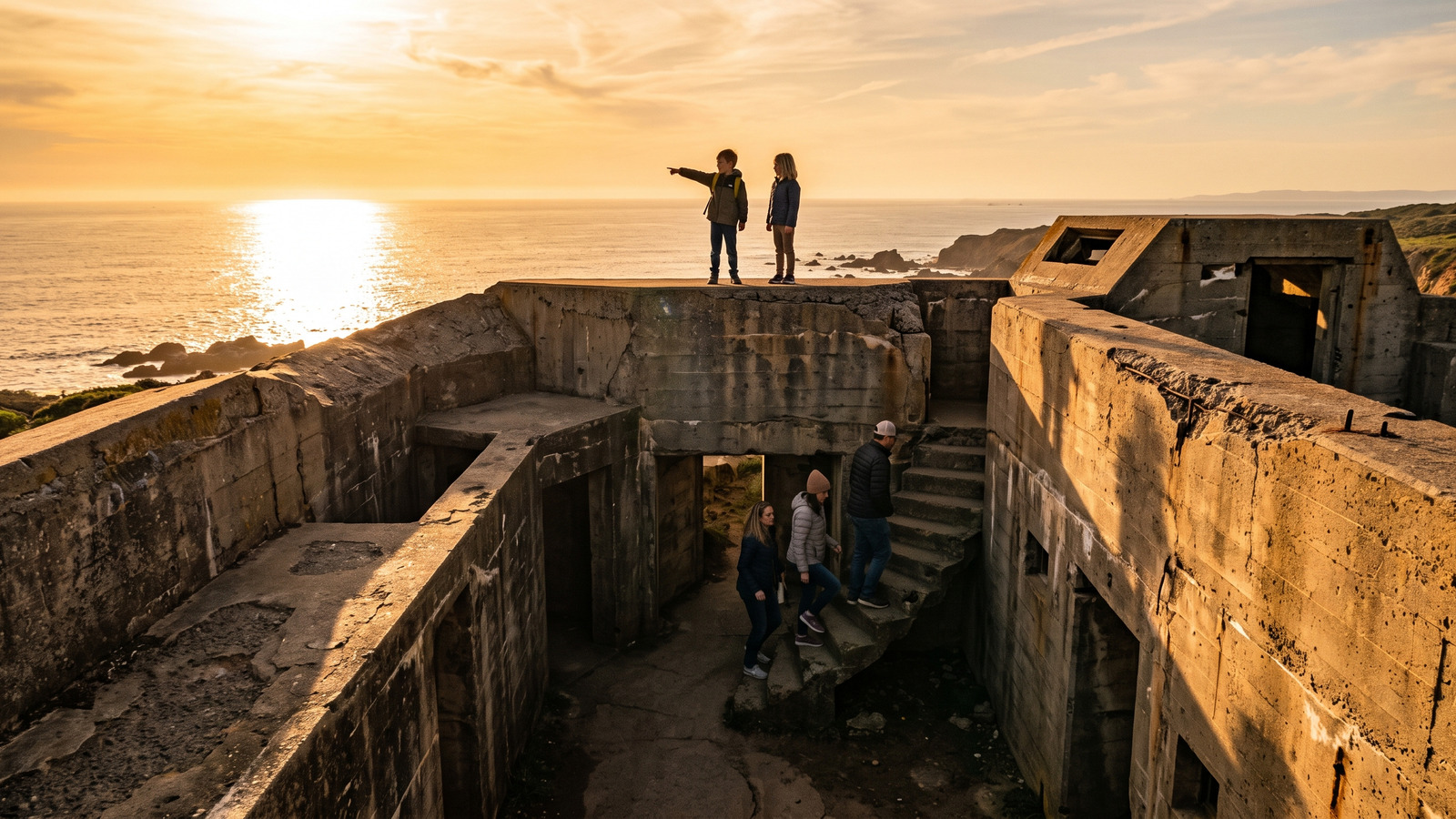
LearnFort De Soto's Hidden Batteries: A Spanish-American War Walk Kids Actually Love
Fort De Soto's Battery Laidley holds the last four 12-inch seacoast mortars of their kind in the continental U.S. The kid-approved history walk.