
Fort De Soto with Kids: Beach, Fort, Ferry, and the Best Picnic Tables in Florida
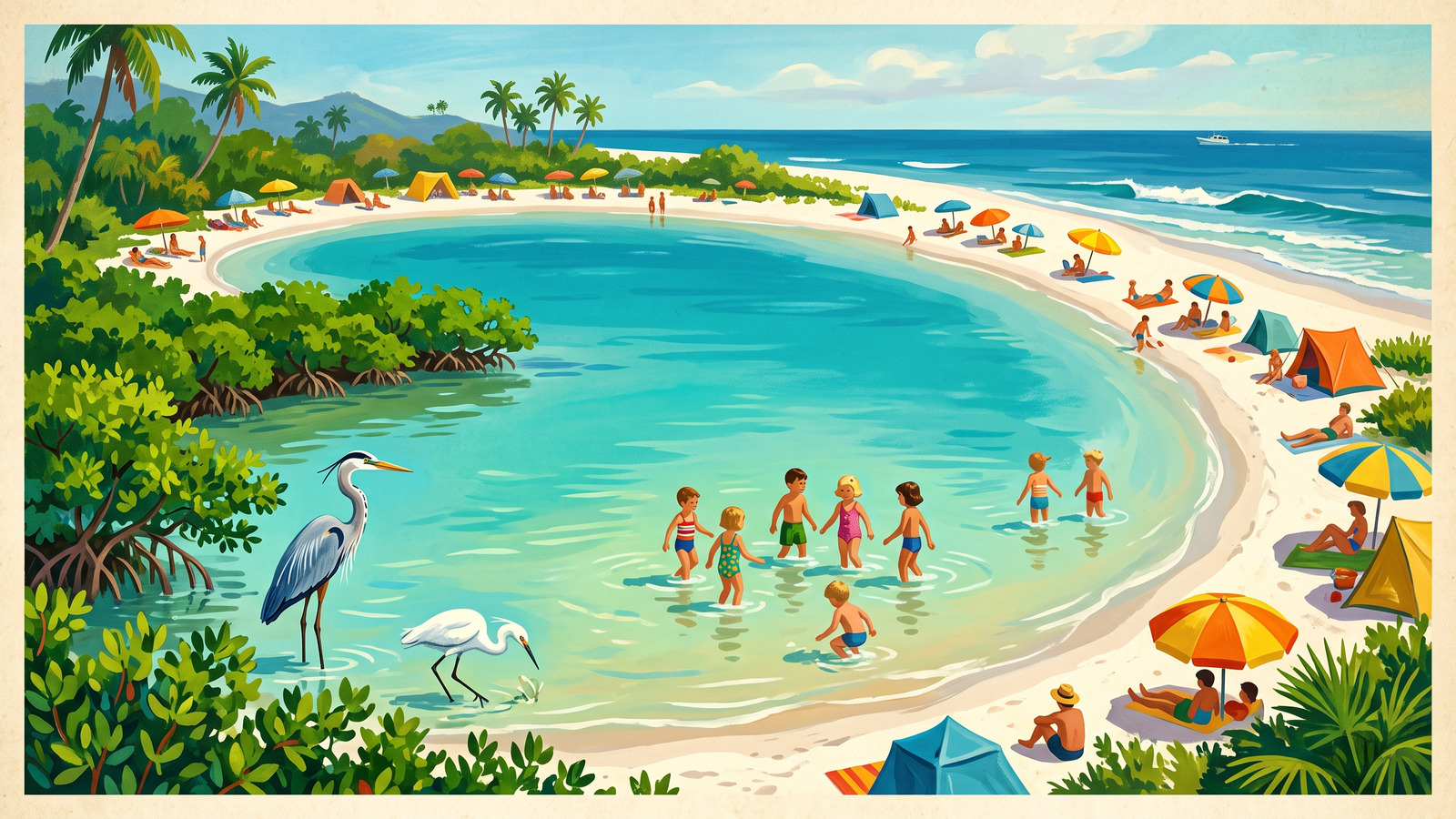
Somewhere in the planning of every Tampa Bay childhood, one park quietly does the work of ten: the first wade happens in its lagoon, the first fish comes over its pier rail, the first ferry, the first campout, the first cannon-sized gasp at the fort, the first time a dog meets the sea. Fort De Soto is five islands, a dozen firsts, and one daily parking fee, and if this site could issue only a single map pin for families, it would land here. What follows is the operating manual: the park by zones, the day by ages, and the shelters that grandparents plan reunions around.
The park by zones
| The zone | What it does | The crew it serves |
|---|---|---|
| North Beach + lagoon | The famous sheltered wading pool, ranked sand, full amenities | Toddlers through everyone; the matchmaker's crown |
| Gulf beaches | Open-water swimming, flag-flying surf days | Wave kids, boogie boards |
| East Beach | Bay-side calm, Skyway views, picnic pines | Wade-and-grill families, sunrise crews |
| The fort + museum | The batteries walk, free Quartermaster Museum | The morning history hour |
| Gulf + Bay piers | Pier-license fishing, bait shops, pelican theater | First-catch expeditions |
| Ferry landing | Egmont Key crossings | The expedition day |
| Paw Playground | Fenced dog park plus dog beach | The four-legged sibling |
| The trail | Seven paved miles, island to island | Bikes, strollers, migration-season birders |
| Campground | Waterfront sites, legendary demand | The first family campout |
The geography in one sentence for the driver: one road threads five keys, the fort and piers anchor the southwest, North Beach crowns the northwest, East Beach faces the bay, and every zone posts its own parking lot: so the day's plan is really a parking itinerary, and moving zones is a five-minute hop, not a hike.
The day, built by ages
The toddler edition: North Beach lagoon at 9, shade tent up, water shoes on, and the entire morning belongs to knee-deep glass and hermit crab diplomacy; lunch at the shaded tables, and home by nap with the car full of sand and success. The grade-school edition: fort first while the concrete is cool (flashlights for the magazines), pier hour with shrimp bits and small hooks, lagoon swim, and the ranger-brochure scavenger list running all day. The big-kid edition: ferry to Egmont for the ruins-and-snorkel morning, back for a late lagoon float, sunset from the gulf pier as the pelicans commute home. The everyone-at-once family reunion: reserve a shelter (they book ahead and hold the shade, the grill, and the group's center of gravity), and let the zones absorb the age spread: the park's whole genius is that nobody has to compromise, they just have to reconvene for burgers.
Camping: the first-tent institution
The campground deserves its own paragraph because it's where this region's families traditionally break in the tent: waterfront sites under palms and pines, raccoons with graduate degrees in cooler science (hard-sided storage is the entire secret), sunsets over the bay, and mornings where the dawn-patrol shelling and pier fishing start at walking distance. Demand is famous: reservations open months out and weekend sites evaporate: so the family play is midweek shoulder-season for the first attempt, and the camping-close-to-home ladder climbs from there. A first campout where the backup plan is "the car, twenty minutes from home" is exactly the risk profile new camping families deserve.
The migration footnote your calendar wants
One park habit rewards the birding-aware family all year: April's mulberry-tree spectacle is the headline, but the park's position at the bay's mouth makes every season produce: winter shorebird flocks on the flats, fall hawk pushes, and the posted nesting areas running their skimmer-and-tern drama all summer. The kid who learned the big five can run their list to thirty species here on an ordinary Saturday, between swims.
The Little Naturalist activity
Issue the five-key passport: one index card per park zone, stamped (kid-drawn stamps encouraged) when the family completes each zone's signature act: lagoon float, mortar count, first cast, ferry ride, trail mile, campground night. A full passport earns a family-defined honor (the traditional one involves ice cream of unusual size). It's the beach atlas concentrated on one park, it takes most families a season, and it guarantees the park gets explored past the one famous lot: which is exactly how a place becomes theirs.
Questions families ask
How early is early enough on a season weekend?
Through the gates by 9 puts you ahead of the noon crush everywhere; the lagoon lot specifically rewards 8:30 ambition. The park rarely turns cars away outright: it just relocates latecomers' patience to the farther lots, and the early coast is the cheaper coast in every currency here too.
Is the water safe for weak swimmers?
The lagoon is the region's gentlest deep-as-your-knees answer, with the standing rules (watcher on duty, jackets on non-swimmers) making it genuinely low-drama; the gulf faces fly real flags on real days and deserve their reading. One park, both coasts: match the crew, zone by zone.
What about food: pack or buy?
Both work: concessions cluster at North Beach and the piers (bait shop snack counters are their own genre), while the shelter-and-cooler families run the classic spread. The pack-out ethic rules every table, and the raccoons' lobbying is to be admired, never funded.
Rainy forecast: skip the park?
Reframe it: the fort, museum, and covered shelters make De Soto one of the few beaches with a built-in rain plan, and summer's pop-ups pass in an hour that the fort's magazines were made for. Lightning empties the water and piers (obey it, always); the day rarely needs abandoning: just re-zoning.
Questions families ask
What is there to do at Fort De Soto with kids?
Nearly everything this coast offers, inside one county park: award-winning North Beach and its lagoon, the 1898 fort and its last-of-their-kind mortars, two fishing piers with bait shops, the ferry to Egmont Key, the Paw Playground dog beach, a seven-mile paved trail, kayak waters, shaded picnic shelters by the hundred, and a waterfront campground.
How much does Fort De Soto cost?
Small tolls on the approach bridges plus a daily parking fee at the park: still the region's best entertainment value by a mile. Camping, ferry, and rentals price separately. Bring a card; the gates and meters have gone digital.
Which Fort De Soto beach is best for little kids?
North Beach, and specifically its lagoon: a shallow, sheltered natural pool that's the region's most famous toddler water. East Beach suits picnic-and-wade bay days, the gulf faces serve the wave seekers, and the Paw Playground handles the four-legged sibling.
Can you camp at Fort De Soto?
Yes: a full campground with waterfront sites, popular enough that reservations open months ahead and weekends vanish fast. It's the region's classic first-family-campout venue: raccoon discipline required, sunsets included.
Sources
More from the Bae
 Learn
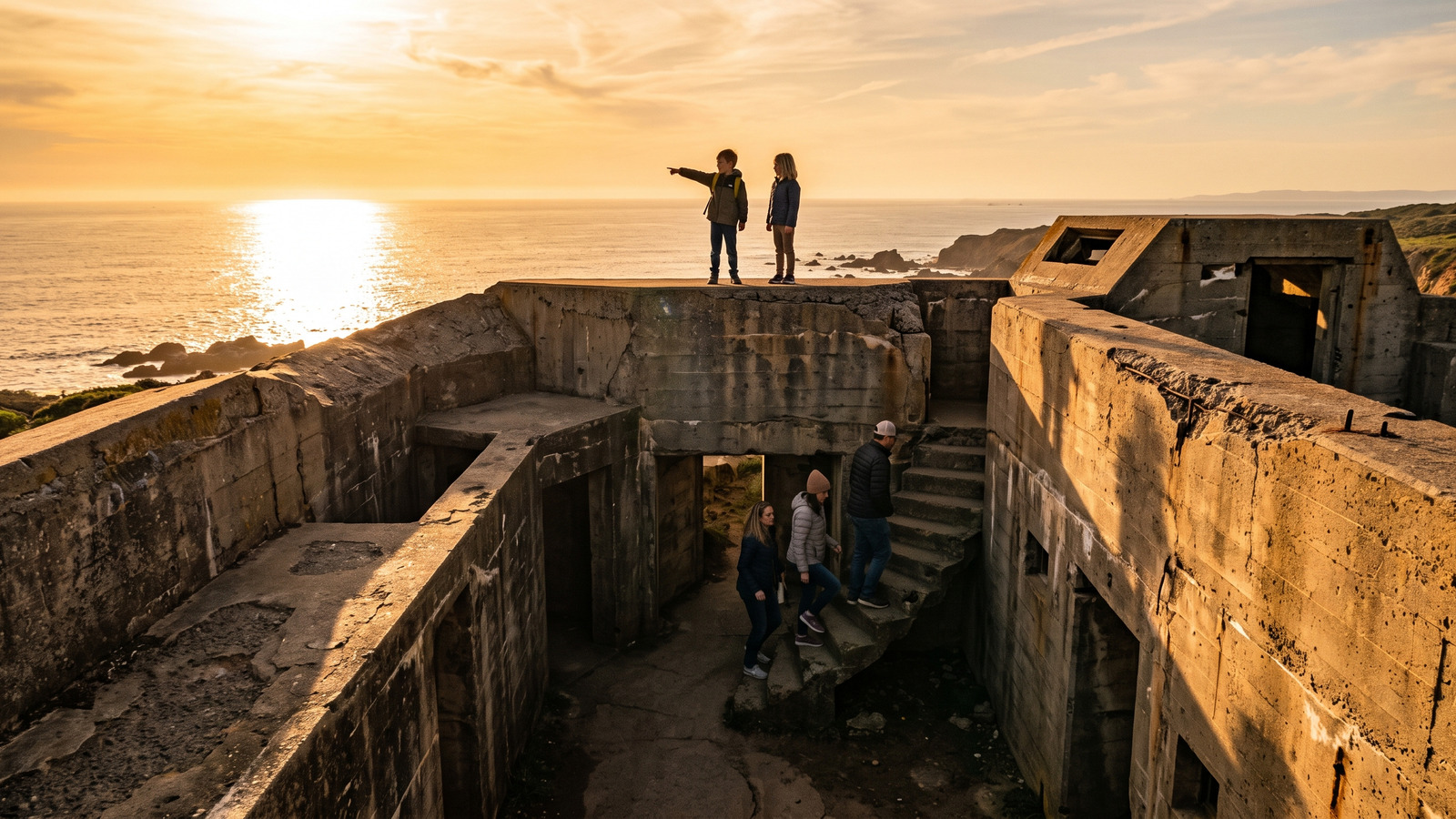
LearnFort De Soto's Hidden Batteries: A Spanish-American War Walk Kids Actually Love
Fort De Soto's Battery Laidley holds the last four 12-inch seacoast mortars of their kind in the continental U.S. The kid-approved history walk.
 Learn
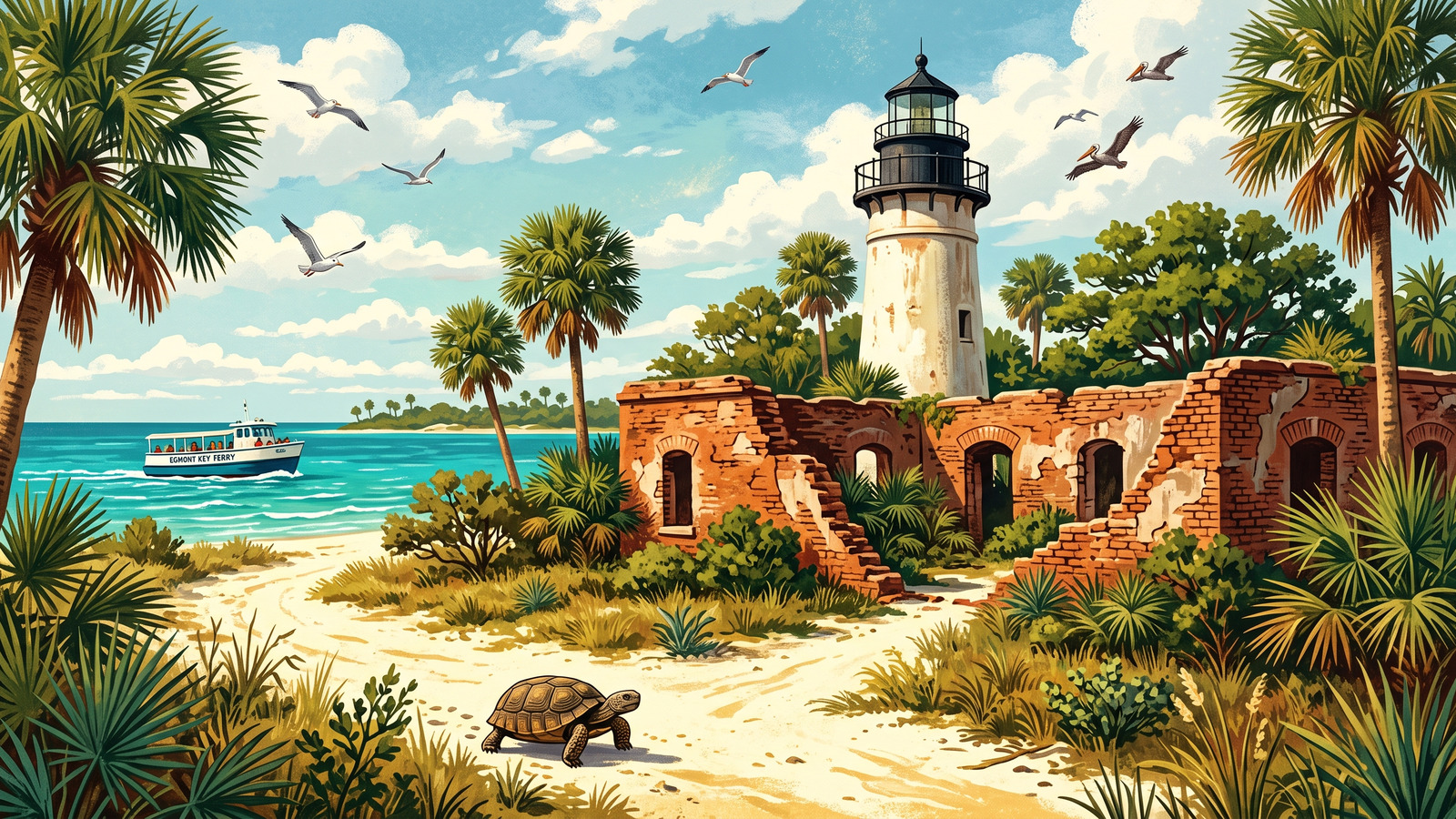
LearnEgmont Key by Ferry: Lighthouse, Fort, and Tampa Bay's Best History Field Trip
Egmont Key packs an 1858 lighthouse, Fort Dade's ruins, brick ghost-town streets, and a ferry ride with dolphins into Tampa Bay's best history field trip.
 Explore
Calm Water Beaches for Little Ones: Where the Gulf Behaves
Tampa Bay's calm water beaches for toddlers and new swimmers: the North Beach lagoon, bay-side sands, and causeway shallows where the gulf behaves.