
Birding with Kids Around Tampa Bay: The Starter Guide (Binoculars Optional)
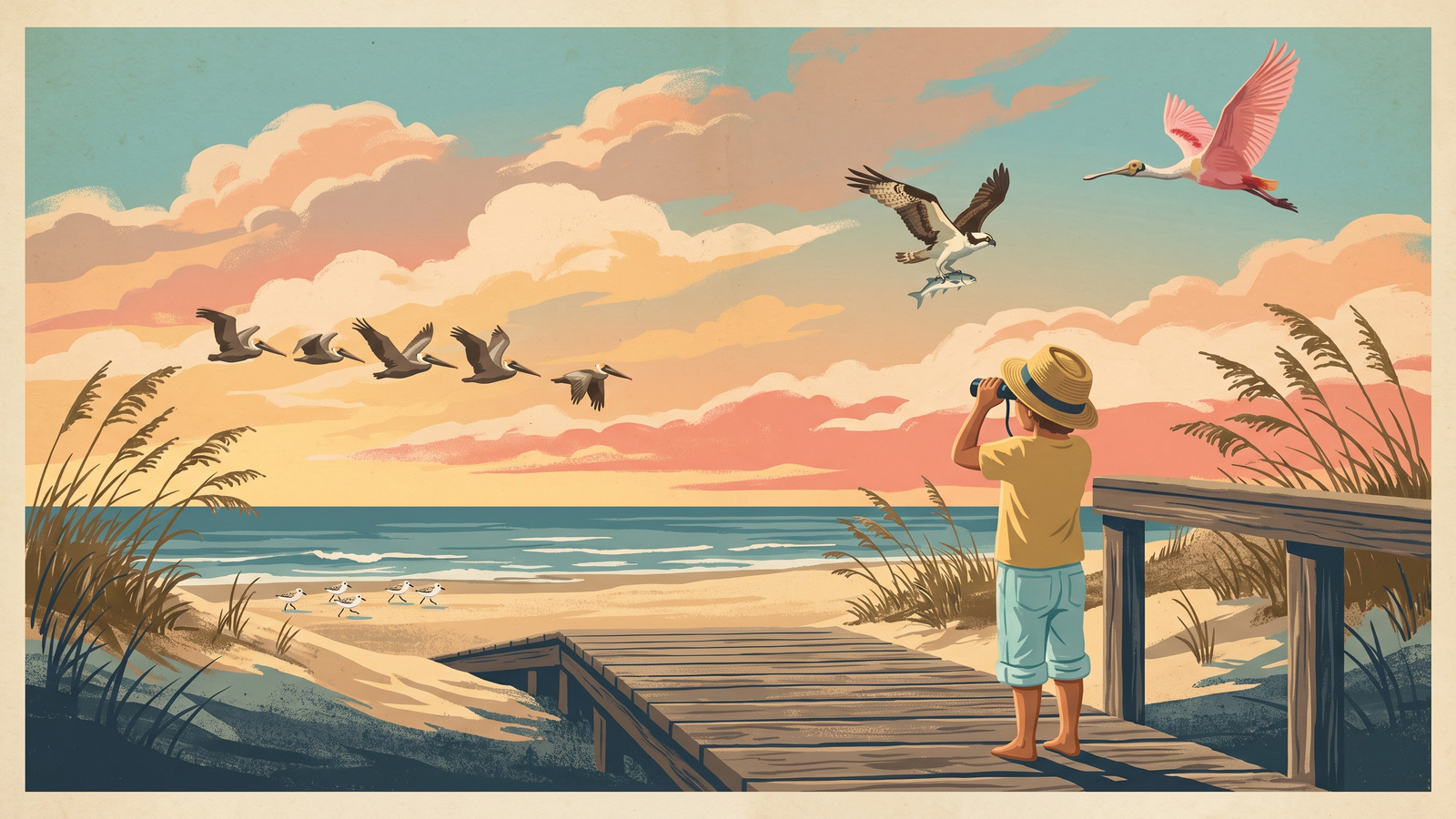
Here is a secret the serious birders flying into Tampa International with their scopes and their life lists already know: your kids live in one of the best places on the continent to learn birds. Not because our birds are hidden treasures requiring patience and skill. The opposite. Our starter birds are enormous, fearless, and theatrical: pelicans crash-diving like thrown anvils, ospreys screaming past with fish, pink spoonbills sweeping the flats. Florida hands beginners a highlight reel, and children, who have sharp eyes and no dignity invested in expertise, take to it faster than their parents.
Why Tampa Bay is the beginner's jackpot
Three facts stack in your family's favor. First, water concentrates birds, and we're surrounded by it: more than 300 species have been recorded at Fort De Soto alone. Second, Florida's wading birds evolved alongside people on beaches and seawalls, so they allow close approach that would be unthinkable elsewhere: a great blue heron shares fishing piers here like a coworker. Third, the state built the infrastructure: the Great Florida Birding and Wildlife Trail links more than 500 sites statewide on a 2,000 mile route, run by FWC, and several of its West-section standouts are our home parks. The world's birders travel here for spring migration. Your kids can be regulars.
The big five: guaranteed first wins
Give kids five birds they cannot miss and cannot confuse, and let mastery snowball from there.
| Bird | Where | The kid hook |
|---|---|---|
| Brown pelican | Any pier or beach | Dive-bombs the water like a dropped piano |
| Osprey | Nest platforms, ballfield lights | Carries fish torpedo-style, headfirst |
| Great blue heron | Piers, ponds, everywhere | Four feet of patience with a spear |
| White ibis | Lawns, parking lots | The curved-bill lawn crew, struts in gangs |
| Roseate spoonbill | Low-tide flats | Pink, famous, and not a flamingo |
Once those five are automatic, the next tier introduces itself: snowy egrets with their gold slippers, cardinals and jays from the backyard feeder, the sandhill cranes running the neighborhood, and the little shorebird puzzles that turn beginners into birders.
The phone trick that hooks kids instantly
Download Merlin, free from the Cornell Lab of Ornithology, and use its sound ID on your next walk: the app listens and names every singing bird in real time, like closed captions for the trees. Kids treat it as a superpower, and it quietly teaches them songs the way lyrics teach melodies. Its sibling app, eBird, turns any family outing into a checklist that feeds real research, meaning a seven-year-old's Saturday list becomes a data point scientists actually use. That pipeline, wonder to contribution, is the whole educational thesis of this site, and it runs beautifully through the Christmas Bird Count each December.
Five starter spots, rotated
Fort De Soto Park: shorebirds, terns, ospreys, and the region's superstar migration woods. Pair with the fort and a beach afternoon.
Boyd Hill Nature Preserve (St. Pete): boardwalks, owls, and the gopher tortoises your kids already know from their landlord story.
Weedon Island Preserve: mangrove boardwalks and an observation tower where herons pose at eye level; the full family guide covers it.
Sawgrass Lake Park (Pinellas Park): a mile of elevated boardwalk over gator-and-heron swamp; stroller-friendly wildness.
Circle B Bar Reserve (Lakeland): the day-trip finale, where cranes, eagles, and whistling-ducks parade at close range and even non-birding relatives surrender.
Habits that make it stick
Keep first outings under an hour and quit while it's still fun. Let kids own the count ("we got eleven species before snack" is a sentence with sequel energy). Go early when birds are busiest, or hit a low tide for the flats crowd. Teach the two ethics young: distance from anything nesting (the roped-off areas have babies inside) and no chasing birds into flight, since every panicked launch costs a bird calories it needed. A junior birder who protects the birds is the finished product; the identification skills are just how we get there.
The Little Naturalist activity
Start the family life list: one shared notebook (or an eBird account), every species ever identified, dated and placed, with the finder's initials. Rule: a bird counts only when someone can name one field mark that clinches it. The list becomes a family document with genuine archival weight, and the race to 50 species (very achievable here by Christmas) gives fall its plot.
Questions families ask
What time of year is best to start?
Now, whatever now is. Fall migration (September, October) and winter bring waves of visitors, spring is the world-class spectacle, and summer mornings hold the resident cast plus nesting drama. Tampa Bay has no off-season, only different programming.
My kid only likes hawks and eagles. Is that okay?
That's not a limitation, that's a specialty. Ospreys nest on half the light poles in Pinellas, bald eagles winter here in numbers, and a raptor-only life list is a legitimate document. Specialists broaden on their own schedule.
How do we bird with a toddler in tow?
Boardwalks and piers: contained, stroller-fine, and set where big birds pose close. Sawgrass Lake and Weedon Island were practically designed for the nap-window outing. Keep it to forty minutes and declare victory at the first heron.
Is birding actually educational or just nice?
Both, and measurably: it trains observation, patience, classification, mapping, seasons, and data-keeping, which is why homeschool families build whole units on it. The starter spots double as field-trip credit, and the notebook doubles as the portfolio.
Questions families ask
How do I start birding with kids who have short attention spans?
Start with the big obvious birds: pelicans, ospreys, herons, and spoonbills, which are enormous, close, and doing dramatic things. Keep first outings under an hour, let kids keep the count, and use the free Merlin app to identify songs on the spot. Attention follows action.
Do kids need binoculars to go birding?
Not at first. Tampa Bay's starter birds are close and huge, which is exactly why this region is the best beginner classroom in America. When a kid is ready, an inexpensive 8x32 pair sized for small hands beats an expensive adult pair they can't hold steady.
What is the best birding app for families?
Merlin, free from the Cornell Lab of Ornithology. Its sound ID listens and names birds singing around you in real time, which feels like magic to kids, and its photo and question-based ID handles the rest. eBird, from the same lab, turns your family lists into real scientific data.
Where should a family bird for the first time near Tampa Bay?
Fort De Soto Park is the classic: shorebirds, ospreys, and pelicans on any day and world-famous migration in spring. Boyd Hill Nature Preserve, Weedon Island's boardwalks, Sawgrass Lake Park, and Circle B Bar Reserve near Lakeland round out the starter five.
Sources
More from the Bae
 Learn
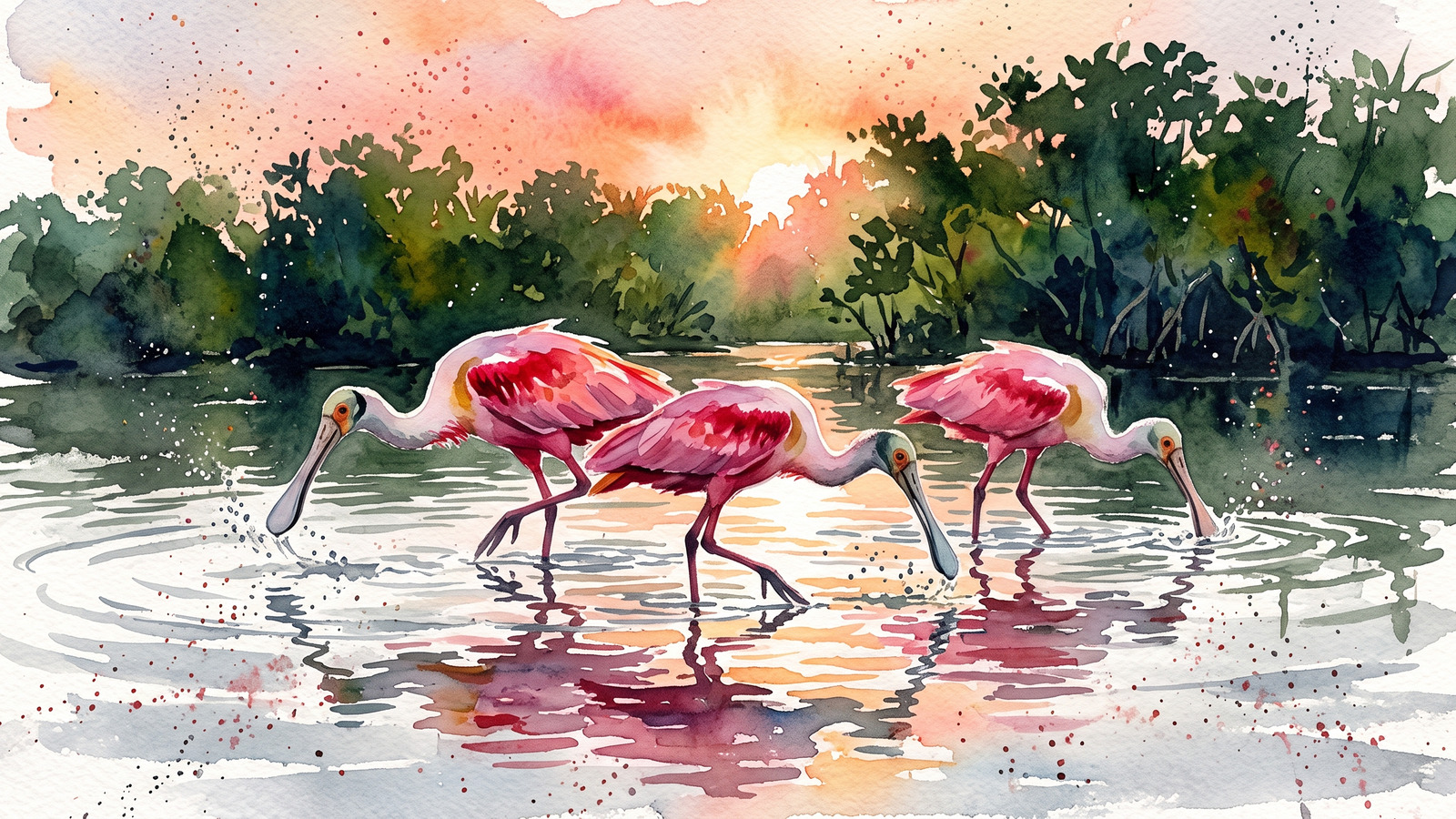
LearnRoseate Spoonbills: Florida's Pink Surprise and Where to Find One This Week
Roseate spoonbills are Tampa Bay's real pink birds. Why they're pink, how they nearly vanished for hats, and where families can see one this week.
 Learn
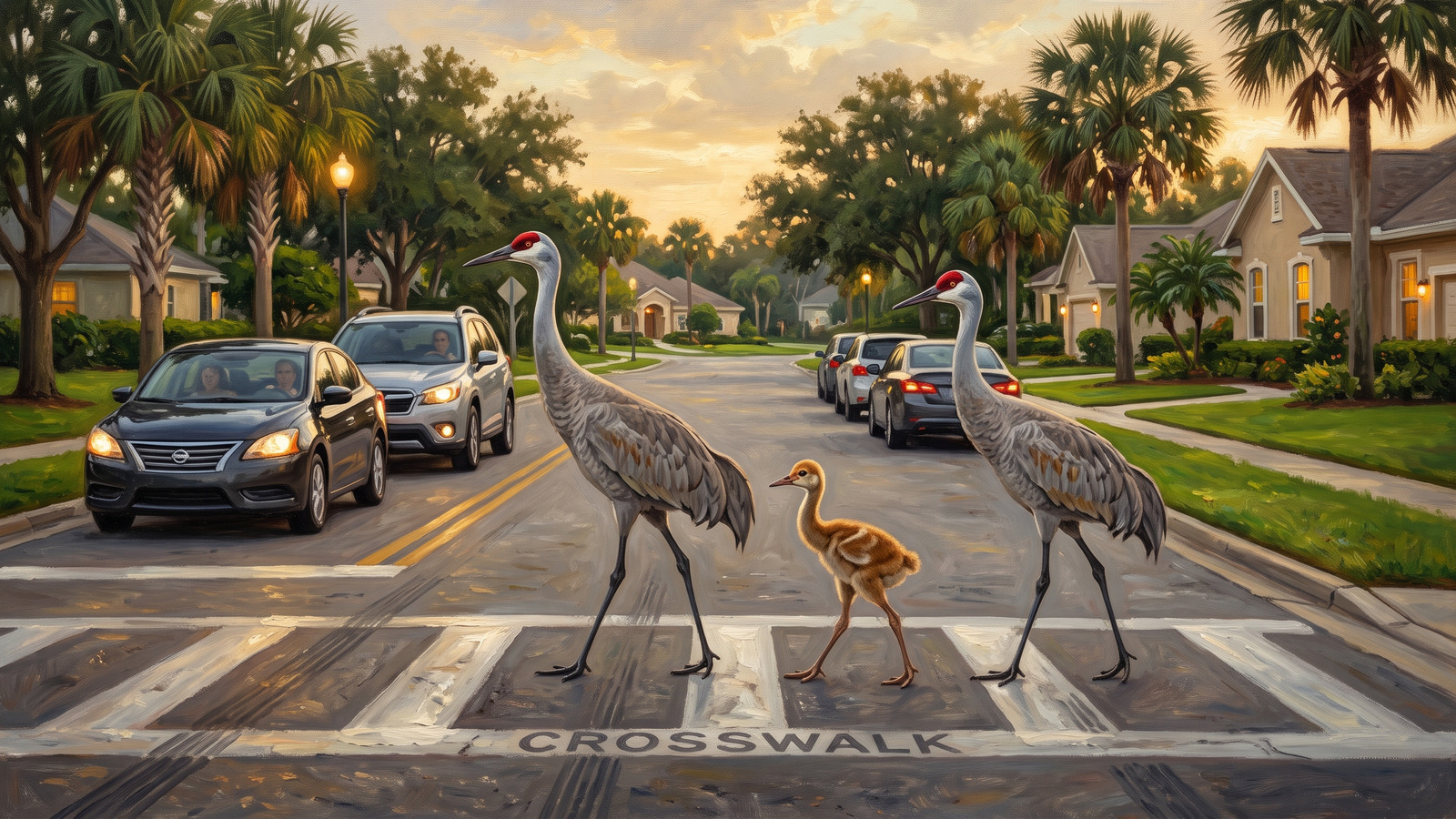
LearnSandhill Cranes in the Neighborhood: Why They're Here and Why We Give Them the Sidewalk
Sandhill cranes stroll Florida neighborhoods like they own them. Why the four-foot birds are here, why feeding them is illegal, and how families coexist.
 Learn
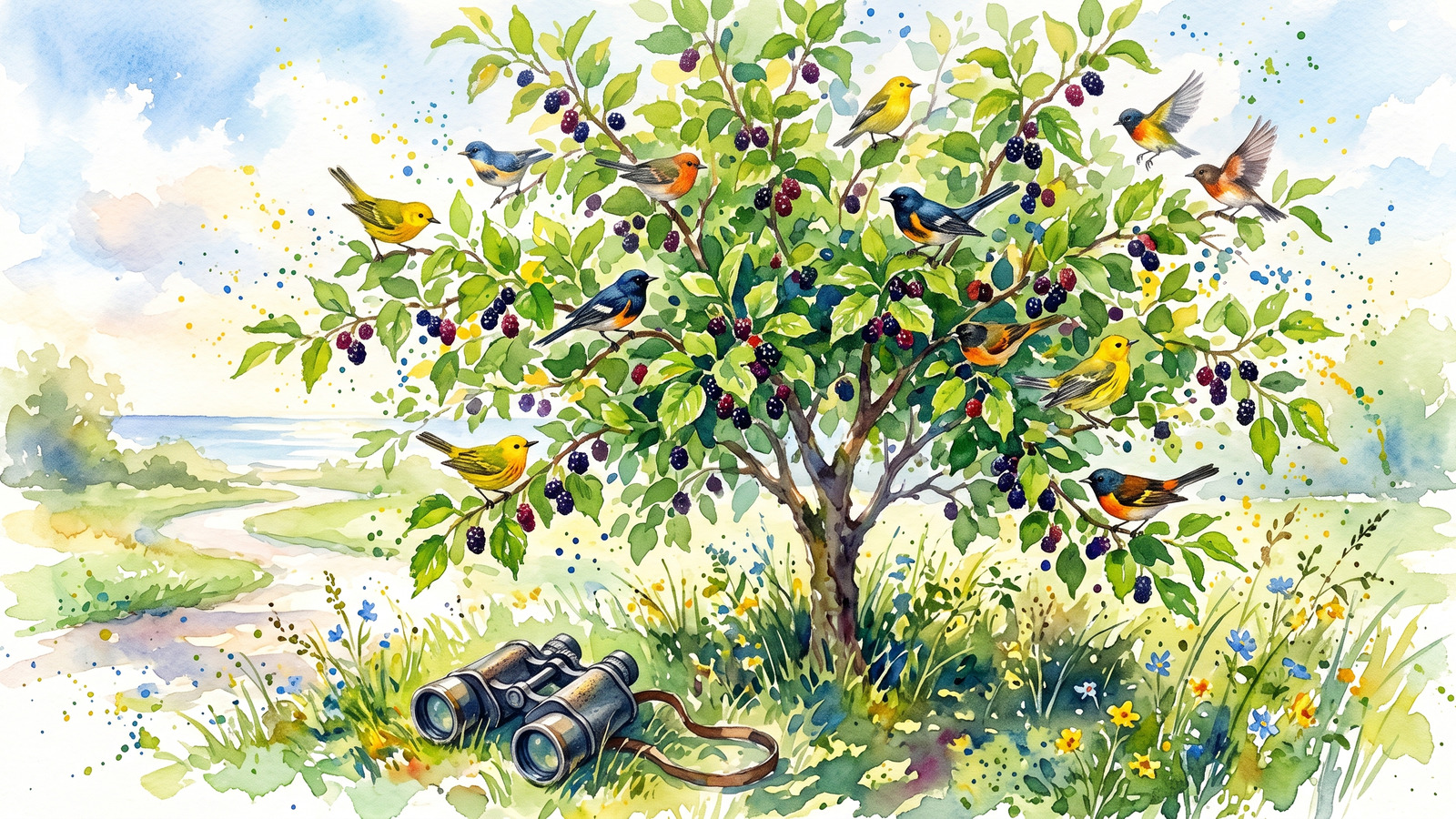
LearnFort De Soto in Migration Season: Why Birders Fly In from Everywhere Each Spring
Every spring, songbirds crossing the Gulf land first at Fort De Soto, and birders fly in from everywhere to greet them. A family migration guide.