Adopt, Sponsor, Volunteer: Family Conservation Programs Around Tampa Bay Worth Joining
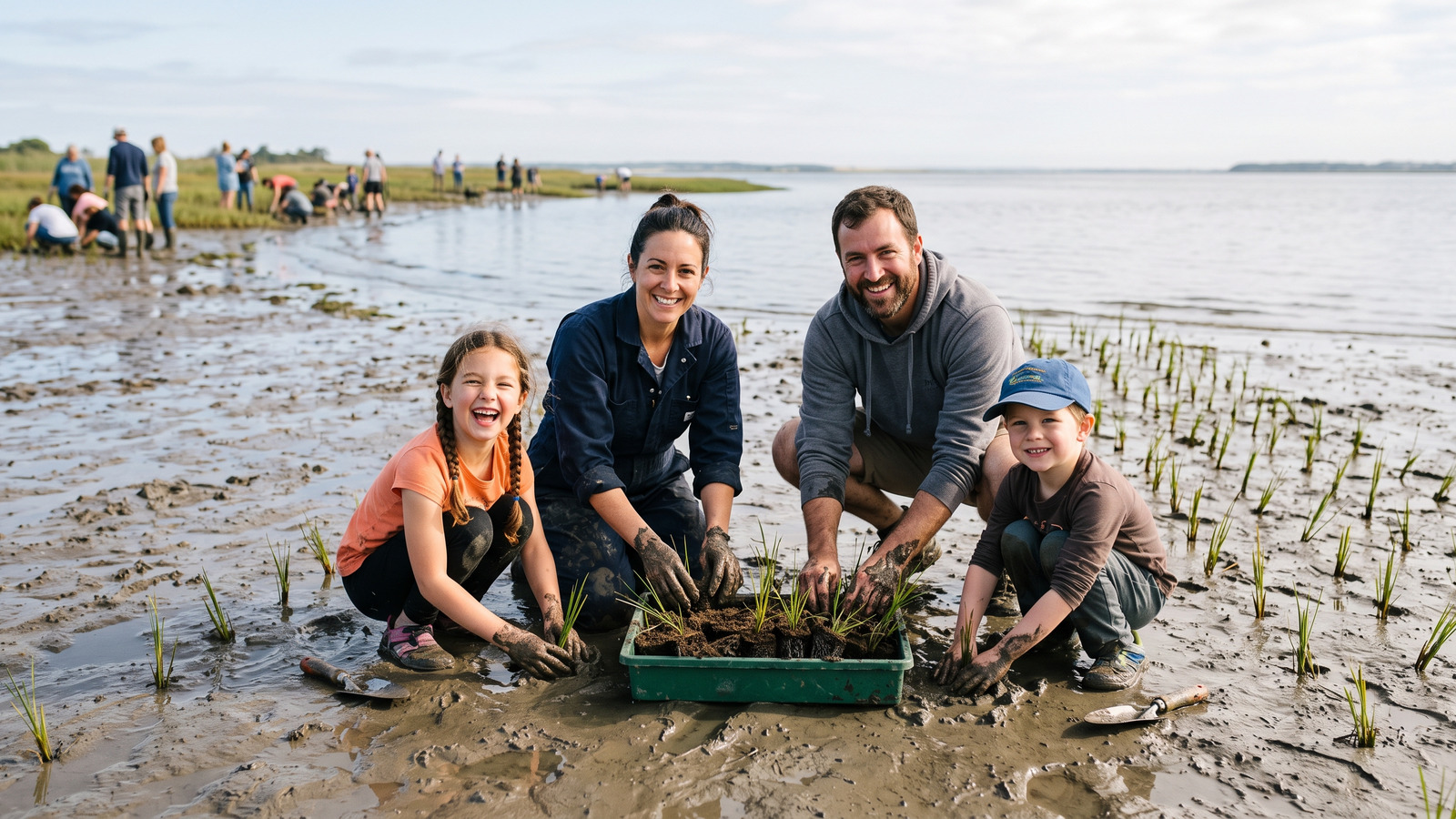
At some point this year, a kid in your house is going to come off a beach day or a manatee morning glowing with purpose and ask the question this entire site has been engineering: "how do we HELP?" That moment is precious, perishable, and frequently fumbled: met with a vague "we'll look into it," it wilts by Wednesday. This article exists so you can answer inside of ten minutes with a real program, a real animal, or a real shovel. Consider it the family conservation menu, local, vetted, and ordered by age.
Adoptions: a name changes everything
The psychology is simple and it works: children bond with individuals, not populations. "Manatees are threatened" is weather; "Rosie, our manatee, was spotted at Blue Spring this week" is family news.
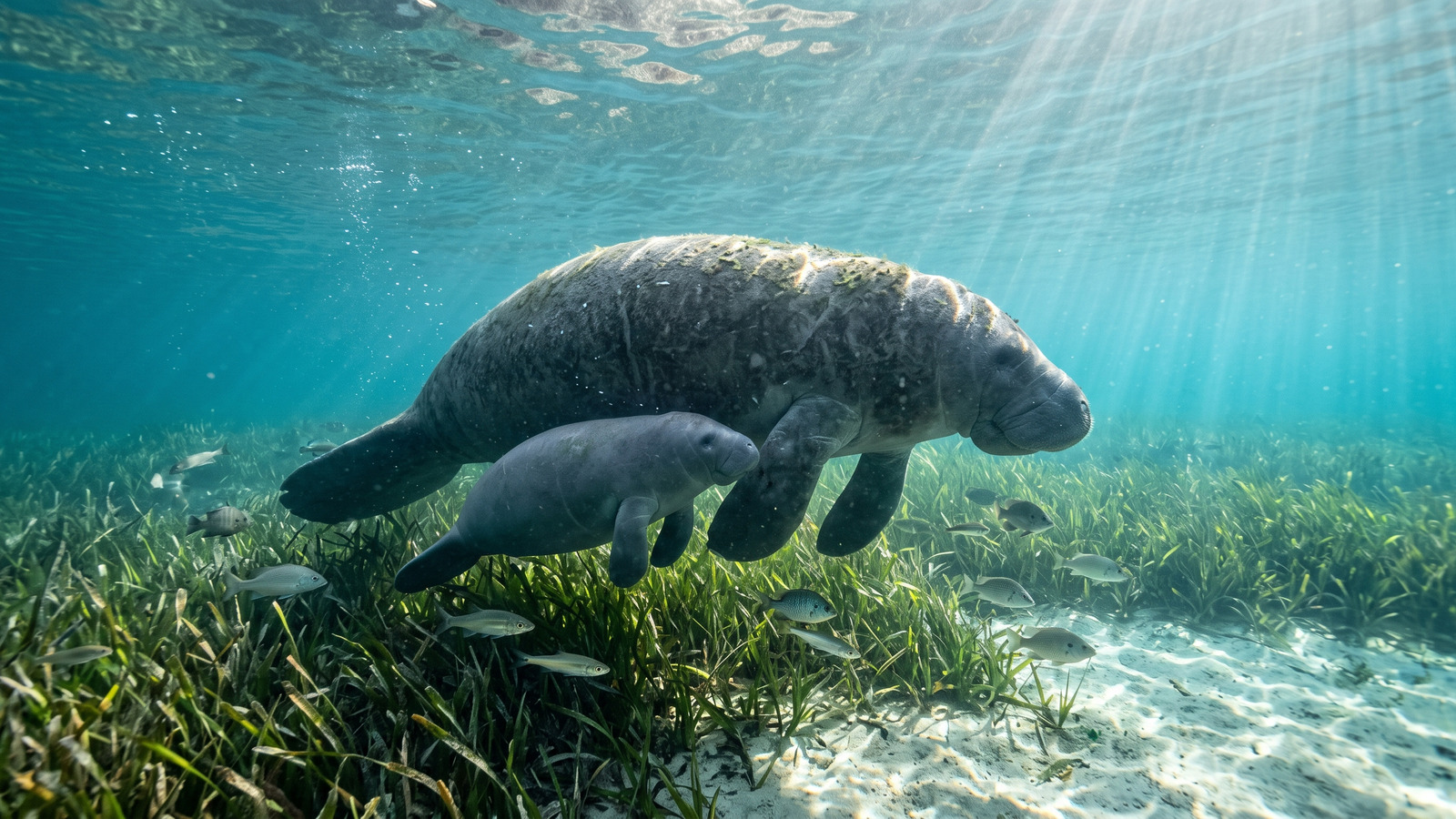
The gold standard is Save the Manatee Club's Adopt-A-Manatee, running since 1981 when singer Jimmy Buffett and then-Governor Bob Graham founded the club: adopters are matched with a real, individually identified manatee (known by scar patterns, as your kids learned at TECO), receive its biography, photo, and updates, and fund rescue, research, and advocacy with adoption fees starting around the cost of one pizza per year. Several adoptable manatees winter at Florida springs your family can actually visit, which converts the certificate on the bedroom wall into a pilgrimage destination: meeting "your" manatee in person is a core memory on layaway.
The same model extends across the coast's cast: sea turtle organizations and the Clearwater Marine Aquarium's rescue work offer animal sponsorships tied to real patients, and shorebird and raptor centers run parallel programs. One rule keeps it meaningful: one animal per kid, chosen by the kid, renewed annually as their own small budget line.
Hands-on: the family workforce
| The program | The work | Best ages |
|---|---|---|
| Beach cleanups (Keep Pinellas Beautiful and others) | Grabbers, buckets, data cards | Everyone walking |
| Tampa Bay Watch family days | Oyster bagging and reef builds, salt marsh planting | Grade school up |
| Audubon coastal bird stewards | Staffing the rope lines, showing beachgoers chicks through scopes | Teens with adults |
| Turtle organization events | Dune plantings, awareness tables, lighting surveys | Family-wide |
| Preserve workdays (county parks) | Invasive pulls, trail care at places like Weedon | Grade school up |
Two honest notes from the volunteer-coordinator trenches: sign up ahead (family slots at the good events fill), and let kids own a full role rather than shadowing yours: the child handed the clipboard, the scope, or the shell bag works twice as hard and comes back. These organizations know this, which is why the family days exist.
Citizen science: the long game
The quiet superpower of this region, threaded through the whole series: your family can feed real datasets year-round without an event on the calendar. The Christmas Bird Count each December, Project FeederWatch from the breakfast window, horseshoe crab spawning reports on moon tides, fish kill and red tide reports when conditions warrant, and the family bay gauge as private practice for all of it. A kid who grows up filing observations doesn't experience conservation as charity; they experience it as participation in how the coast is known.
Vetting: the three-question filter
Teach older kids to run this filter on any program that asks for the family's money or time, because the skill outlasts every specific charity: Can we see the work? (Local footprint, joinable events, visitable sites: every program above, yes.) Can we follow the money? (Annual reports, charity ratings, plain answers: legitimate groups volunteer this.) Is the outcome animals and habitat, or mostly merchandise? (A plush toy is fine as a receipt; it shouldn't be the product.) Running the filter together on a candidate program is itself a civics lesson, and the programs named here were chosen because they pass it with room to spare.
The Little Naturalist activity
Hold the family conservation draft: list the options from this article on cards, give each family member one pick and one veto, and draft the household's official portfolio for the year: one adoption, one hands-on commitment, one citizen science practice. Post the roster on the fridge beside the bay gauge log. Kids who drafted their commitments defend them like team loyalties, renewal becomes an annual family ritual, and the question "how do we help" has a standing answer with their handwriting on it.
Questions families ask
Are these programs tax-deductible or just feel-good?
The named organizations are established nonprofits, and adoption and membership fees are generally deductible per their guidance: keep the receipts and teach the teens what that means. The feel-good is real too; the two coexist by design.
What about big national or international charities?
Nothing against them, but this site's counsel is local-first for families: work you can drive to builds children in ways a distant logo can't, and this bay's comeback was fueled by exactly that ethic. Master the local ladder; add the global layer when kids are old enough to research it themselves with the three-question filter.
Our schedule is chaos. What's the minimum viable version?
One adoption (ten minutes, once a year) plus the ten-minute exit sweep on beach days you're taking anyway. That's a genuine conservation practice, no calendar required, and it upgrades naturally in seasons when life loosens.
Can grandparents or far-away family join in?
Perfectly: adoptions gift across any distance, the Christmas count and FeederWatch run anywhere in the country, and visiting relatives can be drafted onto cleanup crews with the promise of the weird-find leaderboard. Conservation as family culture travels; that's rather the point.
Questions families ask
Can you really adopt a manatee?
Yes, and it's the classic: Save the Manatee Club's Adopt-A-Manatee program (co-founded in 1981 by Jimmy Buffett and then-Governor Bob Graham) matches you with a real, named, individually known manatee. An adoption costs about the price of a pizza per year and funds rescue, research, and advocacy.
What conservation volunteering actually welcomes kids?
Around Tampa Bay, plenty: beach cleanups (all ages), Tampa Bay Watch oyster and habitat builds (family days), Audubon's bird stewarding at nesting colonies (great for teens alongside parents), horseshoe crab and FeederWatch counts from any age, and turtle-organization events on the beaches.
How do we know a program is legitimate?
Look for three things: a real local footprint you can visit or join in person, transparency about where money goes (annual reports, charity ratings), and outcomes measured in habitat or animals rather than merchandise. Every program named in this article clears that bar.
What's the best starter program for a young family?
A manatee adoption plus one cleanup: the adoption gives kids a named animal to care about all year, and the cleanup gives their hands something to do about it. Add citizen science (bird counts, horseshoe crab reports) as they grow into it.
Sources
More from the Bae
 Protect
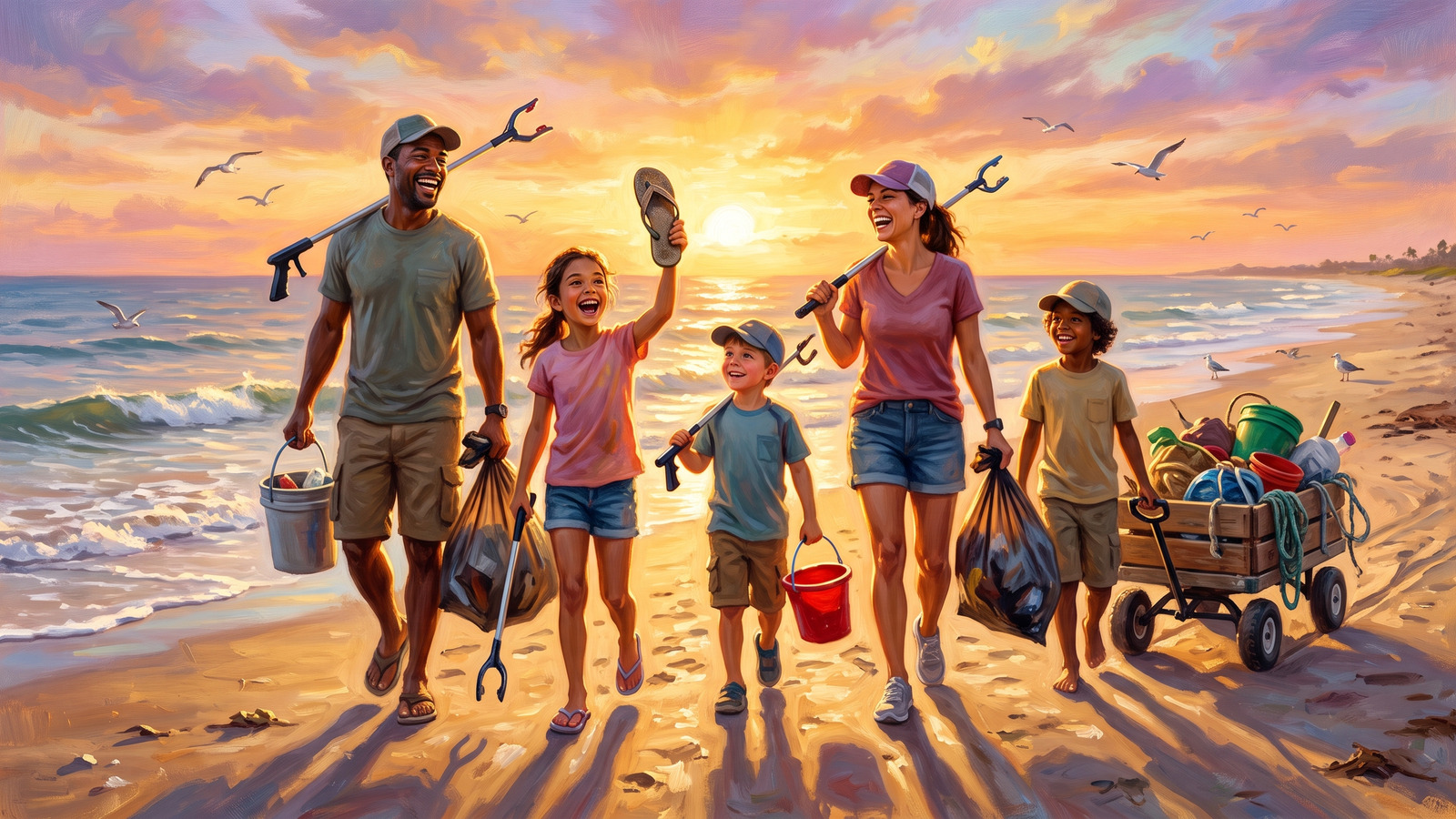
Beach Cleanups with Kids: Where to Join One and How to Start Your Own
Beach cleanups with kids around Tampa Bay: Keep Pinellas Beautiful events, September's International Coastal Cleanup, and the DIY family kit.
 Protect
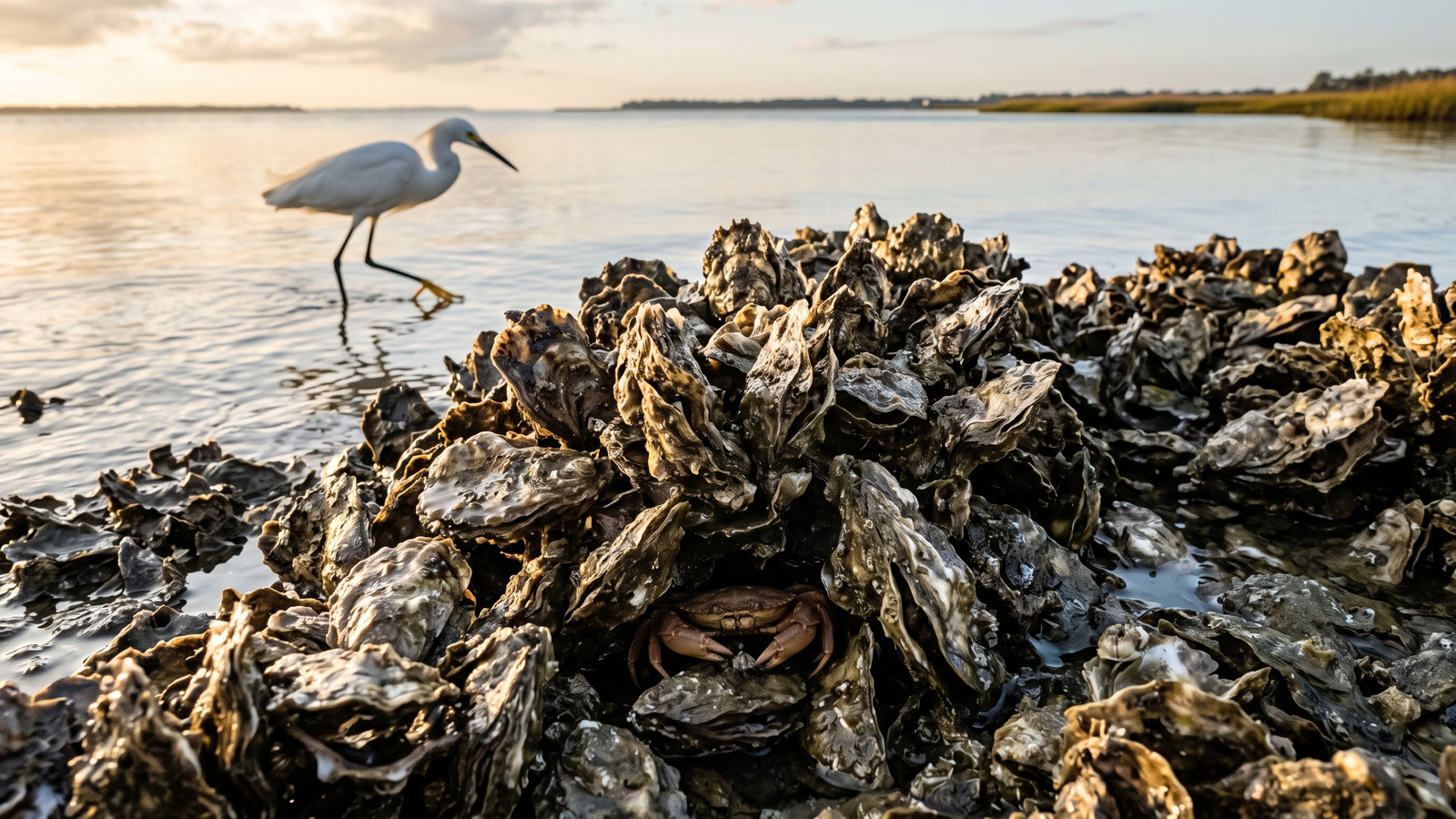
Oyster Reefs: The Bay's Living Water Filters and the Volunteers Rebuilding Them
One oyster filters two gallons an hour, and Tampa Bay lost 85 percent of its reefs. The shell recycling and family builds bringing them back.
 Learn
LearnManatees for Families: Where to See Them Near Tampa Bay and the Rules That Keep Them Safe
Where to see manatees near Tampa Bay: the free TECO Manatee Viewing Center opens November 1, plus the look-don't-touch rules families should know.