
Shell Key by Ferry or Paddle: The Wild Island Afternoon Your Kids Will Remember
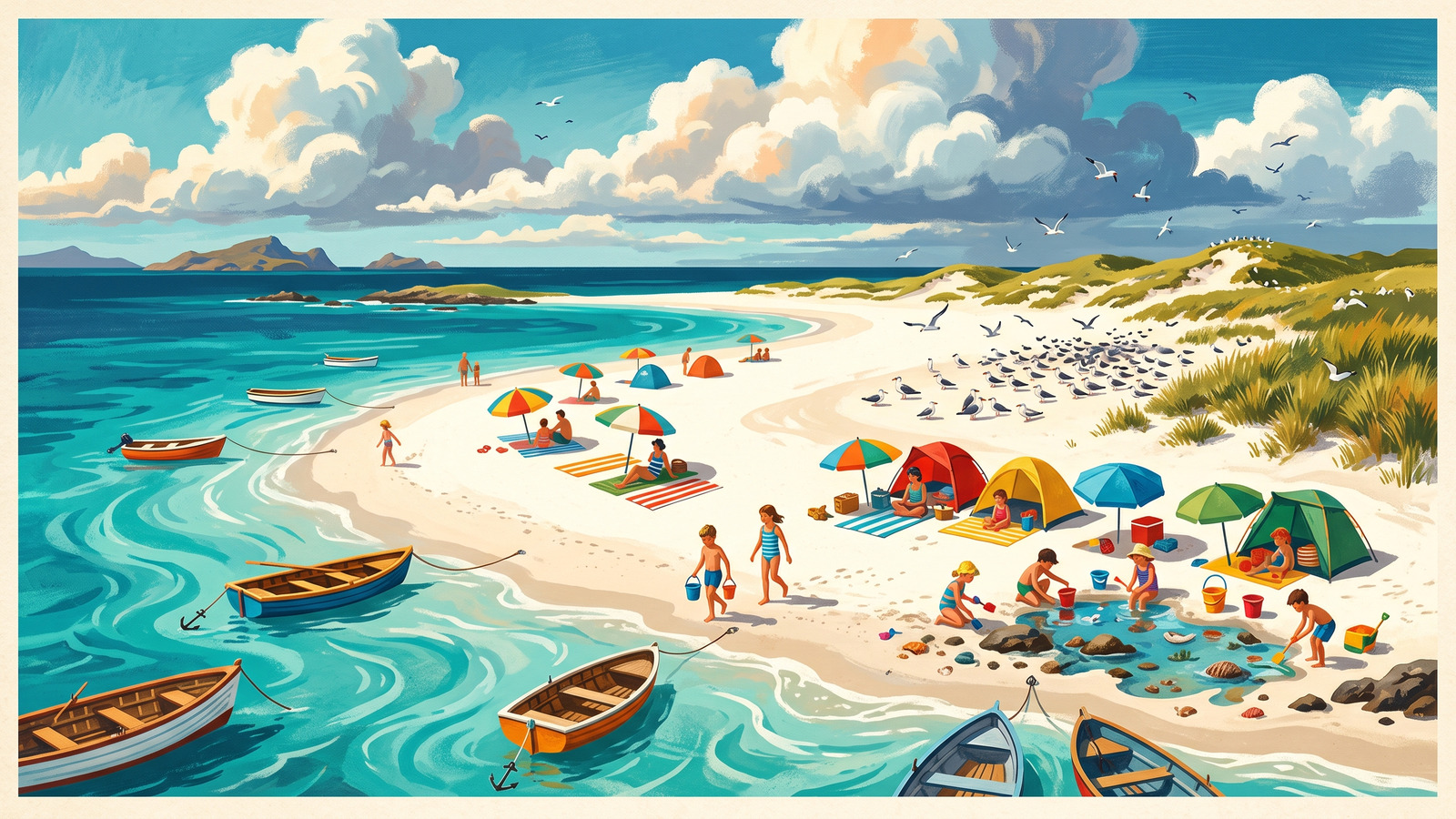
Ask your kids to name an island with no buildings, no roads, no power lines, no snack bar, and no way to reach it but boat, and they'll place it somewhere expensive and far: the Pacific, maybe the Keys. The correct answer floats fifteen minutes off Pass-a-Grille. Shell Key is one of Florida's last undeveloped barrier islands, a comma of white sand between the gulf and the grass flats, owned functionally by shorebirds, sea turtles, and whoever rode the morning shuttle. Taking your family there is the cheapest expedition in the region, and it teaches something no built beach can: what the coast was, everywhere, before us.
An island with a job
Frame it for the crew on the crossing: most barrier islands hereabouts got bridges, seawalls, and condos; Shell Key kept its original employment. It still does what barrier islands are for: absorbing the gulf's energy so the mangrove nurseries behind it stay calm, rebuilding itself grain by grain after every storm, and hosting the beach-nesting birds and summer turtle nests that developed coastlines squeezed out. That's why Pinellas County holds it as a preserve, why the interior and large marked stretches are closed sanctuary (the rope-and-respect rules apply island-wide, uniformed by driftwood and signage), and why the no-pets rule is absolute: to a skimmer colony, the sweetest dog is a wolf. The open sections (the gulf beach and designated areas the shuttle lands you among) are yours; the island's working zones are its own.
Getting there: three doors
| The route | The experience | Best for |
|---|---|---|
| Shell Key Shuttle from Merry Pier | Short narrated crossing, several departures daily, dolphins freelancing alongside | The classic family first trip |
| Ferry/tour operators (Fort De Soto, St. Pete Beach) | Often paired with dolphin-watching or snorkel stops | Combo-day families |
| Kayak or paddleboard | Cross from nearby launches on calm mornings; land only on open beach zones | Experienced paddle crews |
The shuttle is the family standard: reserve in season, catch a morning boat out and an afternoon return (mind the posted last boat like it's a law of physics, because on an island with no vending machine, it functionally is), and enjoy the built-in briefing: crews point out sanctuary boundaries, dolphins usually audit the crossing, and kids arrive already halfway feral in the best way. Paddlers get the sunrise version: glassy crossings, sandbar rest stops, and the smug of arriving under their own power, with the standard jacket and tide homework done first.
The day itself: engineered emptiness
Structure a Shell Key day like a friendly expedition, because the island supplies nothing but the good parts. The base camp goes up first (umbrella or shade tent, anchored well: the sea breeze auditions everything), water gets rationed visibly (a gallon jug on the towel teaches better than nagging), and the day then rotates through the island's three rooms: the gulf beach for swimming and the shell drifts (see below), the lagoon and sandbar shallows on the inside for little-kid wading, ray-spotting, and the tide pool economy at low water, and the wrack line promenade for the naturalist hour: this is the least-raked, least-trampled beach in the county, which makes its wrack the best free museum on the coast: seagrass blades to ID, horseshoe crab molts, whelk egg case spirals, sea beans, and the occasional treasure that headlines the family field guide.
The shelling deserves its billing: with no buildings and fewer feet, Shell Key's drifts accumulate like nowhere else nearby: whelks, olives, tulips, sand dollars (the velvet test, always), and after storms, the serious collectors' finds. The full shelling craft has its own article; here, the code suffices: empty homes only, reasonable numbers, best specimen photographed before pocketed.
The Little Naturalist activity
Commission the island survey: with no signage or brochures to lean on, have kids map Shell Key themselves: pace the beach width, sketch the island's rooms (gulf side, lagoon, closed sanctuary marked with proper respect), log ten species by evidence (tracks, shells, feathers, sightings), and note one thing changing (the tide line's creep, a sandbar's drift). It's the Egmont ghost-town mapping exercise aimed at pure nature, and the resulting chart, pinned above a bed, outperforms any souvenir the island refused to sell them.
Questions families ask
Can we camp overnight on Shell Key?
Primitive camping is permitted only in the designated area at the island's south end with a county permit arranged ahead: no facilities, full pack-out, and sanctuary rules in force. It's a genuine adventure for older-kid families who've mastered the day-trip version first; the camping guide covers the local ladder.
Is the swimming safe with no lifeguards?
It's unguarded wild beach, so the family protocols carry the whole load: flag-day thinking without flags (assess surf before entry), the rip drill fresh, jackets on young swimmers, adults in the water with kids, and the gulf side respected on rough days while the lagoon side forgives everything. Prepared families swim happily; casual ones should stay shuttle-side.
What about restrooms, honestly?
Honestly: go before the boat, plan a mid-length stay (three to four hours is the family sweet spot), and know the shuttle's schedule back. The island's emptiness is a feature with logistics attached, and every local family calibrates once and forever after packs accordingly.
When's the best season?
Fall through spring for weather, winter's negative low tides for maximum sandbar and shelling, and any post-storm week for the drift-line jackpot. Summer works at morning hours with serious shade discipline, and turtle season rules run the calendar's warm half: flat sand, no holes left, lights and flash off if you're ever there at dusk.
Questions families ask
How do you get to Shell Key?
By water only: the Shell Key Shuttle runs from Pass-a-Grille's Merry Pier several times daily, ferry operators run trips from Fort De Soto and St. Pete Beach, and paddlers reach it by kayak from nearby launches. No bridge, no dock development, no cars: that's the entire point.
What is there to do on Shell Key with kids?
Shelling that ranks with Florida's best, swimming on the gulf side, wading the sandbars and lagoon shallows, birdwatching (much of the island is a protected sanctuary), and the rare experience of a barrier island exactly as nature builds them: no snack bar, no restrooms, no shade but what you carry.
Are dogs allowed on Shell Key?
No: pets are prohibited throughout the preserve, because the island is a critical nesting sanctuary for shorebirds and sea turtles. The dog-friendly alternative is Fort De Soto's paw playground across the channel; Shell Key belongs to the birds.
Is there shade or facilities on Shell Key?
None: no restrooms, no water fountains, no vendors, no shade structures. Families bring everything (umbrella, water beyond what seems reasonable, snacks) and carry every scrap back out. The shuttle briefing covers it, and prepared families find the emptiness is exactly the magic.
Sources
More from the Bae
 Learn
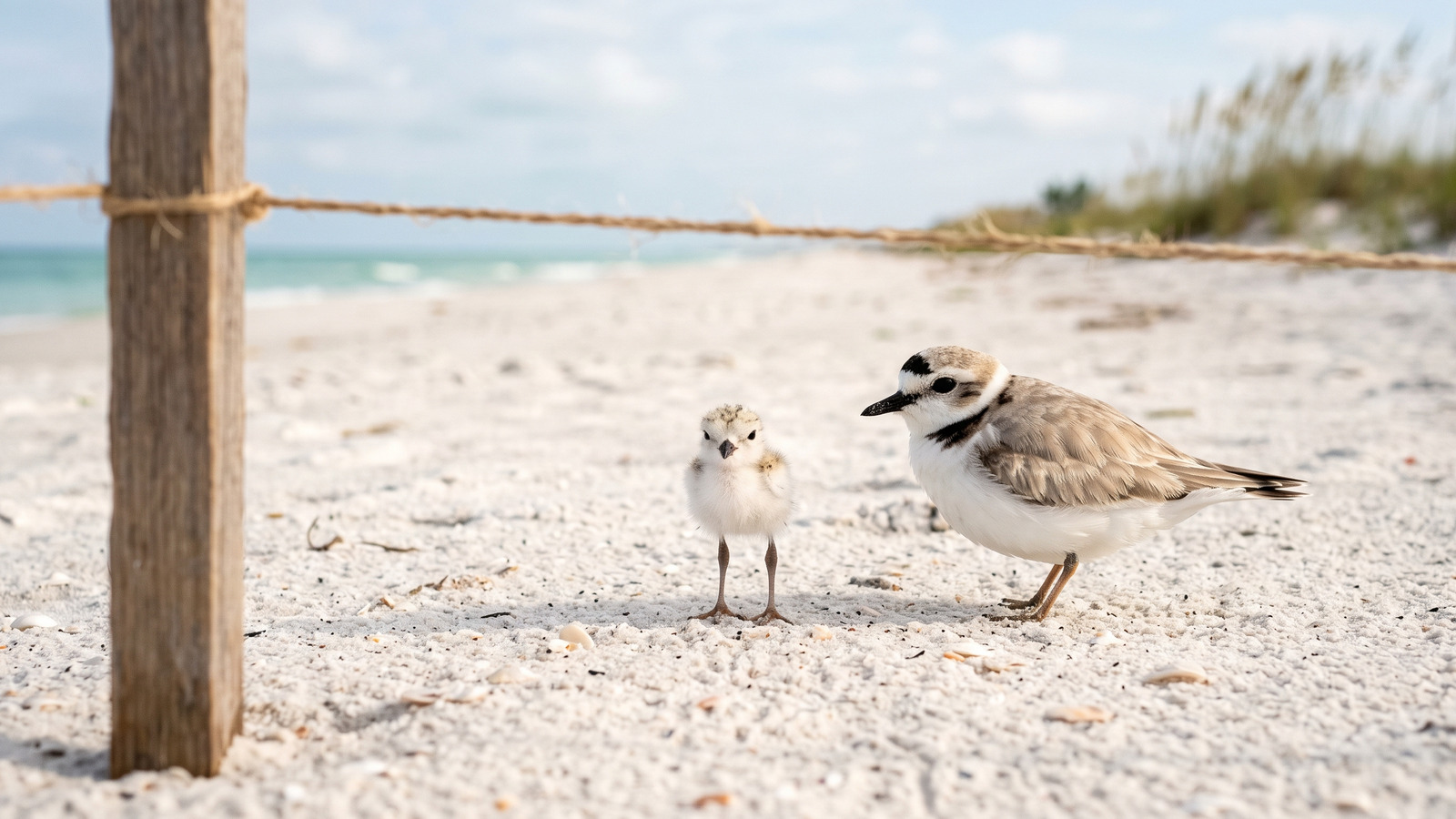
LearnBaby Shorebirds on Our Beaches: What the Roped-Off Areas Protect, and How to Teach the Why
Those roped-off beach areas protect eggs and chicks you can't see: skimmers, terns, and plovers nesting February 15 to August 31 on Tampa Bay sand.
 Protect
Leave It Better: Teaching Kids the Leave No Trace Rules, Beach Edition
The seven Leave No Trace principles for Florida beach families: shells and sand dollars, dunes and sea oats, wildlife space, leaving it better.
 Explore
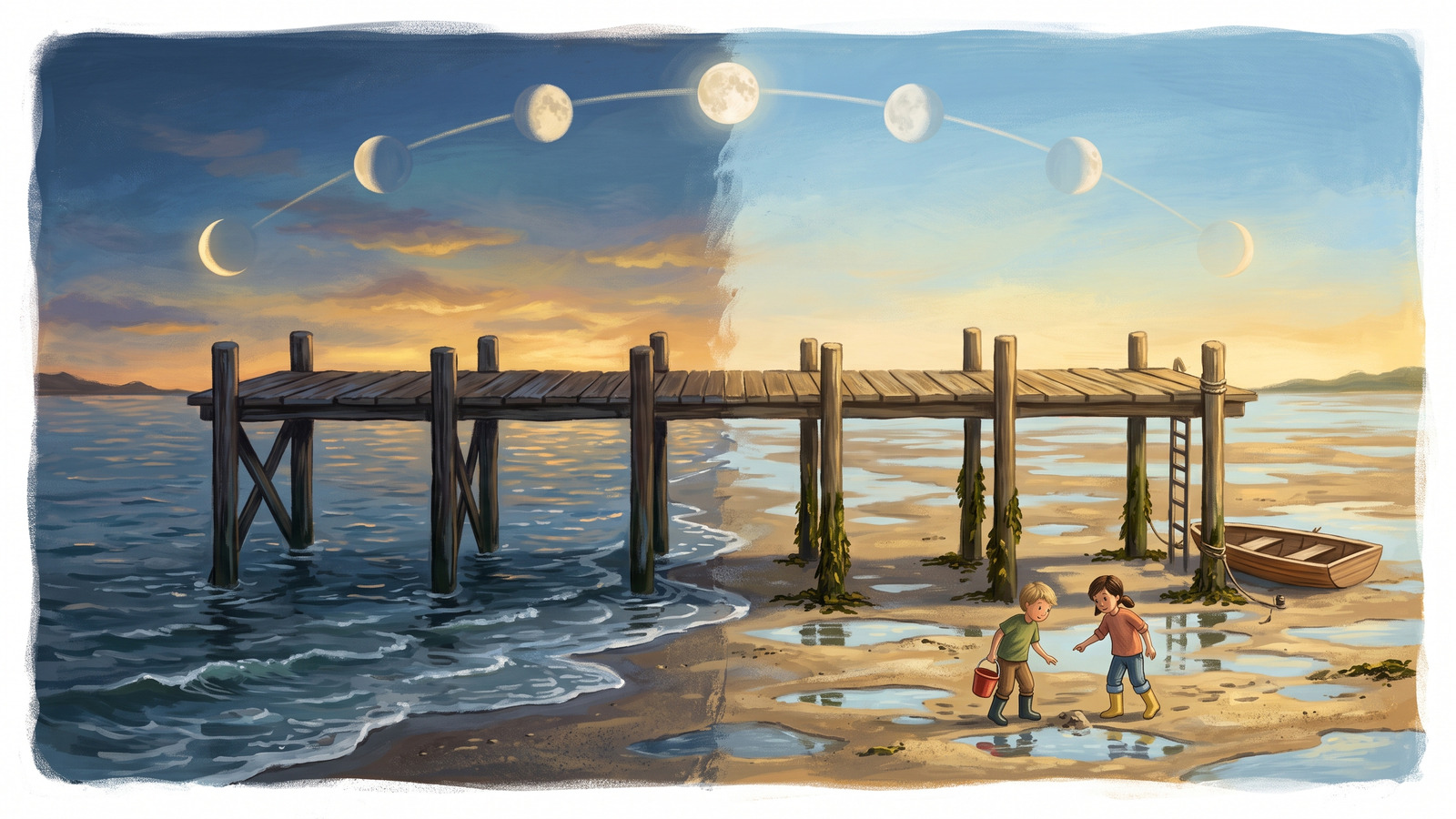
Tides 101 for Families: How to Read a Tide Chart and Plan a Better Beach Day
How to read a tide chart, why Tampa Bay's tides are quirky, and the family cheat sheet matching low tide, high tide, and moon phases to activities.