
The Sandbar Day, Done Right: Anchoring, Etiquette, and Snacks That Survive
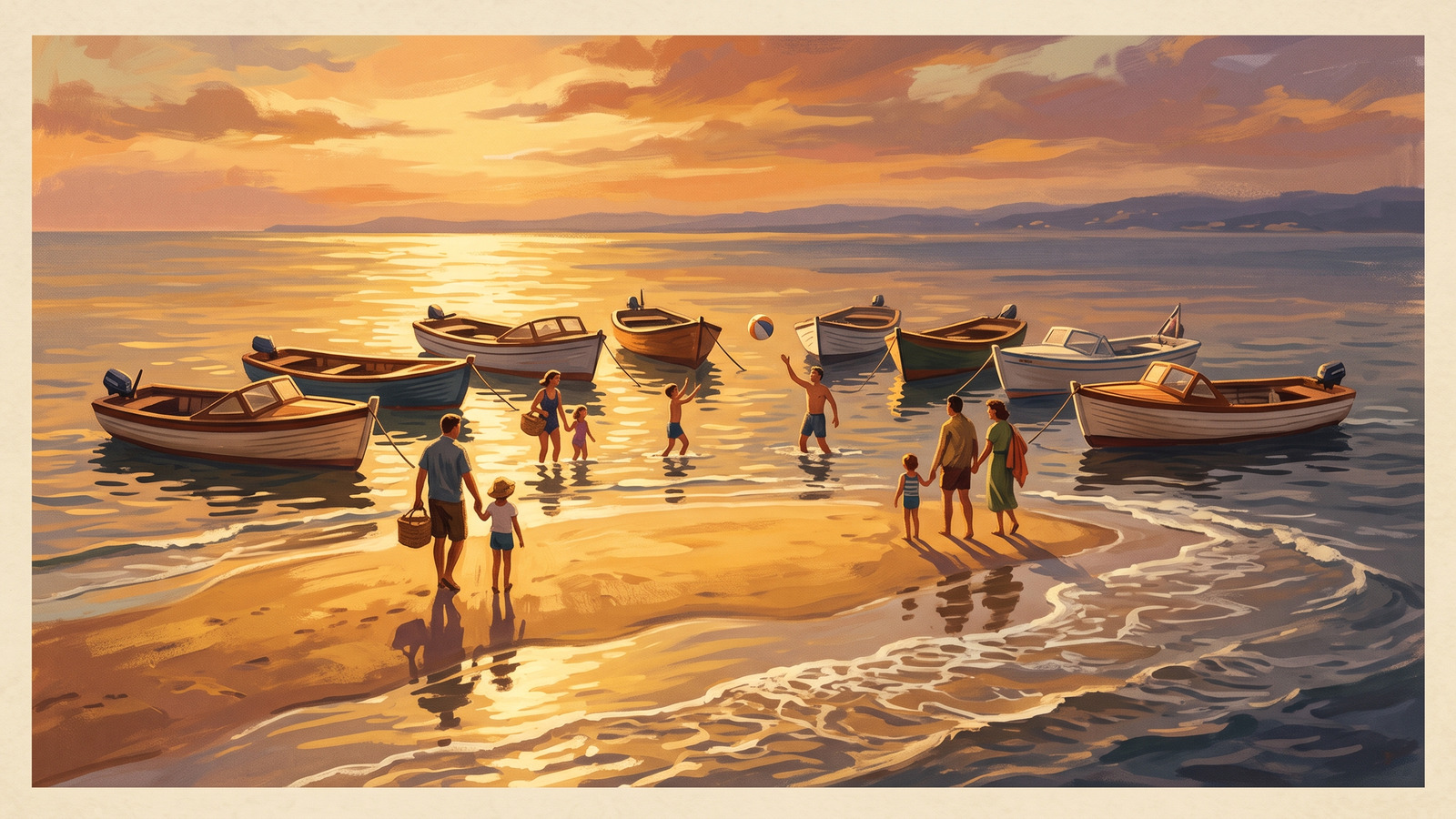
There is a particular happiness that exists only in waist-deep water over clean sand, half a mile from shore: kids "swimming" in a pool with no walls, adults standing in a circle solving nothing, a cooler floating on its own leash like a well-behaved pet, and the whole bay spread out flat and glittering to the horizon. The sandbar day is the gulf coast's signature social invention: part beach, part boat, part front porch, and it runs entirely on tide math and manners. Done right, it's the easiest great day your family owns. Done wrong, it's a grounded boat, a scarred meadow, and a lecture from a stranger in a captain's hat. Here's the done-right version.
Choosing your bar
Not all shallows are sandbars, and the difference is the whole game: a proper family bar is bare sand (bright, clean-bottomed, standing-depth at low tide), not a grass flat (dark, meadowed, off-limits to anchors and feet alike: that's the bay's food supply, and it's often protected). Around Tampa Bay, the famous venues sort by personality: the bars off Shell Key for the wild-island backdrop, the Fort De Soto and Bunces Pass shoals for space and dolphin traffic, and the Intracoastal's local bars for calm water and short runs: your first-boat-day route already sails past several. Read the water color like the locals taught you (bright equals sand and shallow, dark equals grass or deep), confirm on the chart, and note which bars your crowd's manatee zones border, because idle approaches are usually the law and always the manners.
Anchoring: the ten-minute skill
The sandbar anchor set is beginner-friendly and worth doing ceremonially right. Approach dead slow from the deep side with the bow watch calling bottom. In clean sand short of the bar, drop the bow anchor, pay out generous scope, and set it by hand: walk it in, bury the flukes, tug like you mean it. Now the two checks that separate captains from cautionary tales: swing (where does the boat drift as tide and wind shift? clear of neighbors and the bar itself?) and tide direction (on a falling tide, anchor in enough depth that you're still floating at dead low: the classic sandbar embarrassment is a boat high and dry until midnight, which makes a memory but not the kind you booked). Stern-to-the-bar with the swim zone between boat and sand, engine off and props trimmed up before the first kid hits the water, and the dive flag up if swimmers stray boatward.
The etiquette, spoken plainly
Sandbars are commons, and commons run on the same rules as good campgrounds:
| The code | The reason |
|---|---|
| Anchor with real space between boats | Swing room, swim room, and everyone's music stays theirs |
| Volume at your-own-boat level | The bar hosts babies, herons, and people escaping noise |
| Swim zone between your boat and the bar | Never behind any boat's stern; props are the one rule with no second chances |
| Jackets on young kids, standing or not | Bars drop off at their edges; the law rides along |
| No glass, ever | Bare feet and forever-shards share the sand |
| Pack out all of it | The bar submerges tonight; anything left joins the bay |
| Watch your wake arriving and leaving | Idle in, idle out; wakes swamp toddlers and tick off manatees |
| The walk-back rule for kids | Wanderers return at the first ankle-deep rise; bars shrink from the edges in |
That last line deserves its sentence: rising water refills a bar from all sides, and a kid who wandered two hundred yards down the shoal at dead low can find deep water between them and the boat an hour later. The family rule is structural: when the tide turns, the roam radius shrinks, announced once by the captain and enforced by the flag officer's younger sibling, who has been waiting all day for jurisdiction.
Snack science: the floating buffet
Saltwater humiliates unprepared provisions, so sandbar cuisine has evolved its own engineering: everything pre-cut at home (a knife on a bobbing boat is nobody's friend), everything in hard containers (bags become sails, then cleanup-day statistics), the cooler on a float with a tether (the well-behaved pet configuration), drinks in cans with a marker for name-tagging, and the produce doctrine proven across a thousand bars: cold grapes, watermelon chunks, and citrus outperform anything engineered, because they're self-packaged, hydrating, and immune to soggy. The one luxury worth its cargo space: a thermos of fresh water for rinsing small salty hands before snacks, which upgrades the whole operation's civilization rating at zero cost.
The Little Naturalist activity
Run the bar census while the adults solve nothing: the sandbar at low tide is a live shallow-water lab, and kids equipped with a bucket viewer (or just patience) can inventory it: sand dollars (velvet test, then back), hermit crabs commuting, whelks plowing their furrows, needlefish patrolling the edge, rays ghosting the drop-off (the shuffle applies at the edges). Log the finds in the ship's log with the tide height noted, and over a season of bar days the crew builds an actual picture of who lives on which bars at which tides: the bay's most pleasant dataset, collected standing in bathwater.
Questions families ask
Can we walk to any sandbars without a boat?
A few beauties, yes: low-tide bars walk out from Fort De Soto and other beach parks on negative lows, with the same walk-back rule enforced doubly since there's no boat waiting. The boat bars simply add the front-porch anchorage; the physics and manners are identical.
What about the sandbar crowds we've heard about?
Certain bars host the party scene on summer weekends, and the family map routes around it: mornings beat afternoons, weekdays beat weekends, and the Shell Key and De Soto family ends stay mellow while the famous party bars do their thing. Ask the rental counter which is which that season; they know precisely.
Is it okay to bring the dog to a sandbar?
On your own boat, where permitted, with shade, fresh water, and a dog jacket: many families do, joyfully. Mind the no-pets preserves nearby (Shell Key itself is off-limits to dogs), the hot deck problem, and the pack-out rule, which includes the dog's contributions.
What if another boat anchors rudely close?
The waterman's protocol, teachable to watching kids: a friendly wave and a cheerful "we swing pretty wide on this anchor" solves ninety percent; relocating solves the rest, and the captain who moves first without drama wins the day's sportsmanship award. Sandbars are small towns; be the neighbor you'd want.
Questions families ask
What exactly is a sandbar day?
The gulf coast institution of anchoring in waist-deep water over a clean sand shoal at low tide, stepping off the boat into a natural wading pool, and spending the afternoon standing in the bay with snacks. Around Tampa Bay, the bars near Shell Key, Fort De Soto, and the Intracoastal are the classic venues.
How do you anchor at a sandbar properly?
Approach slow from the deep side, drop the bow anchor in clean sand (never seagrass), set it by hand with scope, and check the tide's direction so the boat swings clear of neighbors and stays floatable for the ride home. Engine off and trimmed up before anyone swims, always.
What's sandbar etiquette with kids aboard?
Anchor a polite distance from other boats, keep music at your-boat volume, keep the swim zone between your boat and the bar (never behind props), life jackets on young kids even standing in the shallows, no glass, and pack out every scrap including the one that blew away.
When is the best tide for a sandbar day?
Arrive on the last of the falling tide, enjoy dead low (maximum bar), and plan the exit on the early rise: you get the biggest sandbar, the easiest anchoring, and a boat that floats when you're ready to leave. The tide chart is the whole invitation.
Sources
More from the Bae
 ExploreCornerstone
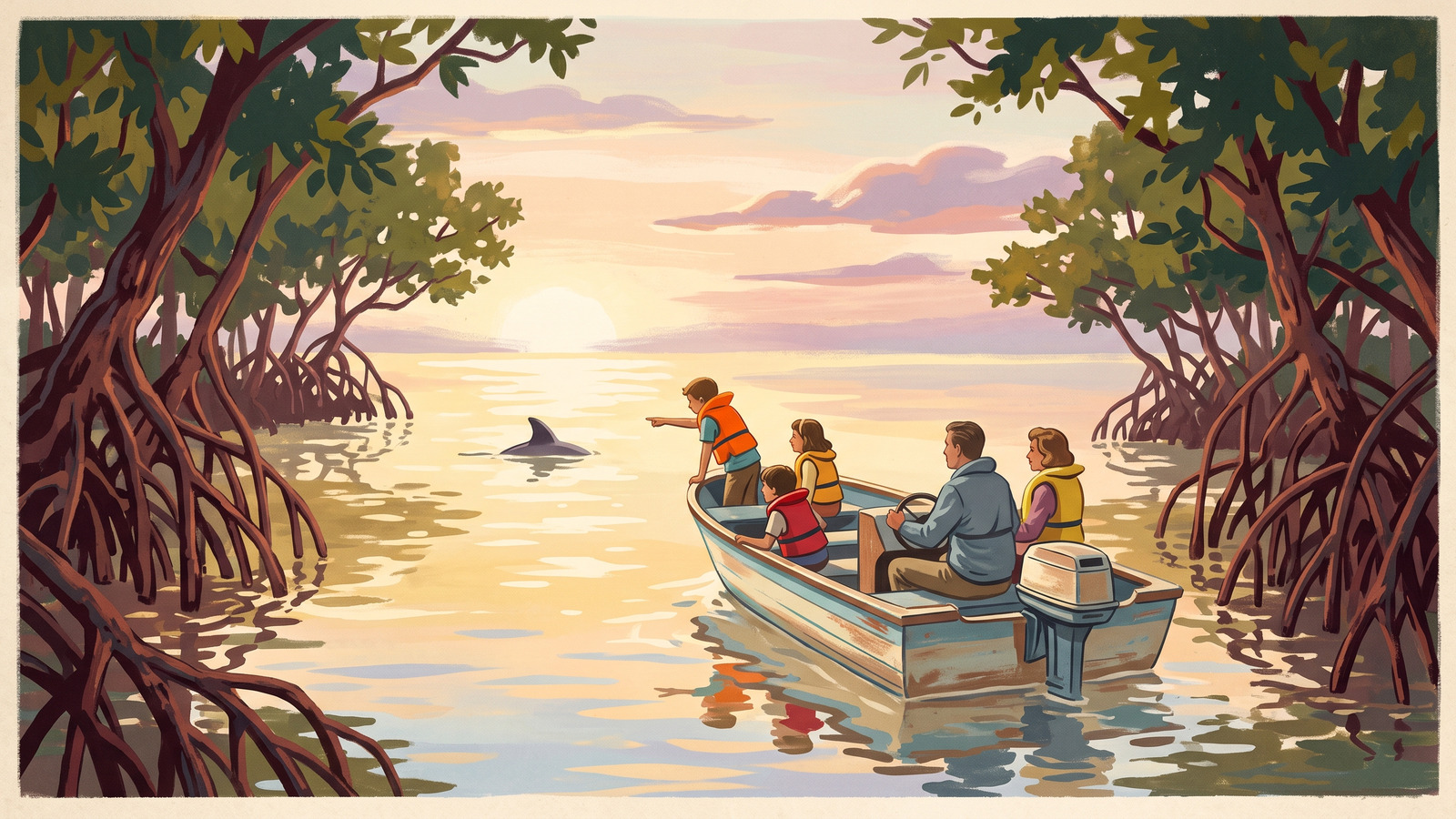
Your Family's First Boat Day on Tampa Bay: Rentals, Routes, and the Rules That Matter
Your family's first boat day on Tampa Bay: rental options and costs, the license rule, a calm first route, and the safety habits that make it easy.
 Explore
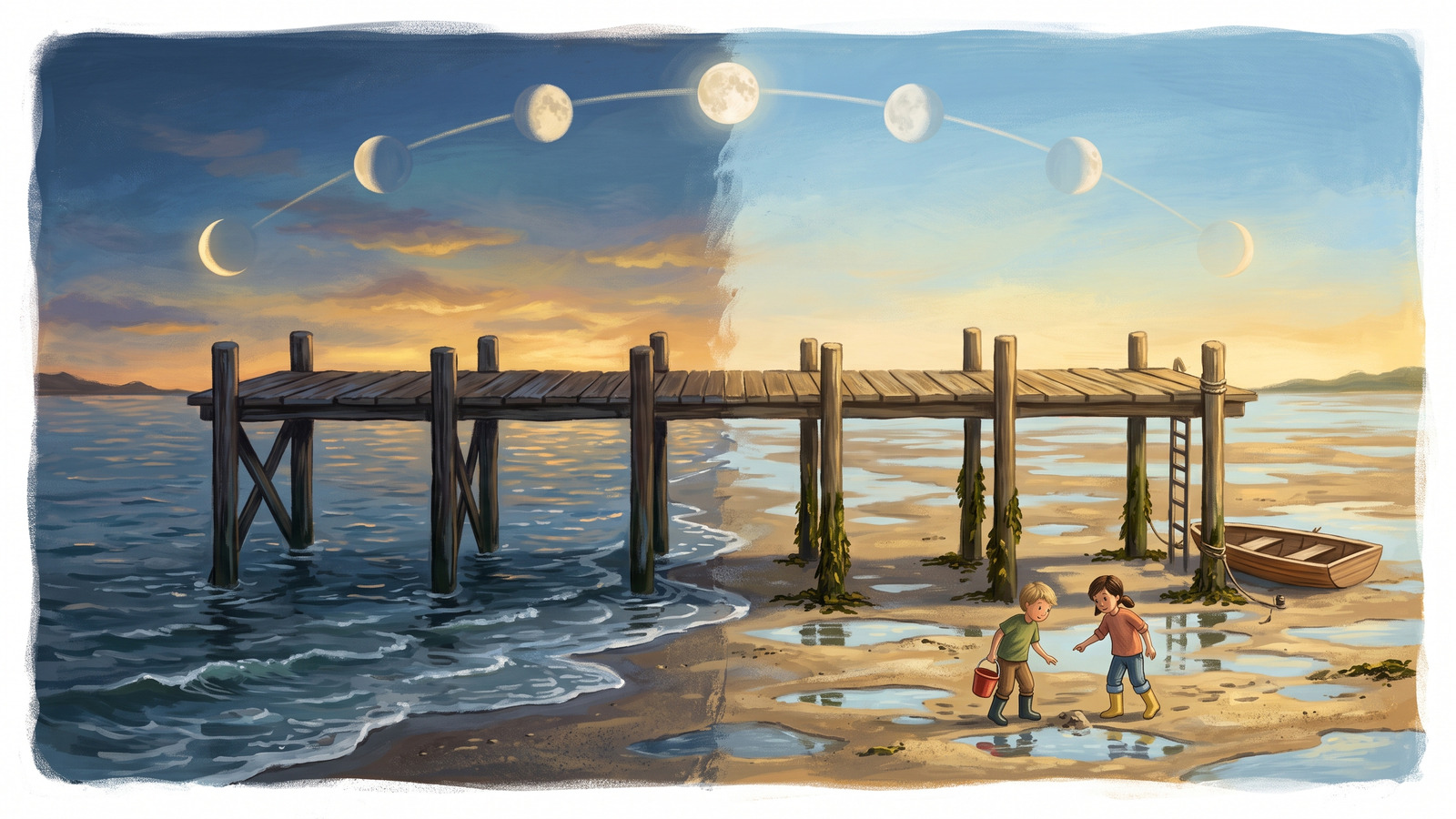
Tides 101 for Families: How to Read a Tide Chart and Plan a Better Beach Day
How to read a tide chart, why Tampa Bay's tides are quirky, and the family cheat sheet matching low tide, high tide, and moon phases to activities.
 Protect
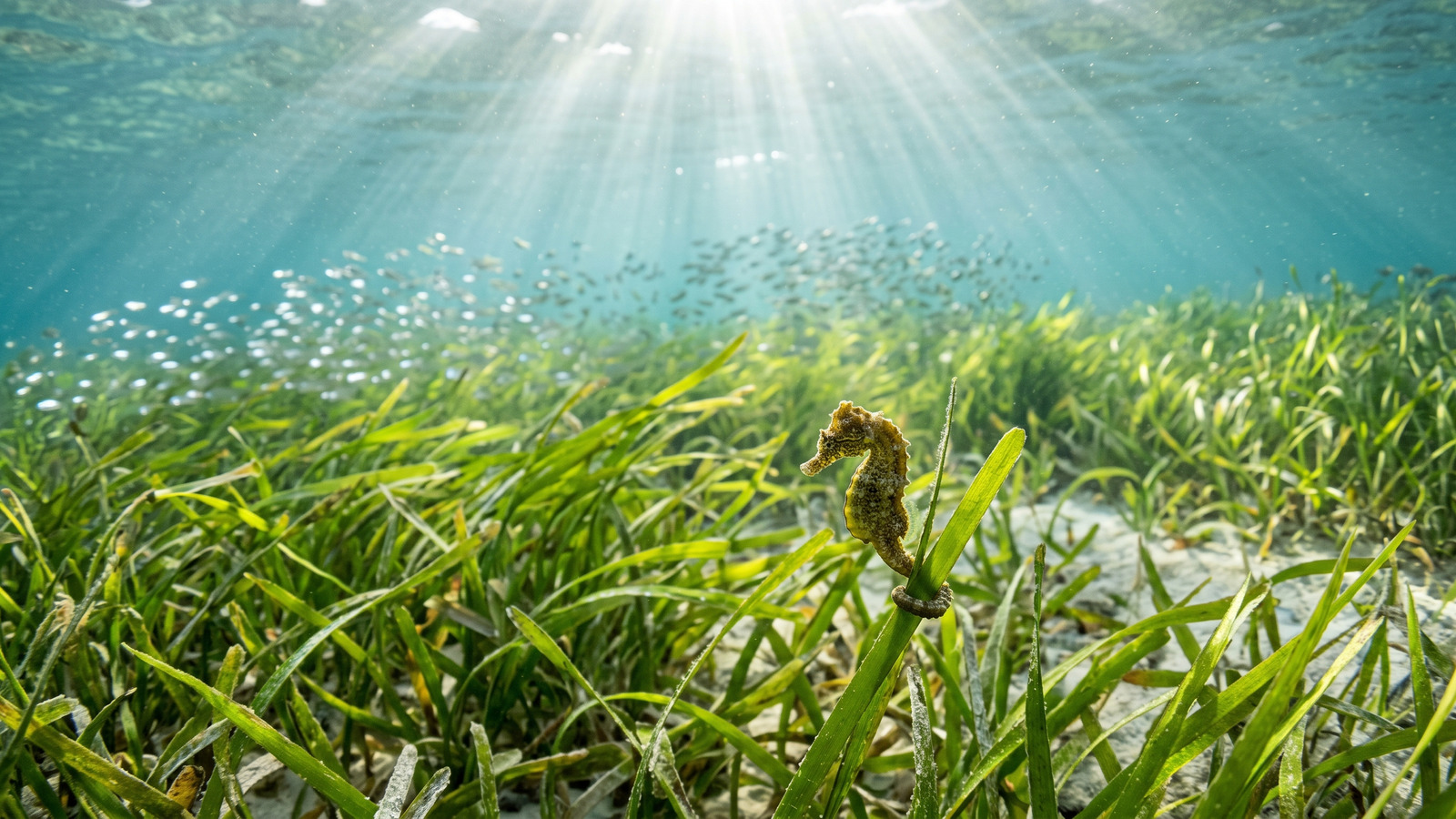
Seagrass, Explained for Kids: The Underwater Meadows Everything Depends On
Seagrass is the underwater meadow feeding Tampa Bay: nursery for most of our fish, manatee salad, and oxygen factory. The kid-level tour.