
Farmers Markets with Kids: Where to Go and How to Make It the Lesson
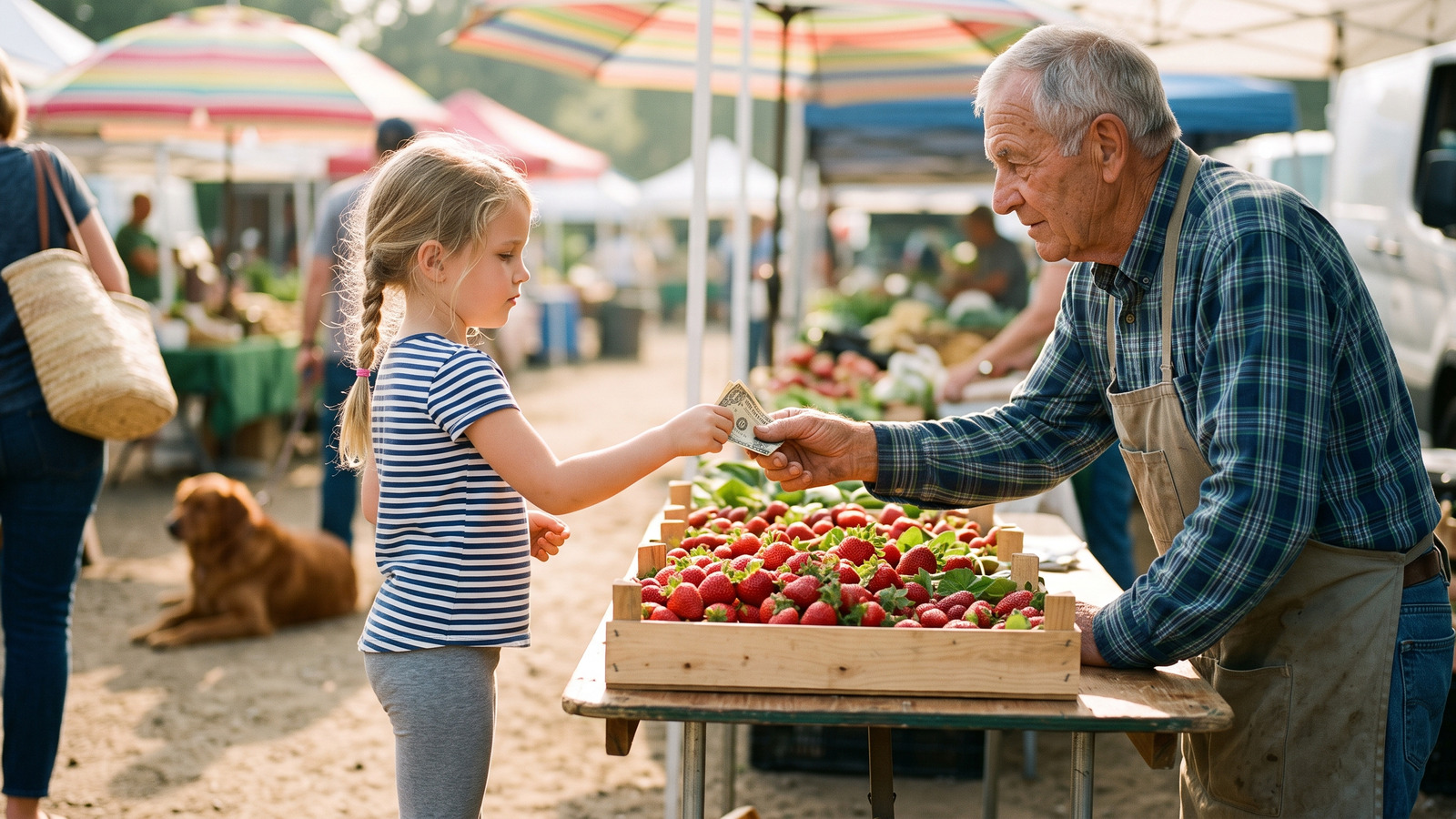
Watch a six-year-old handed five dollars and full purchasing authority at a farmers market, and you can see the executive function assembling in real time: the slow first lap (surveying inventory), the agonized comparisons (the honey stick now, or the strawberries for later?), the negotiation with a grower who has all the patience their teacher ran out of in October, and the final transaction conducted with the gravity of a treaty signing. The farmers market is the region's best classroom wearing a straw hat: math, agriculture, nutrition, economics, and conversation with adults, all before lunch, all for the cost of whatever the five dollars bought. Here's the roster, and the method that turns the stroll into the lesson.
The roster and the rhythm
| The market | The character | The family note |
|---|---|---|
| Saturday Morning Market, St. Pete | The flagship: scale, music, everything | Oct-May peak; go early, trolley-adjacent |
| Ybor City Saturday market | History-district flavor | Pair with the Ybor morning |
| Hyde Park Village markets | Polished, stroller-easy | The gentle starter market |
| Dunedin downtown market | Small-town warmth | Pair with the Honeymoon causeway |
| The neighborhood bench | Weekly, everywhere | The one you can walk to wins |
Florida's market season runs opposite the postcard states, and the kids should learn why as lesson one: the winter growing season means the stalls peak October through May: strawberry winter, the citrus story in fruit form, greens all cool season: while summer runs lean, shaded, and early. The market calendar is the region's agricultural tide chart: reading it is the curriculum.
The jobs that make the lesson
The budget: each child gets a small fixed sum in real cash (five dollars teaches at every age: coins for littles, change-making for middles, comparison math for big kids) and full authority over it: the parent's only rule is no bailouts and no vetoes short of safety. The spending is the syllabus: scarcity, trade-offs, remorse, and the triumphant honey stick are all tuition. The question: every kid asks one grower one real thing (the interview habit, market edition): what's picked this morning, what's almost done for the season, what do you wish people bought more of. Growers answer children with a generosity that shames cable news, and the answers teach seasonality better than any chart. The sample challenge: one new thing tasted per visit, chosen by the kid, no faces required: the market's low-stakes tasting culture cures picky-eater standoffs the dinner table can't. The dinner assignment: the child's produce pick becomes that night's side dish, with the buyer as sous-chef: the seafood-kitchen provenance trick, vegetable division: what they chose and cooked, they eat.
The market as weekly civics
One level up from the jobs, the market quietly teaches what this site's library articles call the commons lesson: here is the local economy with its makers present: the farmer priced against the supermarket, the dock vendor beside the baker, the busker's open case as a first tipping decision, the compost-and-reuse tables as stewardship in apron form. Kids who market weekly learn to see food as coming from people and seasons rather than shelves: and the monetization-literate older kid can run the deeper audit: why does the tomato cost more here, and what is the extra dollar buying? (Freshness, miles, and the farmer's actual wage: the best economics lesson five dollars ever funded.) For homeschool portfolios, a season of market pages: budgets logged, interviews quoted, seasonal availability charted: reads as economics, science, and civics, because it is.
The Little Naturalist activity
Run the season-tracker page: one journal spread, twelve columns for months, and the family logs what's actually on the stalls each visit: strawberries' arrival and exit, the citrus varieties in order, the week the greens surrender to summer, the first fall squash. By spring the page shows Florida's growing season as a wave the child charted personally: and the year-two comparison (early strawberries? late greens?) starts the same phenology conversation the site's naturalist pages run on beaches. Food is nature on a table: the tracker makes the connection permanent.
Questions families ask
How do we handle the kid who blows the whole budget in the first five minutes?
Perfectly: that's the lesson working. The rule is sympathy without rescue ("that honey stick was delicious and now the strawberries are out of reach: rough math, love"), and the next visit's slower first lap is the measurable learning. Executive function is built exactly here, five dollars at a time.
Are markets doable with strollers and toddlers?
The roomier markets (the flagship's waterfront sprawl, Hyde Park's walkways) flow fine early; all markets tighten by mid-morning. The toddler jobs: holding the (unbreakable) purchases, spotting dogs, the sample challenge: keep the smallest employed, and the early-arrival doctrine is the whole game.
What about food safety with samples and kids?
Ordinary rules travel: hands wiped, samples from staffed tables, allergies announced by the child themselves as practice ("does this have nuts?" is a life skill best rehearsed where vendors are kind). Wash the produce at home as always: the market's dirt is honest, but it's still dirt.
Can the market replace the grocery store?
For the produce-and-treats layer in season, close: the winter stalls carry a family's fruit and vegetables at competitive quality. The realistic frame is rhythm, not replacement: market Saturday feeds the week's fresh layer and the family's food education: the store handles the rest without a lesson attached.
Questions families ask
What are the best farmers markets in Tampa Bay for families?
The Saturday Morning Market in downtown St. Pete is the regional flagship (one of the Southeast's biggest, October through May with a smaller summer edition), joined by the Ybor City Saturday market, Hyde Park Village's market days, Dunedin's downtown market, and a deep bench of neighborhood markets. Most run weekend mornings in the cooler months.
What should kids actually do at a farmers market?
Give them jobs, not just a stroll: a small cash budget to manage, one interview question for a grower, the sample-something-new challenge, and the dinner assignment: they pick a vegetable, they help cook it. A market with jobs is a classroom; without them it's a walk past strollers.
When is farmers market season in Florida?
Backwards from up north, like everything here: the big markets peak October through May, riding Florida's winter growing season, with strawberry winter and citrus season landing right in the middle. Summer runs smaller editions and more shade.
Are farmers markets expensive for families?
The visit itself is free entertainment: live music, samples, dogs to meet. The spending is controllable by design: a five-dollar-per-kid budget teaches the lesson and buys the produce, and the market breakfast splurge is optional. Compare it to any ticketed Saturday and it's the cheapest show in town.
Sources
More from the Bae
 Live Well
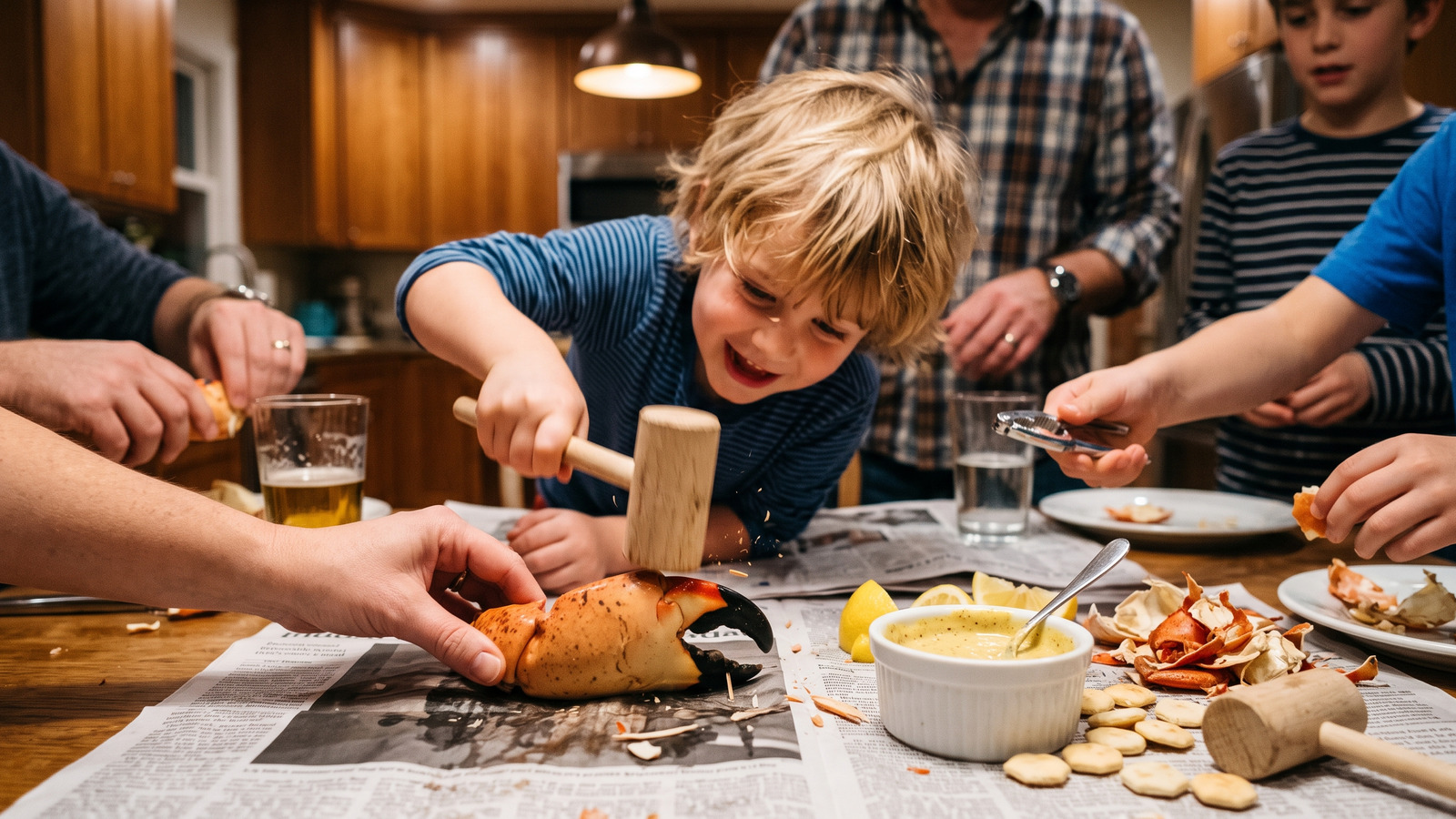
The Gulf Seafood Kitchen: Kid-Approved Fish Dinners from Local Docks
Gulf seafood dinners kids actually eat: the best-choice local fish, the weekly serving math, and the dock-to-table lesson hiding in dinner.
 Learn
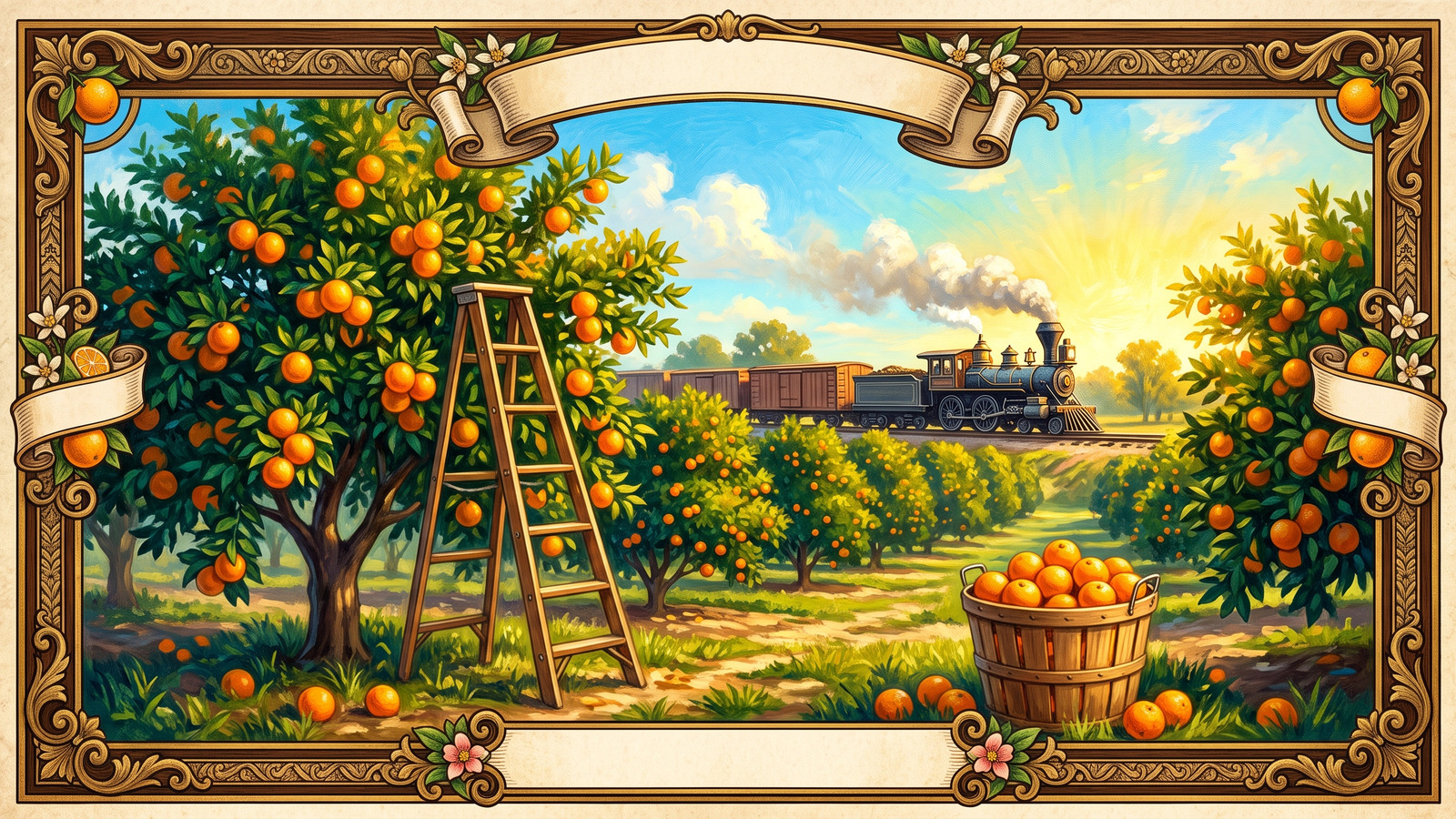
LearnThe Orange Groves That Built Florida: A Sweet History Kids Can Taste
Oranges built Florida: Spanish seeds, Odet Philippe's grapefruit, the Great Freeze, and a 95 percent decline kids can still taste the last chapters of.
 Learn
LearnThe Library Card Curriculum: Free Classes, Passes, and Programs Across Tampa Bay
The library card as curriculum: free museum passes, storytimes, maker labs, summer reading, and a Tampa Bay semester built for exactly zero dollars.