
The Gulf Seafood Kitchen: Kid-Approved Fish Dinners from Local Docks
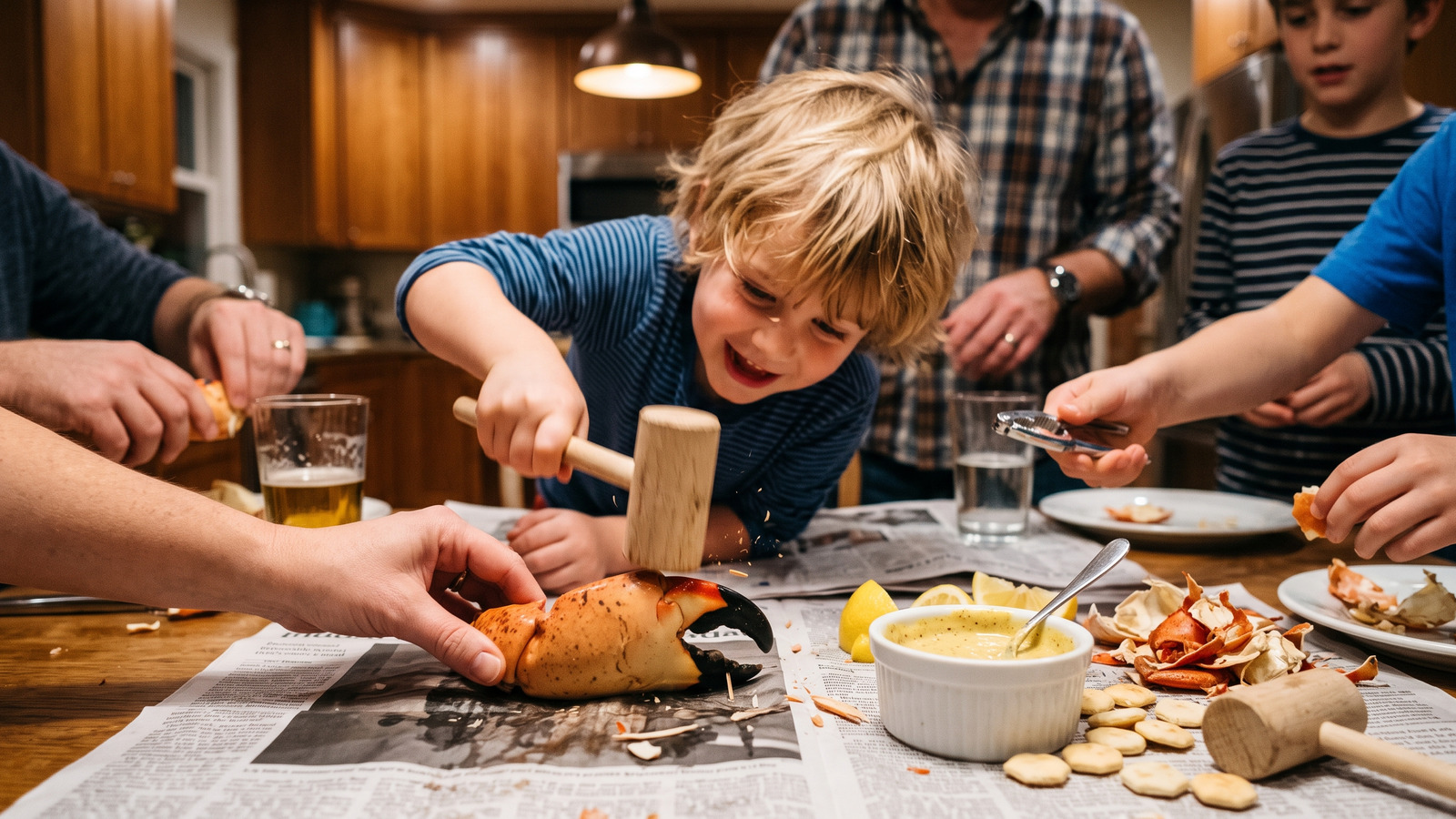
There's a version of dinner where the fish arrived frozen from an ocean nobody can name, and there's the version this coast offers instead: the pier your kids fish from sells the day's catch a hundred feet from where it swam, the stone crab season opens like a holiday, and a child can meet the boat, name the fish, and eat it the same night. The gulf seafood kitchen is the region's edible curriculum: nutrition the pediatric world applauds, a sustainability story better told at a dock than a documentary, and: handled right: the end of the fish-fight at the table. Here's the family playbook: what to buy, how much, and how to make dinner the lesson.
The local lineup, sorted
| The catch | The federal tier | The family move |
|---|---|---|
| Shrimp | Best Choices | The gateway: grilled, boiled, tacos |
| Blue crab + stone crab | Best Choices | The event dinners: seasonal, hands-on |
| Mullet | Best Choices | The heritage fish: smoked, and cheap |
| Sardines | Best Choices | The pantry backup with big nutrition |
| Grouper | Good Choices | The sandwich star, weekly at most |
| Snapper | Good Choices | The whole-fish showpiece, weekly at most |
| Mahi, tripletail | Good Choices | The variety rotation |
| King mackerel | Avoid for kids | The smoker's fish: adults' call, not kids' plates |
The sorting logic deserves one plain sentence for the kids' benefit: bigger, longer-lived, fish-eating fish accumulate more mercury (the food-web lesson, turned dietary), which is why the small-and-fast tier eats weekly while the apex names wait for adulthood. And the pro-fish framing matters: the federal advice exists to get MORE fish into children, not less: omega-3s, protein, iron, the brain-building lineup: chosen from the tiers that childhood metabolisms deserve.
Dock to table: where dinner gets its story
The region's buying infrastructure is a field trip in an apron: the working docks and fish houses (the Tarpon Springs markets, the smokehouse institutions, the pier-adjacent counters) sell provenance with the fillet: kids who ask "what boat, what water" get answers, and the one-question interview turns the counter into curriculum. The farmers markets run seafood vendors alongside the produce, stone crab season converts October into an edible holiday, and the ultimate version: the pier-caught dinner from the family's own line: closes the loop entirely: a child who caught, identified (legal size checked, the regulations respected), and ate a fish holds the whole food system in one memory. Sustainability rides along without a lecture: gulf fisheries run on the seasons, sizes, and limits the family already navigates, and the stone crab's regenerating claw remains the single best sustainable-harvest story ever served with mustard sauce.
The skeptic protocol
For the fish-refuser, the kitchen craft is sequencing, not pressure: start crisp and mild (fried or blackened white fish, shrimp, crab: texture and salt are the on-ramp; "fishy" fish waits), shrink the format (tacos, sliders, and skewers outperform the fillet plank with every child ever tested), same-plate rule (fish arrives as ordinary family food on everyone's plate: no special orders, no commentary, seconds available), and the story served first ("this is the grouper from the boat we saw": provenance measurably improves acceptance, which every dock-town parent already knew). Keep the two-serving rhythm visible on the meal plan so fish is a pattern, not an ambush: familiarity is the seasoning that finally works, usually around exposure eight, long after most families quit.
The Little Naturalist activity
Run the fish detective dinner: the child gets the market fish whole or the counter conversation, and files the case in the journal: species identified (the pier ID skills transfer), federal tier looked up together (best, good, or wait-for-grown-up), the boat-and-water question asked, and the verdict recorded after dinner: stars out of five, notes for the chef. A season of case files becomes the family's own regional seafood guide: and the child who wrote it orders off any menu on this coast with the quiet authority of somebody who knows exactly what a mullet is and isn't afraid to say so.
Questions families ask
Is local always better than the freezer aisle?
The freezer is honorable (flash-frozen wild shrimp and fish keep the nutrition and the budget), and the federal tiers apply identically: the dock's advantage is the story and the freshness, not a different chemistry. The family rule that works: local for the weekly star, freezer for the weeknight rhythm, tiers always.
What about sushi and smoked fish for kids?
Cooked-through wins for young children (pediatric guidance keeps raw fish for later years: ask your pediatrician where they draw the age line), and the smokehouse tradition is fine within the tiers: smoked mullet is a Best Choices heritage food; the smoked king mackerel spread stays an adults' delicacy per the avoid list.
Our kid is allergic. Does the coast still work?
Fully: allergies are common, pediatrician-managed, and no beach town worth its salt blinks at the question: the market roster and every kitchen in this cluster run rich without seafood. The dock field trips still teach the whole system: eating it was only ever one of the lessons.
Where do we even start this week?
Shrimp tacos, Best Choices tier, market-bought with the kids at the counter asking the boat question: one dinner, whole system in miniature. The two-a-week rhythm builds from there, and by stone crab season you'll have a mallet ceremony to plan.
Questions families ask
How much fish should kids eat per week?
The FDA and EPA advise two servings a week from their Best Choices list for children, with servings scaled by age: about 1 ounce at ages 1-3, 2 ounces at 4-7, 3 ounces at 8-10, and 4 ounces at 11. Fish delivers omega-3s and nutrients growing brains use: the guidance is pro-fish, chosen wisely.
Which gulf fish are best for kids?
From the federal Best Choices tier: shrimp, crab (stone crab counts), mullet, and sardines lead the local lineup. Grouper and snapper, the gulf's famous menu stars, sit on the Good Choices list: fine as the once-a-week star rather than the daily default.
Which fish should children avoid?
The high-mercury seven: king mackerel, shark, swordfish, marlin, orange roughy, bigeye tuna, and Gulf of Mexico tilefish. Regionally, king mackerel is the one that actually shows up on local lines and smokers, so it's the name for families to know.
How do you get kids to eat fish?
Start mild and crisp (fried or blackened white fish, shrimp, crab), involve them at the dock or market so dinner has a story, and run the same-plate rule: fish appears as family food, not a special demand. The kid who met the boat eats the fish: provenance is the best seasoning.
Sources
More from the Bae
 Explore
Fishing with Kids 101: Licenses, Piers, and the First-Catch Checklist
Fishing with kids around Tampa Bay: the free shoreline license, the under-16 exemption, licensed piers where nobody needs one, and the first-catch plan.
 Explore
Fall on the Coast: A Family Bucket List for September Through November
A Tampa Bay fall bucket list for families: pumpkin festivals, stone crab season, migration mornings, and the cool-down the coast quietly delivers.
 Live Well
Farmers Markets with Kids: Where to Go and How to Make It the Lesson
Tampa Bay farmers markets with kids: the market roster, the dollar-budget game, and how a Saturday market becomes the week's best lesson.