
Raising Water-Confident Kids: Swim Lessons, Timing, and What the Data Says
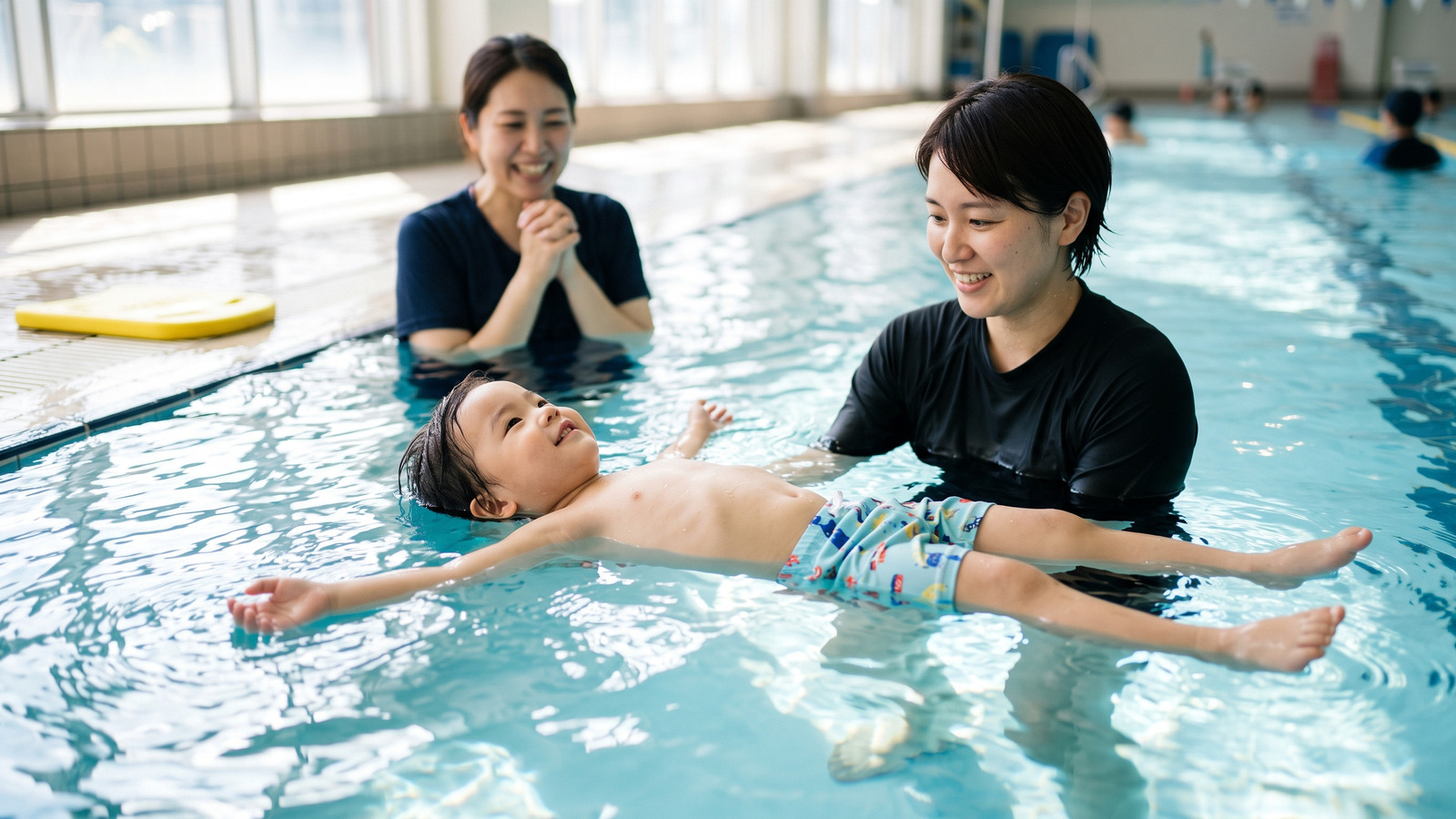
Here is the sentence this article was built to deliver, and it deserves its own paragraph: in the age group where drowning takes the most children, most of the children who drowned were never supposed to be in the water. Not mid-swim, not at a lesson: a door unlatched, a quiet two minutes, a backyard pool. That single statistic: nearly seven in ten under-5 drownings happen to kids who weren't expected to be swimming: reorganizes everything about how a Florida family thinks. It means water safety is not chiefly a swimming skill: it's a household system. And it means the goal this coast-raised site has taught in every water article: the calm, competent, water-confident kid: is built on layers, installed by parents, starting now. Here's the data, the timeline, and the system.
The data, without flinching and without panic
The numbers, plainly: drowning is a leading killer of young children nationally, ages 1 to 4 carry the highest risk, and Florida's endless water puts this region at the hard end of every table: which is exactly why this site treats water competence as the local diploma. Two findings shape everything: the not-expected-in-water statistic (about 69 percent of under-5 drownings) makes barriers and supervision the heavy-lift layers, and the silence finding (real drowning is quiet and quick: no movie splashing, often under a minute) is why the water watcher exists: a named adult, actually watching, rotating before attention frays. The hopeful half of the data: formal lessons are associated with meaningful risk reduction in the youngest group, supervision structures work, fencing works, and the whole stack together works best: this is one of childhood's most preventable dangers, which is the exact reason to run the system rather than ride luck. Held calmly (the hurricane posture: competence, not dread), the data isn't frightening: it's a to-do list.
The timeline, birth to boat captain
| The age | The layer being built |
|---|---|
| 0-1 | Bath habits, parent CPR class, pool barriers audited before crawling |
| 1-3 | First lessons (readiness-tuned), touch supervision law, gate discipline |
| 3-5 | Skills consolidate: float-first, jacket culture on boats and docks |
| 5-8 | Real strokes, flag literacy, pool rules recited by the kid |
| 8-12 | Rip science, surf judgment, junior lifeguard pipeline |
| Teens | Rescue-adjacent skills, boater education, lifeguarding jobs |
Lesson-shopping notes, briefly: look for small groups, instructors who welcome parent questions, float-and-recovery emphasized before stroke polish for littles, and a program's comfort with a nervous kid (the one-season rule applies: readiness varies, restarts are normal, shame is disqualifying). Programs across both counties run scholarship seats: cost should never be the reason a Florida kid can't swim, and asking is normal.
Confidence is the second curriculum
Strokes without judgment produce exactly the teenager the lifeguards dread, so the family teaches both tracks at once: the child who swims beautifully ALSO reads the flags before the towel drops, knows the rip's exit cold, treats the jacket law as physics rather than negotiation, shuffles the warm-month shallows, and: the mark of real water culture: states their own limits out loud without embarrassment ("I'm done, I'm cold, that surf's past my level"). That last skill is taught by modeling: parents who narrate their own judgment calls ("flags are single red and I'm not loving it: sandbar day instead") raise kids who make them. The water clubs and junior lifeguard programs formalize the upper rungs, and the quiet payoff arrives in the teen years: the water-confident kid is the one at the party who notices the silent struggler: layers of protection, walking around in a swimsuit.
The Little Naturalist activity
Have the kids build the family water-safety audit: a clipboard tour, conducted by the children, of every water risk in the family's actual life: the backyard or community pool (gate latches tested, fence walked), the grandparents' place (the classic gap: audit it kindly), the boat's jacket inventory (sizes checked against this year's kids), the beach bag (whistle, phone, who's the watcher today?). Findings go in the journal; fixes get assigned like hurricane jobs. Kids who audited the latches understand the 69-percent statistic in their hands: and a family that lets children inspect its safety systems has told them, better than any lecture, that this is everyone's job.
Questions families ask
Are baby swim classes worth it before age 1?
Parent-and-me water play before 1 builds comfort and family habit (lovely, low-stakes), while formal anti-drowning skill instruction starts being evidence-supported from age 1 per the AAP: readiness varies kid to kid. Ask your pediatrician where your child sits: that conversation is the guidance's actual design.
ISR-style survival lessons or traditional lessons?
Both philosophies produce float-capable littles, and the honest answer is that program quality and your child's temperament matter more than the brand of method: visit, watch a class, ask how they handle tears. Whatever you pick, the layers stay stacked: no lesson graduate of any method swims unsupervised, ever.
We don't have a pool. Which layers are ours?
Most of them: the supervision culture, jackets, lessons, CPR, and the audit of everywhere your kids DO meet water: grandparents' pools, neighbors', the beach, retention ponds (the unglamorous local hazard worth naming). The 69-percent statistic is precisely about other people's water: your layers travel.
When can a kid swim in the gulf without an adult in the water?
Later than the pool answer, and it's a judgment threshold rather than a birthday: strong-stroke competence plus demonstrated rip fluency plus flags-green conditions plus an adult eyes-on from the sand: many families land in the tween years for calm days. Surf days move the line up, always: the gulf grades harder than any pool, and the water-confident kid is the one who says so first.
Questions families ask
At what age should kids start swim lessons?
The American Academy of Pediatrics says lessons can begin at age 1, timed to the individual child's readiness and comfort, and that most children are developmentally ready by 4. In a state ringed by water, the pediatric consensus is early: lessons measurably reduce drowning risk in young children.
What does the drowning data actually say?
Drowning is a leading cause of death for young children, hitting ages 1 to 4 hardest, and the detail every parent should know: in roughly 69 percent of under-5 drownings, the child was not expected to be in the water at all. That's why barriers and supervision matter as much as lessons.
What are the layers of protection?
The pediatric framework: barriers (pool fencing, locked gates), supervision (touch-distance for littles, a designated water watcher rotating every 15-20 minutes), life jackets where they belong, swim lessons, and CPR-trained adults. No single layer is trusted alone: layers fail one at a time; stacks don't.
What does water-confident mean beyond swimming?
The Florida diploma this site has taught all year: a kid who floats calm, reads flags and rips, wears the jacket on boats without debate, respects the shuffle, and knows their limits in surf, springs, and pools. Confidence is competence plus judgment: the lessons buy the first, the family teaches the second.
Sources
More from the Bae
 Explore
Rip Currents: The Two-Minute Lesson That Makes Your Family Beach-Safe
The two-minute rip current lesson: how to spot the gap between waves, why you swim parallel instead of fighting, and the flip, float, follow rule.
 Explore
Florida Life Jacket Laws for Kids, in Plain English (and the Fit Test That Actually Matters)
Florida's life jacket laws in plain English: the under-6 wear rule, one per person, throwables on 16-foot boats, and the two-second fit test.
 Learn
Learn4-H, Scouts, and Coastal Clubs: Finding Your Child's People in Tampa Bay
4-H, Scouts, and Tampa Bay's coastal clubs compared: ages, flavors, costs, and how to find the group where your child's people already meet.