
The Zebra Longwing: Meet the State Butterfly and Plant a Garden It Will Visit
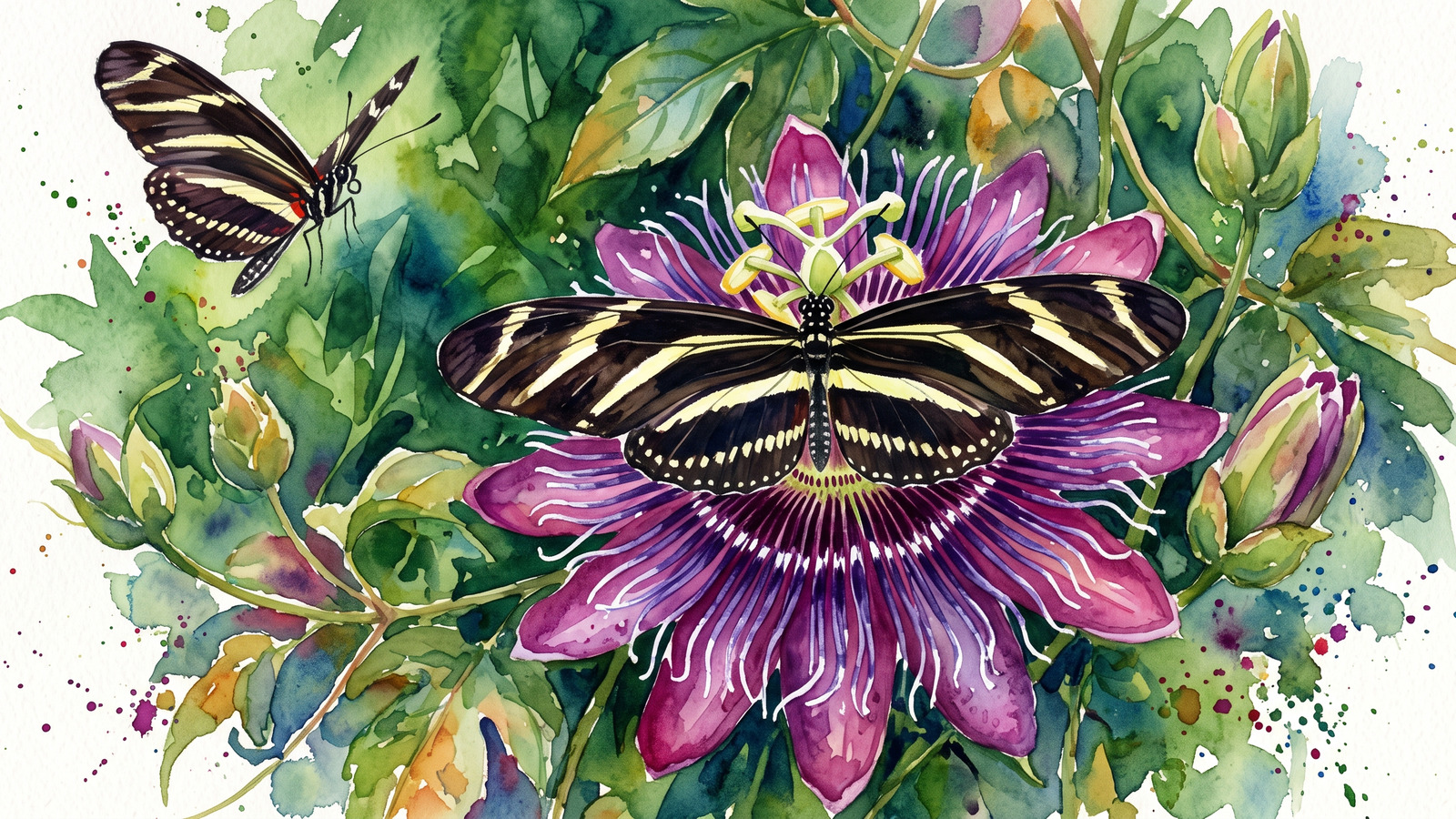
Most butterflies live like fireworks: two dazzling weeks and done. Florida's state butterfly read that contract and declined to sign. The zebra longwing floats through our yards for months on end, sleeps in the same bed every night with its extended family, and manages all of it by doing something almost no other butterfly on Earth can do: eating pollen. Your kids can meet one this week, and with one vine planted, they can host a dynasty.
The pollen trick that changes everything
A butterfly's usual problem is fuel. Nectar is sugar water: fine for flying, useless for rebuilding a body, so most butterflies simply burn out. The zebra longwing found the loophole. It gathers pollen on its proboscis, breaks it down externally, and drinks the result, giving it protein no ordinary butterfly gets. The payoff is a lifespan measured in months, sometimes up to six, and the ability to keep producing eggs the whole time.
That one adaptation reshapes its entire personality. With a long life worth protecting, zebra longwings fly slowly and calmly (their passionvine diet makes them taste terrible, so nothing much bothers them), learn regular routes through a neighborhood the way you learn your grocery aisles, and return to the same roost each night. Scientists call this trap-lining. Kids can just call it the butterfly with a schedule.
The family bed
Come dusk, zebra longwings gather in communal roosts: a dozen or more hanging wing-to-wing from a twig or vine, often returning to the exact same spot for weeks. There's even a pecking order, with older butterflies claiming the safest inner positions. If your kids find a roost (check shaded, sheltered branches near a passionvine patch at dusk), they've found something most adults never see, and it will still be there tomorrow night. Watch, don't touch: a roost is a bedroom.
Plant the garden, get the show
Butterfly gardening has one rule that beats all others: host plant first. Nectar flowers feed adults, but only the host plant feeds caterpillars, and for zebra longwings that means passionvine.
| The planting plan | What and why |
|---|---|
| The host (required) | Passionvine: corkystem or purple passionflower, native picks that caterpillars strip and vines regrow |
| The nectar bar | Firebush, Spanish needles, porterweed, pentas: blooms most of the year |
| The setting | Part shade; longwings favor dappled edges over blazing sun |
| The hard part | Let caterpillars eat the vine; chewed leaves mean it's working |
| What to skip | Pesticides anywhere near the garden, including mosquito yard sprays |
One honest warning for tidy gardeners: a successful host plant looks eaten, because it is. The family reframe that works: the vine is the pantry, not the decoration. Corkystem passionvine grows back fast, and the spiky white-and-black caterpillars chewing it are next month's state butterflies.
Watch the whole cycle
With a vine established, kids can track every act: tiny yellow eggs laid on new growth, caterpillars molting through the weeks, the chrysalis that looks like a curled dead leaf until the day it doesn't, and the fresh butterfly pumping its long wings dry. A hatch usually happens in morning light. It is the best free theater in Florida, and it plays in a pot on a patio just as well as in a yard. Log the dates and your family has real phenology data, the symbols checklist gains a checked box, and someone in the house will inevitably name a caterpillar Gerald.
Where to see them around Tampa Bay
No garden yet? Zebra longwings patrol the shaded edges at Boyd Hill Nature Preserve, the butterfly gardens at local parks and the TECO center, and practically any hammock trail with passionvine in the understory. Look for the flight style first: where other butterflies bounce, the longwing glides, slow and level, like it owns the place. Given its lifespan, it nearly does.
The Little Naturalist activity
Run a roost stakeout. Three evenings in a row, have kids watch a likely sheltered branch starting half an hour before dark, noting arrival times and counting sleepers. If they find an active roost, map it, name it, and check who's home each night for a week. They'll be replicating actual published research on longwing roosting behavior, in pajamas, ten steps from the back door.
Questions families ask
Are the caterpillars safe to touch?
The spikes look fierce and are harmless to hands, though the caterpillar is toxic to eat, which is the point of the costume. Best practice is look-only anyway: caterpillar skin is delicate, and Gerald has work to do.
Will passionvine take over my yard?
Some species spread enthusiastically. Corkystem passionvine is the mannered native choice, and any passionvine in a large pot stays politely contained. Ask a native nursery, not a big box store, and you'll get the right one the first time.
Why did Florida pick the zebra longwing?
It was declared the state butterfly in 1996: a year-round resident, found in every region, unmistakable at a glance, and a resident of the state's shady hammocks rather than anyone else's meadows. As state symbols go, it's one of the least controversial picks on the books.
What eats zebra longwings, if they taste so bad?
Very little, which is the luxury their passionvine diet buys. Spiders and the occasional naive bird try. The bigger threats are the human ones: pesticides and lost habitat, both of which a single family garden quietly pushes back against.
Questions families ask
What is Florida's state butterfly?
The zebra longwing, official since 1996: a black butterfly with pale yellow stripes, long narrow wings, and a slow, floating flight. It lives statewide, from hardwood hammocks to backyard gardens, and it's active nearly all year in our climate.
Why do zebra longwings live so much longer than other butterflies?
They eat pollen, not just nectar, which almost no other butterfly can do. The extra protein lets adults live for several months instead of the few weeks most butterflies get, and it powers them to keep laying eggs the whole time.
What plant attracts zebra longwings?
Passionvine (passiflora) is the one that matters: it's the host plant their caterpillars must eat. Add nectar and pollen flowers like firebush and Spanish needles nearby, give the garden some shade, and zebra longwings will find it.
Do zebra longwings really sleep in groups?
Yes. Each evening they gather in communal roosts of a dozen or more, hanging together on a branch or vine, and they return to the same roost night after night. Oldest butterflies get the best spots, which children find deeply relatable.
Sources
More from the Bae
 LearnCornerstone
Florida's State Symbols, Explained for Kids: Every Animal, Flower, and Song, and the Stories Behind Them
Every Florida state symbol explained for kids: the panther, manatee, mockingbird, zebra longwing, and more, with the stories and the flamingo debate.
 Learn
LearnWhy Is Our State Bird a Mockingbird? The Flamingo Question, Answered for Curious Kids
Florida's state bird is still the mockingbird, but a 2026 bill would crown the flamingo and name the scrub-jay songbird. The debate, for kids.
 Learn
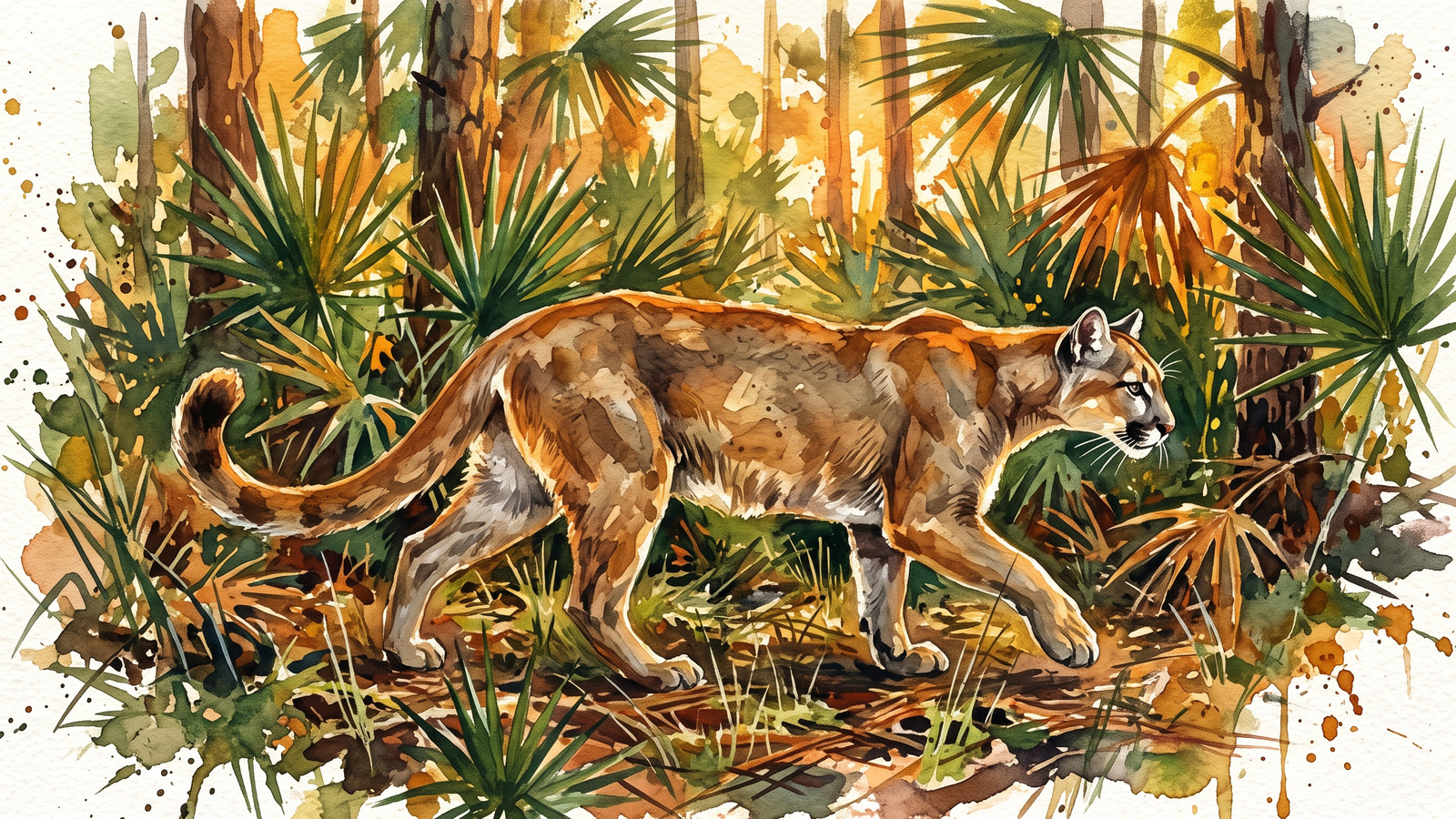
LearnThe Florida Panther: How Many Are Left, Where They Live, and How Kids Can Help
How many Florida panthers are left? Between 120 and 230. Where the state animal lives, why cars are its biggest danger, and how kids can help.